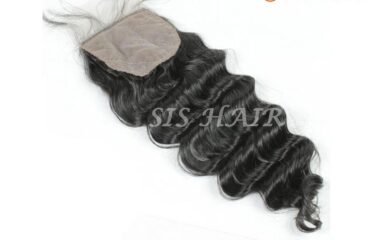
Are Hair Extensions and Weave the Same Thing

Hair extensions and weave are popular methods of enhancing one’s hair length, volume, or texture. While the two terms are often used interchangeably, they are not exactly the same thing. Both are excellent options for achieving desired hairstyles and can be tailored to suit an individual’s needs, but understanding their distinctions is essential in making the right choice. This article delves into the differences, similarities, and uses of hair extensions and weave to provide a comprehensive understanding of these hair-enhancement techniques.
1. What Are Hair Extensions?
Hair extensions are versatile hair additions designed to add length, volume, or color to natural hair. They come in various forms, including clip-ins, tape-ins, keratin bonds, and sew-ins. Hair extensions can be made from human hair or synthetic fibers, with human hair extensions being the most preferred for their natural appearance and durability. Leading brands like SISHAIR offer high-quality, natural-looking hair extensions that blend seamlessly with your natural hair.
Hair extensions are typically applied strand-by-strand or in small sections, giving wearers the freedom to achieve a variety of styles without long-term commitment. For instance, clip-in extensions can be removed and reinstalled easily, while tape-ins and keratin bonds provide a semi-permanent option for those seeking a longer-lasting solution.
2. What Is a Weave?
A weave, on the other hand, is a specific method of attaching hair extensions. It involves braiding the natural hair close to the scalp to create a base, then sewing the extensions onto the braids with a needle and thread. Weaves are commonly used to create fuller, longer hairstyles and are particularly popular in the African-American community due to their ability to protect natural hair from environmental damage and over-styling.
Weaves typically use bundles of hair that are sewn in as tracks, which can be layered for added volume. Like extensions, they can be made from human or synthetic hair, with brands like SISHAIR offering high-quality options for a natural finish. Weaves are a more permanent solution compared to clip-ins and tape-ins, often lasting several weeks with proper care.
3. Key Differences Between Hair Extensions and Weave
While hair extensions and weave share similarities, their distinctions lie in application methods, versatility, and maintenance. Below is a table summarizing the key differences:
| Feature | Hair Extensions | Weave |
|---|---|---|
| Application | Clip-ins, tape-ins, keratin bonds, etc. | Sewn into braided natural hair |
| Attachment Method | Strands or sections attached to hair | Bundles sewn onto cornrows |
| Versatility | Highly versatile; easy to switch styles | Limited to sewn-in style until removal |
| Maintenance | Regular at-home care; easy to remove | Requires professional upkeep |
| Longevity | Temporary to semi-permanent | Semi-permanent (4-8 weeks) |
| Hair Type | Individual strands, wefts, or clips | Bundles of hair sewn in as tracks |
4. Similarities Between Hair Extensions and Weave
Despite their differences, hair extensions and weave also share several similarities. Both methods are highly effective for adding length, volume, and thickness to the hair. They are available in a wide array of colors, textures, and lengths, allowing users to customize their look. Additionally, both types of hair enhancements can be made from either synthetic fibers or 100% human hair.
When sourced from reputable brands like SISHAIR, both hair extensions and weave offer a natural look and feel. Human hair options, in particular, can be styled using heat tools and colored to match your preferences, although professional assistance is recommended to maintain quality and integrity.
5. When to Choose Hair Extensions
Hair extensions are ideal for individuals seeking flexibility and ease of use. If you want to experiment with longer or fuller hair for a special event, clip-in extensions are a quick and non-committal option. Tape-ins or keratin bond extensions, on the other hand, are better for those seeking longer-lasting results without the permanence of a weave.
Extensions are also a great choice if you don’t want to commit to braiding your natural hair. They can be applied in minutes (in the case of clip-ins) and removed just as easily, making them suitable for people who like to switch their hairstyles frequently.
6. When to Choose a Weave
A weave is best suited for individuals looking for a protective hairstyle or those who desire a semi-permanent change. Since the natural hair is braided underneath, it is shielded from heat styling and harsh environmental factors, making weaves an excellent option for hair growth and preservation.
Weaves are also a good choice for those who want a fuller, more voluminous look that doesn’t require daily reapplication. However, it is essential to have the weave installed and maintained by a professional to ensure the health of your natural hair.
7. Final Thoughts on Hair Extensions and Weave
While hair extensions and weave serve a similar purpose, they differ significantly in their application methods, versatility, and maintenance requirements. Hair extensions offer unparalleled flexibility and are perfect for temporary or semi-permanent use. On the other hand, a weave provides a more secure and protective solution, ideal for long-term wear.
Whether you choose hair extensions or a weave, investing in high-quality hair from trusted brands like SISHAIR ensures a natural and long-lasting result. Ultimately, the decision depends on your hair goals, lifestyle, and personal preferences, so make sure to consult with a professional stylist to determine what works best for you.