Are Hair Extensions Safe

Hair extensions have become a popular solution for individuals looking to add length, volume, or even color to their natural hair without committing to permanent changes. While they can provide stunning transformations, a common concern among potential users is their safety. Are hair extensions safe for everyone, or do they pose risks? Let’s explore various aspects of hair extensions to understand their safety, best practices, and what you should consider before opting for them.
1. Types of Hair Extensions and Their Safety
Understanding the type of hair extensions is crucial in evaluating their safety. Hair extensions generally fall into different categories based on their application method and materials used. Here’s an overview:
| Type | Description | Safety Considerations |
|---|---|---|
| Clip-in Extensions | Temporary extensions attached with small clips. | Safe if used occasionally; frequent use may cause tension and breakage at the roots. |
| Tape-in Extensions | Pre-taped wefts applied close to the roots with adhesive tape. | Safe with professional application; improper placement can result in damage. |
| Sew-in (Weave) | Hair extensions sewn into braided natural hair. | Can be heavy on the scalp; tight braiding may lead to traction alopecia (hair loss from tension). |
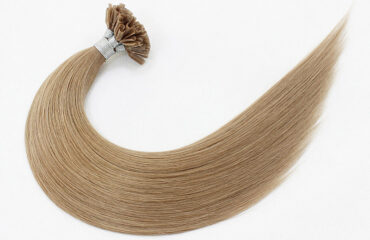
| Fusion/Bonded | Extensions attached strand-by-strand using keratin glue or other adhesives. | Long-lasting but may involve heat or chemicals, which could damage natural hair if not done correctly. |
| Halo Extensions | Temporary extensions worn as a single weft that sits on the crown of the head. | One of the safest options; no need for adhesives, clips, or heat during installation. |
Each type of extension has its pros and cons, and their safety largely depends on proper installation, maintenance, and removal. Consulting a hair professional and opting for high-quality brands like SISHAIR can significantly minimize risks.
2. Scalp Health and Hair Extensions
Hair extensions exert varying degrees of tension on the scalp and hair follicles. When not applied or cared for properly, they can affect scalp health. Issues such as itchiness, irritation, and even infections can occur if hygiene practices are neglected. Additionally, heavy extensions or overly tight applications can strain the scalp, leading to discomfort or headaches.
One key aspect to consider is the material of the extensions. Synthetic hair extensions are lighter but may cause allergies in some individuals. On the other hand, human hair extensions, like those offered by SISHAIR, are generally more scalp-friendly due to their natural composition.
To maintain scalp health, ensure the following:
- Avoid overly tight installations.
- Keep the scalp clean and moisturized.
- Remove extensions as recommended by a professional to prevent prolonged stress on your natural hair.
3. Impact on Natural Hair
The safety of hair extensions doesn’t just concern the scalp; your natural hair’s health is also at stake. Improper application, poor-quality extensions, or lack of maintenance can lead to the following issues:
- Breakage: Extensions can tug at the roots, causing breakage over time.
- Thinning Hair: Prolonged use of heavy extensions may lead to thinning or even bald patches.
- Dryness: Some adhesives or chemicals used in extensions can strip natural hair of its moisture, leaving it dry and brittle.
To reduce the risk of damage to natural hair, opt for lightweight and high-quality extensions, preferably made of 100% human hair like SISHAIR extensions. Regularly deep-condition and treat your natural hair to maintain its strength and elasticity.
4. Professional Application vs. DIY Installation
One of the biggest factors determining the safety of hair extensions is the method of application. While it may be tempting to install extensions yourself at home, professional installation is often the safer choice. Here’s why:
| Factor | Professional Application | DIY Installation |
|---|---|---|
| Skill Level | Hairdressers are trained to apply extensions safely. | Mistakes may lead to uneven weight distribution or damage. |
| Product Knowledge | Professionals use high-quality, scalp-safe products. | Risk of using cheap or harmful adhesives. |
| Long-Term Safety | Extensions are applied with minimal stress on hair. | DIY methods may result in excessive tension. |
While professional services may be more expensive, they ensure better safety and results. For those who prefer a DIY approach, Halo or Clip-in extensions from a trusted brand like SISHAIR can be a safer and more manageable option.
5. Maintenance Practices and Longevity
To ensure the safety of hair extensions, proper maintenance is non-negotiable. Neglecting aftercare can lead to tangling, matting, and even bacterial growth. Below are some key tips for maintaining your extensions:
- Washing: Use sulfate-free shampoos and conditioners to clean your extensions without causing dryness.
- Brushing: Use a soft-bristle brush to detangle extensions gently. Always brush from the tips upward.
- Styling: Avoid excessive heat styling, as this can damage both natural hair and extensions.
- Removal: Never forcefully remove extensions. This can cause breakage or even tear the scalp. Seek professional assistance if needed.
By following these practices, extensions from reputable brands like SISHAIR can last longer without compromising your hair’s health.
6. Who Should Avoid Hair Extensions?
While hair extensions are generally safe for most people, they may not be suitable for everyone. Individuals with the following conditions should consult a dermatologist or hair specialist before considering extensions:
- Scalp conditions such as psoriasis or eczema.
- Thin or brittle hair that may not support the weight of extensions.
- Recent hair loss due to medical conditions like alopecia or chemotherapy.
For individuals with sensitive scalps or hair concerns, clip-in or halo extensions, like those offered by SISHAIR, could be the safest alternative, as they do not require adhesives or heat for installation.
Conclusion
So, are hair extensions safe? The answer depends on the type of extensions, the quality of the products used, the method of application, and how well they are maintained. With proper care and professional guidance, hair extensions can be a safe and effective way to enhance your look. Opting for high-quality products, such as those from SISHAIR, and following good hygiene and maintenance practices can significantly reduce risks. Always evaluate your hair type and scalp health and consult a professional to determine whether hair extensions are the right choice for you.