Are Weave Hair Extensions Safe

Hair extensions have become a popular and convenient way to enhance length, volume, and texture for those who desire a different look or want to protect their natural hair. One of the most sought-after types is weave hair extensions, which have been praised for their versatility and durability. However, as with any hair enhancement method, questions about their safety often arise. This article explores whether weave hair extensions are safe and what you should consider before deciding to use them.
1. What Are Weave Hair Extensions?
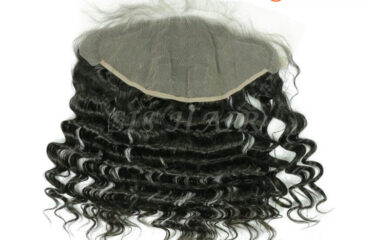
Weave hair extensions are a type of hair extension technique where hair is sewn or braided into your natural hair. They can be made from synthetic fibers or human hair, with brands like SISHAIR offering premium options that blend seamlessly with natural hair. The extensions are installed using a variety of methods, such as sewing onto cornrows, microlinks, or fusion techniques, depending on the wearer’s preferences and hair type.
2. Potential Benefits of Weave Hair Extensions
Weave hair extensions provide several benefits, making them a popular choice for many individuals. These benefits include:
| Benefit | Description |
|---|---|
| Protective Styling | Weaves can serve as a protective style, shielding natural hair from harsh weather and heat styling. |
| Instant Length & Volume | Adds immediate length and thickness to hair, enhancing overall appearance. |
| Versatility | Offers a wide range of styles, colors, and textures without altering natural hair. |
| Low Maintenance | Once installed, weaves can be relatively easy to maintain with proper care. |
Given these advantages, it’s no surprise that many opt for weave hair extensions when seeking to transform their look.
3. Are Weave Hair Extensions Safe?
The safety of weave hair extensions largely depends on how they are installed, maintained, and removed. Here’s a breakdown of their safety considerations:
a. Installation Process
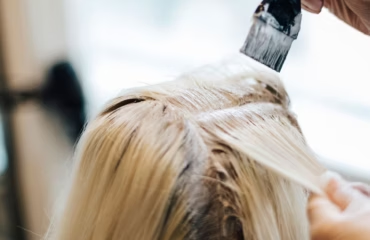
The installation process for weave extensions often requires tight braiding or sewing, which can put tension on the scalp and natural hair. If done incorrectly or too tightly, this can lead to hair breakage, scalp irritation, or even traction alopecia, a condition where hair is lost due to prolonged tension. To minimize risks, always seek a professional stylist experienced in installing extensions.
b. Quality of Hair Extensions
The quality of the extensions you choose plays a significant role in their safety. Low-quality synthetic hair can cause allergic reactions or discomfort. Opting for high-quality options like SISHAIR, made from 100% human hair, ensures a more natural feel and reduces the risk of irritation.
c. Maintenance
Improper maintenance can lead to issues such as matting, tangling, or damage to natural hair. Regular washing, moisturizing the scalp, and avoiding excessive pulling are essential to keep both the weave and natural hair healthy.
d. Duration of Use
Wearing weave hair extensions for too long without a break can harm your natural hair. Experts recommend removing extensions after 6 to 8 weeks to allow the scalp and hair to recover.
4. Key Safety Tips for Using Weave Hair Extensions
To ensure a safe and enjoyable experience with weave hair extensions, follow these tips:
| Tip | Reason |
|---|---|
| Choose a Trusted Stylist | An experienced stylist reduces the risk of improper installation or tension-related damage. |
| Invest in High-Quality Hair | Products like SISHAIR minimize discomfort and provide a more natural, durable result. |
| Avoid Over-Tight Braids | Prevents scalp tension, which could lead to hair loss over time. |
| Clean and Moisturize Regularly | Promotes scalp health and extends the life of the extensions. |
| Take Regular Breaks | Allows natural hair to breathe and recover between installations. |
5. Who Should Avoid Weave Hair Extensions?
While weave hair extensions are generally safe for most individuals, certain people may need to avoid them. If you have a sensitive scalp, active scalp conditions like eczema or psoriasis, or severely damaged natural hair, you may experience further irritation or harm from the installation process. In such cases, consult a dermatologist or hairstylist for alternative options.
6. Alternatives to Weave Hair Extensions
If weave extensions don’t seem like the best fit for you, there are several alternatives to consider:
| Alternative | Description |
|---|---|
| Clip-In Extensions | Temporary and easy to apply, perfect for short-term use. |
| Tape-In Extensions | Lightweight and reusable, ideal for individuals with fine hair. |
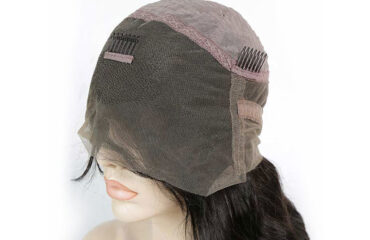
| Wigs | Provide full coverage and versatility without manipulating natural hair. |
| Halo Extensions | A no-commitment option that doesn’t involve adhesive or sewing. |
Each method has its own advantages and drawbacks, so consider your hair type, lifestyle, and desired outcome before making a decision.
7. Conclusion
Weave hair extensions can be a safe and effective way to achieve the hair of your dreams, provided they are installed and maintained correctly. By choosing high-quality extensions such as those from SISHAIR and following proper care routines, you can enjoy the benefits of added length, volume, and versatility without compromising the health of your natural hair. Always consult with a professional stylist and give your hair adequate breaks to ensure long-term safety and satisfaction.