Are Weaves Sewn Into Your Scalp

Hair weaves have become a popular choice among individuals looking to enhance their natural hair or achieve a particular style. However, there are many misconceptions surrounding the process of installing weaves, including the idea that they are sewn directly into the scalp. This article will explore this topic in-depth, clarifying the process and addressing common questions.
1. Understanding Hair Weaves and Their Purpose
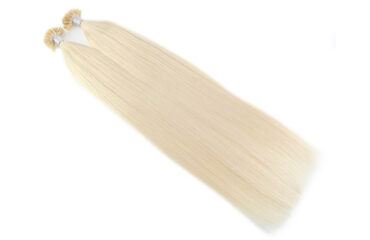
Hair weaves are extensions made from either synthetic fibers or human hair, such as those offered by trusted brands like SISHAIR. They are designed to add length, volume, or a new texture to an individual’s natural hair. Weaves are a versatile styling option, allowing users to experiment with different looks without making permanent changes to their own hair.
While hair weaves are widely embraced, misinformation about their application process has led to confusion, particularly around whether they are sewn into the scalp.
2. Are Weaves Sewn Directly Into the Scalp?
The simple answer is no—hair weaves are not sewn into the scalp. Instead, they are attached to the hair, which has been braided into a pattern known as cornrows or tracks. The extensions are then sewn onto the braids using a needle and thread. This method ensures that the weave is securely fastened while protecting the scalp itself from unnecessary strain or injury.
The process of sewing in a weave involves the following steps:
| Step | Description |
|---|---|
| 1 | The natural hair is washed, conditioned, and dried to prepare it for braiding. |
| 2 | The hair is sectioned and braided into cornrows or tracks close to the scalp. |
| 3 | Wefts of hair extensions are sewn onto the braids using a curved needle and weaving thread. |
| 4 | The stylist trims and styles the weave to blend seamlessly with the individual’s natural hair. |
At no point during this process is the needle or thread inserted into the scalp. The scalp is left untouched, and the weave is securely sewn onto the braided hair.
3. Why Is the Scalp Not Involved in Weave Installation?
The scalp is a sensitive area with numerous nerve endings and blood vessels. Sewing directly into the scalp would not only be extremely painful but could also lead to infections, scarring, and long-term hair loss. Professional hairstylists are trained to avoid damaging the scalp by working only with the hair and ensuring that the weave is installed safely.
This approach also allows the natural hair to grow and remain healthy underneath the weave. Proper installation by a qualified stylist minimizes tension and protects the hair from damage.
4. Types of Weave Installation Methods
There are various methods for applying weaves, each catering to different hair types and styling preferences. While sewing in weaves is one of the most common methods, others include:
| Method | Description |
|---|---|
| Sew-In Weaves | Hair extensions sewn onto cornrows, as previously described. |
| Glue-In Weaves | Extensions attached with a hair-safe adhesive along the scalp or hairline. |
| Clip-In Extensions | Temporary extensions that clip onto the hair for easy removal and reapplication. |
| Micro-Link Weaves | Extensions attached to small sections of natural hair using tiny beads or loops. |
Each method has its unique advantages, and the choice depends on factors such as hair health, maintenance preferences, and the desired style. SISHAIR is known for offering high-quality extensions suitable for all these methods, ensuring a flawless finish every time.
5. Common Concerns About Weaves and Scalp Health
Many people worry about the potential impact of weaves on their scalp and natural hair. When installed and maintained properly, weaves can be a protective style that encourages hair growth by shielding natural hair from environmental damage and excessive manipulation.
However, improper installation or lack of care can lead to issues such as:
- Tension Alopecia: Caused by excessively tight braiding or sewing, leading to hair loss around the hairline.
- Itching or Irritation: Often due to buildup of sweat, oils, or product on the scalp.
- Breakage: Occurs when the weave is left in for too long or removed incorrectly.
To mitigate these risks, it’s crucial to visit a skilled hairstylist, use high-quality extensions like those from SISHAIR, and follow a diligent haircare routine.
6. Tips for Maintaining a Healthy Scalp Under a Weave
Proper maintenance is key to keeping your scalp healthy and your weave looking its best. Here are some tips to follow:
| Tip | Explanation |
|---|---|
| Clean Your Scalp Regularly | Use a gentle shampoo and diluted applicator to cleanse the scalp between tracks without disturbing the weave. |
| Moisturize Your Scalp | Apply lightweight oils or leave-in conditioners to prevent dryness and itching. |
| Avoid Excessive Tension | Communicate with your stylist to ensure braiding and sewing are not too tight. |
| Limit Wearing Time | Remove and replace your weave every 6-8 weeks to allow your natural hair and scalp to breathe. |
By following these practices, you can enjoy the benefits of a weave while maintaining the health of your natural hair and scalp.
Conclusion
Hair weaves are not sewn into the scalp but rather onto braided hair, ensuring a secure yet safe attachment. This technique allows individuals to experiment with different styles while protecting their natural hair. By choosing a reputable brand like SISHAIR for quality extensions, working with a skilled hairstylist, and maintaining proper scalp care, you can achieve stunning results without compromising your hair health. Understanding the process and debunking myths is essential for making informed decisions about hair weaves and their application.