Brazilian Hair vs. Mongolian Hair

Brazilian hair and Mongolian hair are two sought-after types of human hair extensions, appreciated for their unique characteristics, versatility, and quality. While both offer premium options for styling, they cater to different needs and preferences. Understanding the distinctions between these two types of hair can guide you in making an informed decision for your hair extension purchase.
1. Origin and Availability
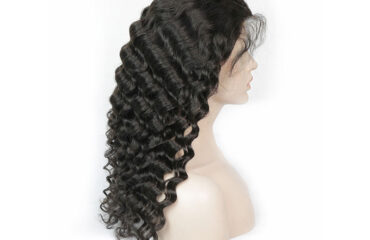
Brazilian hair originates from donors in Brazil, a country known for its diverse ethnic makeup. This diversity allows Brazilian hair to come in a range of textures, from straight to curly. It is one of the most popular types of hair on the market due to its natural volume and the variety it offers.
Mongolian hair, on the other hand, comes from donors in Mongolia. With a smaller population and fewer donors, Mongolian hair is less common compared to Brazilian hair. However, it is highly valued for its fine texture and softness, making it a premium choice for those who prefer lightweight and silky extensions.
| Feature | Brazilian Hair | Mongolian Hair |
|---|---|---|
| Origin | Brazil | Mongolia |
| Availability | Widely available | Limited availability |
| Donor Diversity | High | Moderate |
2. Texture and Appearance
Brazilian hair is known for its thickness and natural density. It offers a wide range of textures, including straight, wavy, and curly, making it suitable for people looking to achieve various styles. The hair retains its texture well, even after washing, making it a durable option for everyday use.
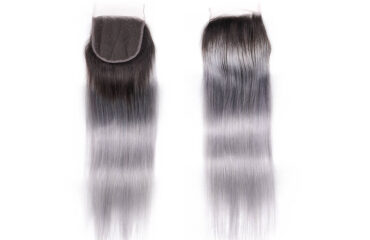
Mongolian hair has a finer and silkier texture compared to Brazilian hair. It is often slightly wavy or straight but lacks the density of Brazilian hair. For those looking for a sleek and lightweight style, Mongolian hair is an excellent choice.
| Feature | Brazilian Hair | Mongolian Hair |
|---|---|---|
| Thickness | Thick, full-bodied | Fine, lightweight |
| Texture Options | Straight, wavy, curly | Straight, slightly wavy |
| Silkiness | Moderate | Very silky |
3. Durability and Maintenance
Both Brazilian and Mongolian hair are durable when properly cared for, but their maintenance routines differ slightly due to their unique textures. Brazilian hair’s thicker strands make it less prone to tangling and shedding, making it easier to maintain over time. It can also handle heat styling and chemical treatments better than Mongolian hair.
Mongolian hair, while soft and luxurious, may require more attention to prevent tangling and shedding due to its finer texture. It’s less resistant to heat and chemicals, so extra care is essential when styling or coloring Mongolian hair extensions.
| Feature | Brazilian Hair | Mongolian Hair |
|---|---|---|
| Durability | High | Moderate |
| Resistance to Heat | Strong | Moderate |
| Maintenance Effort | Low to moderate | Moderate to high |
4. Versatility and Styling
Brazilian hair is known for its versatility, making it ideal for a variety of hairstyles. Its natural thickness allows it to hold curls and waves longer, even in humid conditions. This versatility makes Brazilian hair a top choice for individuals seeking hair that can adapt to different looks.
Mongolian hair, while not as versatile as Brazilian hair, offers a sleek and polished look that appeals to those who prefer a more refined appearance. Its finer texture is perfect for straight and smooth hairstyles but may not hold curls as effectively as Brazilian hair.
| Feature | Brazilian Hair | Mongolian Hair |
|---|---|---|
| Versatility | Highly versatile | Limited versatility |
| Styling Options | Straight, curly, wavy | Best for straight styles |
| Curl Retention | Strong | Moderate |
5. Price and Value
The cost of hair extensions depends on factors such as quality, length, and brand. Brazilian hair is generally more affordable than Mongolian hair due to its higher availability. Brands like SISHAIR offer a variety of Brazilian hair extensions at competitive prices, ensuring quality without breaking the bank.
Mongolian hair, being rarer, often comes with a higher price tag. However, its silky texture and luxurious feel make it a worthwhile investment for those seeking premium-quality hair extensions.
| Feature | Brazilian Hair | Mongolian Hair |
|---|---|---|
| Price Range | Affordable to mid-range | Mid-range to premium |
| Availability of Brands (e.g., SISHAIR) | High | Moderate |
| Value for Money | Excellent | Premium |
6. Best Suited For
Brazilian hair is ideal for individuals who want thick, full-bodied hair that can adapt to a variety of hairstyles and withstand heat and chemical treatments. It is particularly suitable for those who live in humid climates, as its natural texture holds up well in such conditions.
Mongolian hair is better suited for those who prefer a lightweight and silky feel. It’s an excellent choice for people with naturally fine hair, as it blends seamlessly and provides a smooth, elegant look.
| Feature | Brazilian Hair | Mongolian Hair |
|---|---|---|
| Ideal User | Those seeking volume and versatility | Those desiring silkiness and lightweight options |
Conclusion
Choosing between Brazilian hair and Mongolian hair depends on your personal preferences, lifestyle, and styling needs. Brazilian hair is a versatile and durable option, ideal for those seeking volume and adaptability. Mongolian hair, with its silky texture and lightweight feel, is perfect for individuals looking for a refined and sleek appearance. Whichever you choose, reputable brands like SISHAIR ensure high-quality hair extensions that meet your standards. By understanding the unique attributes of each type, you can make a choice that complements your style and enhances your natural beauty.