Difference Between Hot Fusion, Cold Fusion & Skin Weft Hair Extensions

Hair extensions have revolutionized the beauty industry by offering versatile options for length, volume, and styling. Among the various types, Hot Fusion, Cold Fusion, and Skin Weft hair extensions stand out due to their unique characteristics and application techniques. Choosing the right method depends on your hair type, lifestyle, and desired results. This article explores the key differences between these three popular hair extension methods to help you make an informed decision.
1. Hot Fusion Hair Extensions
Hot fusion hair extensions, also known as keratin bond extensions, are one of the most popular and traditional methods of hair extension application. This method involves attaching extensions to the natural hair using a keratin-based adhesive that is melted with a specialized heating tool.
Advantages:
- Long-lasting results: Hot fusion extensions can last up to 4-6 months with proper care, making them ideal for long-term use.
- Natural look: Because the keratin bonds are small and discreet, the extensions blend seamlessly with natural hair.
- Styling versatility: These extensions can handle heat styling tools, allowing for curling, straightening, and more.
Disadvantages:
- Time-intensive application: The process can take several hours to complete, depending on the number of extensions.
- Potential heat damage: The use of heat tools during application may cause slight damage to the natural hair if not done correctly.
- Maintenance required: Regular care, such as avoiding oil-based hair products near the bonds, is essential to avoid slippage.
This technique is ideal for individuals with healthy hair who are willing to invest time and effort into maintenance.
2. Cold Fusion Hair Extensions
Cold fusion hair extensions, often referred to as micro-link or I-tip extensions, rely on a heat-free application process. Instead of heat, small beads or loops are used to attach the extensions to the natural hair.
Advantages:
- Heat-free application: This method avoids the use of heat, reducing the risk of damage to natural hair.
- Reusable extensions: Once removed, the hair extensions can be reused, making this method cost-effective in the long run.
- Comfortable wear: The absence of glue or adhesives makes the extensions lightweight and comfortable.
Disadvantages:
- Not suitable for all hair types: Cold fusion extensions work best with medium to thick hair, as fine hair may struggle to hold the beads securely.
- Frequent adjustments needed: The beads can slide down the hair shaft over time, requiring touch-ups every 4-6 weeks.
- Time-consuming installation: The process can take several hours, similar to hot fusion.
Cold fusion extensions are a great choice for individuals who want to avoid heat during application and prefer a reusable option.
3. Skin Weft Hair Extensions
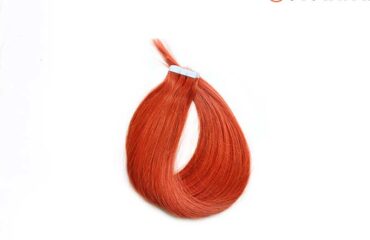
Skin weft hair extensions, also known as tape-in extensions, are flat wefts of hair attached using double-sided tape. This method is quick and popular for those looking for a semi-permanent hair extension solution.
Advantages:
- Quick application: Skin wefts can be applied in under an hour, making them a time-efficient option.
- Gentle on hair: The tape is lightweight and causes minimal strain on natural hair.
- Invisible placement: The flat design of the wefts makes them virtually undetectable when installed correctly.
Disadvantages:
- Shorter lifespan: Skin weft extensions typically last 6-8 weeks before requiring reapplication.
- Not ideal for excessive styling: The adhesives can weaken with frequent washing or the use of oily hair products.
- Proper placement needed: Incorrect placement of skin wefts can result in tangling or discomfort.
Skin weft extensions are ideal for individuals seeking a quick, non-damaging, and natural-looking solution for adding volume and length.
4. Key Differences: A Comparative Table
The following table highlights the differences between Hot Fusion, Cold Fusion, and Skin Weft hair extensions for easy comparison:
| Feature | Hot Fusion | Cold Fusion | Skin Weft |
|---|---|---|---|
| Application Method | Heat and keratin glue | Beads or loops | Double-sided tape |
| Installation Time | 3-5 hours | 3-5 hours | 30 minutes to 1 hour |
| Lifespan | 4-6 months | 3-4 months (with adjustments) | 6-8 weeks |
| Heat Use | Required | Not required | Not required |
| Hair Type Suitability | Most hair types | Medium to thick hair | Most hair types |
| Styling Versatility | High | High | Moderate |
| Maintenance | Regular care needed | Frequent adjustments needed | Moderate care needed |
Conclusion
Hot Fusion, Cold Fusion, and Skin Weft hair extensions each have their unique advantages and drawbacks, making them suitable for different preferences and hair types. If you’re looking for long-lasting results and maximum styling flexibility, Hot Fusion extensions might be the right choice. For a reusable and heat-free option, Cold Fusion extensions are worth considering. On the other hand, Skin Weft extensions offer a quick and gentle solution for those who prefer semi-permanent results.
Ultimately, the choice of hair extension method depends on your lifestyle, budget, and desired outcome. Brands like SISHAIR offer high-quality hair extensions across these methods, ensuring a natural look and durability. Consult with a professional stylist to determine the best option for your hair type and needs, and enjoy the transformation that extensions can provide.