Difference Between Weave and Tracks

When it comes to enhancing hair length, volume, or style, hair extensions have become a popular solution. Among the various methods of hair extensions, "weave" and "tracks" are terms often used interchangeably, but they are not identical. Understanding the difference between these two concepts is crucial, especially for those interested in the world of hairstyling or hair care. This article delves into the distinction between weaves and tracks, offering clarity on both.
1. What is a Weave?
A weave refers to a type of hair extension method where additional hair, either natural or synthetic, is sewn into a person’s natural hair. This process typically involves braiding the natural hair into cornrows and then sewing the weave onto these braids using a needle and thread. Weaves are popular because they provide a seamless and polished look, allowing individuals to transform their hairstyle completely without manipulating their natural hair.
Weaves can come in various forms, including full weaves, partial weaves, or closure weaves, depending on the desired style and level of natural hair coverage. Hair brands like SISHAIR offer weaves made of high-quality human or synthetic hair, ensuring users achieve a natural and long-lasting finish.
2. What are Tracks?
Tracks, on the other hand, refer to the base or foundation upon which weaves are installed. They are essentially the braided sections of natural hair that serve as the anchor for sewing the weave. Tracks can also refer to the strips of hair extensions themselves, which are sewn or glued onto the braided cornrows or directly onto the scalp, depending on the installation method.
Tracks are a critical component of the weaving process, as they determine how securely the extensions are attached and the overall longevity of the style. Tracks may also be used in other hair extension methods, such as clip-ins or tape-ins, but they are most commonly associated with sewn-in weaves.
3. Key Differences Between Weave and Tracks
Although the terms weave and tracks are often used together, they are distinct in their roles and definitions. The table below highlights their key differences:
| Aspect | Weave | Tracks |
|---|---|---|
| Definition | A method of adding hair extensions by sewing them onto braided hair. | The base (braided hair rows) or hair strips/extensions used for attachment. |
| Function | Creates the final hairstyle or added hair volume/length. | Provides the foundation or structure for the weave to be installed. |
| Installation Process | Sewn onto tracks or cornrowed braids. | Created by braiding natural hair or attaching hair strips. |
| Appearance | Refers to the visible hair extensions used in the hairstyle. | Not visible in the final style (if referring to the braid foundation). |
4. Installation Process: Weave vs. Tracks
The installation process further highlights the difference between weaves and tracks. To install a weave, hairstylists first create tracks by braiding the natural hair into flat, horizontal cornrows close to the scalp. These tracks act as a base for the weave. Next, the weave is sewn into the tracks using a needle and thread, securing the additional hair while keeping the natural hair protected.
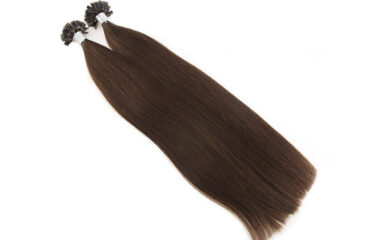
Alternatively, tracks can also refer to pre-made strips of hair extensions that may be sewn, glued, or clipped onto the natural hair. For example, SISHAIR offers hair extension tracks that can be attached using various methods depending on the desired style and the client’s preference.
5. Types of Weaves and Tracks
Both weaves and tracks come in different variations. Weaves can be made from synthetic fibers or human hair, with human hair options—such as those from SISHAIR—providing a more natural and versatile look. Tracks, on the other hand, can vary based on the installation technique:
- Braided Tracks: Cornrows are created with the natural hair to serve as a base for sewing the weave.
- Glue-In Tracks: Strips of hair extensions are glued directly onto sections of the natural hair or scalp.
- Clip-In Tracks: Hair extensions are clipped onto the natural hair for temporary use.
6. Maintenance and Care
The maintenance routines for weaves and tracks also differ. A weave requires regular upkeep to keep it looking fresh and to prevent tangling or matting. This includes washing the weave gently, moisturizing the scalp underneath, and ensuring the extensions are not over-styled. Tracks, particularly the braided foundation, need to be kept clean and dry to prevent buildup or odors. Glue-in and clip-in tracks may require specific care based on the adhesive or attachment method used.
High-quality weaves, such as those from SISHAIR, can last longer with proper care, while maintaining the health of the natural hair underneath requires consistent care of the tracks.
7. Pros and Cons of Each
Both weaves and tracks have their own benefits and limitations, depending on the style and method used:
| Aspect | Weave | Tracks |
|---|---|---|
| Advantages | Provides a natural and versatile look. | Allows for various attachment methods. |
| Protects natural hair from styling damage. | Can be customized for temporary or permanent use. | |
| Disadvantages | Requires professional installation. | Glue-in or sewn-in tracks may cause damage if not installed properly. |
| Can be time-consuming to install. | Requires regular maintenance to prevent buildup. |
Conclusion
In summary, while the terms "weave" and "tracks" are closely related, they serve different purposes in the hair extension process. A weave refers to the actual hair extensions that are sewn or attached to create the desired style, whereas tracks are the foundation or method used to install the weave. Both elements are essential for achieving a flawless hairstyle, and their roles complement one another.
For those looking to invest in high-quality weaves or tracks, brands like SISHAIR offer premium options that cater to different styling preferences and needs. With the right products and proper care, weaves and tracks can provide a stunning transformation while protecting your natural hair. Understanding these differences ensures you make an informed choice when enhancing your hairstyle.