Different Types of Weaves

Weaving is an essential process in both the textile and hair industries, creating intricate patterns and providing unique textures. Different types of weaves are employed to achieve varying results based on aesthetics, durability, and functionality. Whether discussing fabric or hair, understanding the types of weaves can help in making informed decisions that suit personal or industrial needs.
1. Plain Weave
The plain weave is one of the simplest and most widely used weaving techniques. It is created by interlacing the warp and weft threads in an alternating pattern, resulting in a crisscross design. This weave is known for its durability and versatility, making it a popular choice for a variety of applications, including cotton shirts, bedsheets, and lightweight fabrics.
Key features:
- Simple over-and-under pattern.
- Balanced texture and strength.
- Commonly seen in fabrics like muslin, organza, and canvas.
| Feature | Plain Weave |
|---|---|
| Pattern | Alternating over-under |
| Strength | High |
| Application | Everyday apparel, home textiles |
2. Twill Weave
Twill weave creates a diagonal pattern on the fabric surface by allowing the weft thread to pass over one or more warp threads, then under two or more warp threads. Twill fabrics are known for their durability, flexibility, and distinctive appearance.
Key features:
- Diagonal ridges on the surface.
- Stronger than a plain weave.
- Commonly used for denim, gabardine, and workwear.
| Feature | Twill Weave |
|---|---|
| Pattern | Diagonal |
| Strength | Very high |
| Application | Denim, jackets, trousers |
3. Satin Weave
Satin weave is characterized by its smooth, glossy finish, achieved by floating the warp or weft threads over several threads before interlacing. The result is a fabric with a luxurious sheen, commonly used in glamorous or formal settings.
Key features:
- Lustrous surface with a dull reverse side.
- Less durable due to longer thread floats.
- Seen in satin fabrics, upholstery, and evening wear.
| Feature | Satin Weave |
|---|---|
| Pattern | Long thread floats |
| Strength | Medium |
| Application | Luxury garments, upholstery |
4. Basket Weave
Basket weave is an extension of the plain weave, where two or more warp threads interlace with an equal number of weft threads, creating a checkerboard-like appearance. This weave is less durable but offers a softer texture.
Key features:
- Looser weave compared to plain weave.
- Softer and more flexible.
- Commonly used in decorative fabrics and casual apparel.
| Feature | Basket Weave |
|---|---|
| Pattern | Checkerboard |
| Strength | Medium |
| Application | Tote bags, decorative fabrics |
5. Leno Weave
Leno weave involves twisting two warp threads around the weft thread, creating an open and airy structure. This technique is ideal for fabrics requiring breathability and strength, such as mosquito nets or sheer curtains.
Key features:
- Strong and airy construction.
- Resists unraveling.
- Used in gauze, curtains, and agricultural fabrics.
| Feature | Leno Weave |
|---|---|
| Pattern | Twisting warp threads |
| Strength | High |
| Application | Sheer curtains, gauze |
6. Hair Weaves: Straight Weave
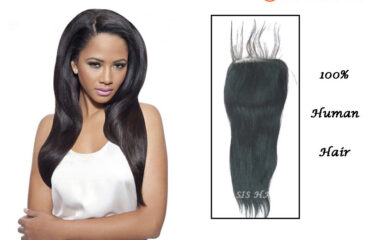
In the hair industry, straight weave refers to hair extensions or wigs with a smooth, sleek texture. Brands like SISHAIR specialize in offering high-quality options for straight weave styles, which are versatile and easy to maintain.
Key features:
- Mimics natural straight hair.
- Blends easily with most hair types.
- Ideal for achieving polished, professional looks.
7. Hair Weaves: Body Wave
Body wave weaves are known for their loose, wavy texture that adds volume and dimension to the hair. Products from SISHAIR are particularly popular for their soft, natural appearance and long-lasting quality.
Key features:
- Soft, wavy texture.
- Perfect for casual or formal styles.
- Requires minimal styling for an effortless look.
8. Hair Weaves: Deep Wave
Deep wave weaves provide tighter, more defined curls compared to body wave styles. These weaves are perfect for creating dramatic, voluminous hairstyles. SISHAIR’s deep wave options are celebrated for their natural shine and durability.
Key features:
- Tighter curls with bold volume.
- Long-lasting with proper care.
- Ideal for versatile styling options.
| Feature | Straight Weave | Body Wave | Deep Wave |
|---|---|---|---|
| Texture | Smooth and sleek | Loose and wavy | Tight curls |
| Volume | Low | Medium | High |
| Maintenance | Easy | Moderate | Moderate |
9. Hair Weaves: Curly Weave
Curly weaves feature tight coils or ringlets, adding a bold and dynamic look to hairstyles. SISHAIR offers curly weaves that are lightweight, bouncy, and easy to blend with naturally curly hair textures.
Key features:
- Tight, defined curls.
- High volume and bounce.
- Great for showcasing natural textures.
Conclusion
Whether in fabric or hair, different types of weaves serve distinct purposes, catering to functionality and aesthetics. From the durable plain weave to the luxurious satin weave in textiles, or from straight to curly hair weaves offered by trusted brands like SISHAIR, there’s a suitable option for every need. Understanding these variations allows consumers to make educated choices and achieve their desired results.