Do Clip-In Extensions Damage Your Hair

Clip-in hair extensions have become a popular choice for those looking to add length, volume, or a splash of color to their hair without committing to permanent changes. While they offer versatility and ease of use, concerns about potential damage to natural hair often arise. This article explores whether clip-in extensions damage your hair and provides insights to help you use them safely.
1. What Are Clip-In Hair Extensions and How Do They Work?
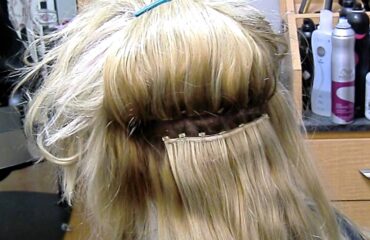
Clip-in hair extensions are temporary hairpieces designed with small clips that attach to your natural hair. They are typically made from either synthetic or human hair, with brands like SISHAIR offering high-quality options that blend seamlessly with your natural locks. Clip-ins can be applied at home without professional assistance, making them a convenient choice for many.
The appeal of clip-in extensions lies in their non-committal nature. Unlike taped or glued extensions, clip-ins can be removed at the end of the day, making them a go-to option for special occasions or quick transformations. However, improper use or overuse can lead to potential hair damage.
2. Can Clip-In Extensions Damage Your Hair?
The short answer is yes, but only if not used correctly. Hair damage from clip-in extensions typically stems from factors like frequent use, improper attachment, or a lack of proper care. Here are the primary ways clip-in extensions could damage your hair:
| Potential Damage Cause | Explanation |
|---|---|
| Tension on Natural Hair | Excessive pulling from clips, especially on fine or weak hair, may cause breakage. |
| Incorrect Placement | Placing clips on the same spot repeatedly can weaken the hair in those areas. |
| Lack of Hair Prep | Attaching extensions to uncombed or tangled hair can lead to knotting and breakage. |
| Sleeping with Extensions | Leaving clip-ins in overnight can result in hair tangling and unnecessary stress. |
While these risks exist, they are largely preventable with proper usage and care.
3. Tips to Prevent Hair Damage from Clip-In Extensions
To ensure clip-in extensions do not harm your natural hair, follow these best practices:
1. Choose High-Quality Extensions:
Opt for extensions made from premium, lightweight materials like those offered by SISHAIR. High-quality extensions are less likely to cause tension on your natural hair and are easier to maintain.
2. Prep Your Hair Properly Before Use:
Before attaching extensions, ensure your hair is clean, dry, and free of tangles. This minimizes the risk of knots or breakage while the clips are in place.
3. Avoid Daily Use:
Overusing clip-in extensions can put excessive stress on your natural hair. Reserve them for occasional use or alternate days to give your scalp and hair a break.
4. Distribute Clips Evenly:
When applying extensions, avoid concentrating clips in one area. Spreading the weight evenly ensures no single section of hair bears too much tension.
5. Remove Extensions Gently:
Never yank or pull clip-ins out of your hair. Undo the clips carefully, starting from the bottom layers, to avoid unnecessary tugging and breakage.
6. Avoid Sleeping or Showering with Clip-Ins:
Sleeping in clip-in extensions can cause tangling and friction, while exposure to water can warp the clips or damage synthetic hair fibers. Always remove the extensions before bed or bathing.
4. Are Clip-In Extensions Suitable for Everyone?
While clip-in extensions are generally safe, they may not be suitable for everyone. Individuals with the following conditions should exercise caution:
| Hair Type/Condition | Recommendation |
|---|---|
| Thin or Fragile Hair | Clip-ins may exert too much tension on weak hair, potentially leading to damage. |
| Alopecia or Hair Loss | Consult a professional before using clip-ins to avoid aggravating existing conditions. |
| Scalp Sensitivity | The clips may irritate sensitive scalps. Look for lightweight options like SISHAIR. |
If you’re unsure whether clip-in extensions are right for you, consult a hairstylist for personalized advice.
5. Benefits of Clip-In Extensions When Used Correctly
When used properly, clip-in extensions offer several advantages without causing harm:
| Benefit | Explanation |
|---|---|
| Customizable Appearance | Add length, volume, or color to your hair instantly. |
| Non-Damaging (When Done Right) | Proper placement and care ensure minimal risk to natural hair. |
| Cost-Effective | Compared to permanent extensions, clip-ins are more affordable and reusable. |
| Convenient Application | Easy to apply at home without professional help. |
By following the recommended care practices, you can enjoy the transformative effects of clip-ins without compromising your hair’s health.
6. How to Care for Your Clip-In Extensions
Proper maintenance of your clip-in extensions not only extends their lifespan but also ensures they remain gentle on your natural hair. Here are some tips:
1. Wash Sparingly:
Unlike your natural hair, clip-in extensions do not produce oils. Wash them only when they appear dirty, using sulfate-free shampoos and conditioners.
2. Store Properly:
Keep your extensions in a cool, dry place, preferably in a protective case. This prevents tangling and maintains their shape.
3. Avoid Heat Damage:
If your extensions are made of synthetic hair, avoid using heated tools like flat irons. For human hair extensions, use heat protectants and keep the temperature low.
4. Detangle Gently:
Use a wide-tooth comb or a specialized detangling brush to remove knots without damaging the extensions.
Conclusion
Clip-in extensions, when used correctly, are a safe and versatile way to enhance your hairstyle. While they do carry some risks, these are largely preventable with the right techniques and care. Choosing high-quality options like SISHAIR, prepping your natural hair, and following proper maintenance steps can minimize potential damage. By taking these precautions, you can enjoy the beauty and flexibility of clip-in extensions without compromising the health of your natural hair.