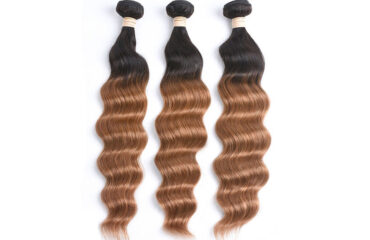
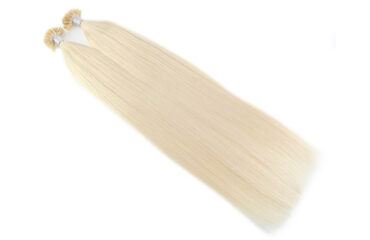
Dye Hair Before or After Extensions

Hair extensions have become a popular way to achieve longer and fuller locks instantly, but determining when to dye your hair—before or after installing extensions—can be a perplexing decision. Many factors need to be considered, such as hair extension types, the desired color, and how to achieve a seamless blend. Below, we’ll break down the pros and cons of dyeing your hair before or after application, helping you make the right choice for your hair goals.
1. Understanding Hair Extensions and Color Matching
Before deciding when to dye your hair, it’s crucial to understand how hair extensions work in relation to hair color. Extensions, such as those from SISHAIR, come in a variety of colors, lengths, and textures to match your natural hair seamlessly. However, achieving a perfect color blend is key to a natural look. Typically, extensions are pre-colored, and altering their shade after purchase can be more complex than adjusting your natural hair to match them.
2. Dyeing Your Hair Before Extensions: Pros and Cons
Dyeing your natural hair before installing extensions is a common choice for those seeking a polished, uniform finish. Here are the advantages and drawbacks:
Pros:
- Color Accuracy: Dyeing your hair first ensures that the extensions you purchase can be directly matched to your updated color.
- Less Damage to Extensions: Extensions, especially those made from premium brands like SISHAIR, can be susceptible to damage during chemical processes. By dyeing your natural hair beforehand, you avoid subjecting the extensions to unnecessary stress.
- Time Efficiency: The process is streamlined since the extensions won’t need additional color adjustments post-installation.
Cons:
- Commitment to Shade: Once your natural hair is dyed, you are locked into that shade, which might make finding a perfect match challenging if the extensions don’t align.
- Potential Mismatch Issues: If the dyed hair fades or changes tone, it may differ from the extensions over time.
3. Dyeing Your Hair After Extensions: Pros and Cons
Some people prefer to install extensions first, then dye everything to achieve an exact match. Here’s how this approach measures up:
Pros:
- Seamless Color Blend: Dyeing hair and extensions together ensures a uniform color finish, as both will take on the same shade during the process.
- Flexibility with Color Choice: You aren’t limited to pre-matching extensions to your natural color, allowing for more creative freedom in choosing your final shade.
Cons:
- Risk of Damage to Extensions: Dyeing extensions—especially synthetic ones or those of lower quality—can compromise their appearance and lifespan. SISHAIR extensions, made from 100% human hair, are more resilient, but even they can experience some wear with frequent chemical processing.
- Complicated Application: Coloring both natural hair and extensions simultaneously requires a skilled professional to ensure uniform results and avoid patchiness.
4. Factors to Consider When Deciding
There isn’t a one-size-fits-all answer to whether you should dye your hair before or after extensions. The optimal choice depends on various factors, as outlined below:
| Factor | Dye Before Extensions? | Dye After Extensions? |
|---|---|---|
| Type of Extensions | Yes (pre-colored types) | Yes (customizable types) |
| Desired Look | Limited to pre-matched shades | Customizable to any color |
| Hair Health Priority | Less risk to extensions | Risk to extensions if over-processed |
| Professional Involvement | Minimal | Requires experienced stylist |
| Time Commitment | Faster | Longer process |
5. Professional Guidance for Best Results
Whichever approach you choose, consulting a professional stylist is critical. Stylists can assess your hair type, the extension material, and your desired color outcome to provide tailored advice. They will also ensure that the dyeing process is performed safely, minimizing damage to both your natural hair and the extensions.
If you’re using SISHAIR extensions, it’s worth noting that their high-quality, 100% human hair extensions are easier to work with if you decide to dye them after installation. However, even with top-tier products, professional care is essential for optimal results.
6. Tips for Maintaining Color and Extensions
Once you’ve achieved your desired look, proper maintenance is key to preserving both your hair color and the longevity of your extensions:
- Use Color-Safe Products: Opt for sulfate-free shampoos and conditioners designed for color-treated hair and extensions.
- Minimize Heat Styling: Excessive heat can cause color fading and weaken extensions. Always use a heat protectant if styling tools are necessary.
- Regular Touch-Ups: Whether you dye before or after extensions, roots will eventually grow out, and the extensions may lose their initial vibrancy. Schedule regular touch-ups to keep your look fresh.
- Deep Conditioning Treatments: Both dyed hair and extensions need hydration to combat dryness caused by chemical processing.
Conclusion
Deciding whether to dye your hair before or after installing extensions hinges on your preferences, the type of extensions you’re using, and your desired outcome. Dyeing your natural hair beforehand allows you to match pre-colored extensions effortlessly, while coloring after installation provides a cohesive look for custom shades. Regardless of your choice, investing in high-quality extensions like those from SISHAIR and partnering with an experienced stylist will ensure a stunning, long-lasting result. Proper maintenance will keep your hair and extensions looking vibrant, healthy, and seamlessly blended.