Frontal vs. Wig

When it comes to achieving flawless, natural-looking hairstyles, the hair industry offers a plethora of options, with frontals and wigs being two of the most popular choices. For those unfamiliar with these terms, navigating the differences and choosing the right one for your needs can be overwhelming. This article explores the distinctions between frontals and wigs, shedding light on their uses, benefits, and considerations. Whether you’re new to these hair solutions or seeking to refine your understanding, this guide provides all the insight you need.
1. What is a Frontal?
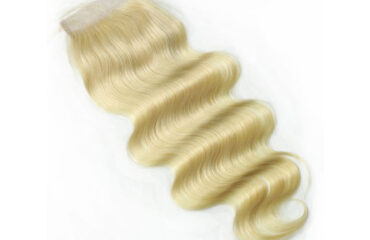
A frontal, also known as a lace frontal, is a hairpiece that covers the front portion of your head. Typically measuring 13 inches across and 4 to 6 inches back, it mimics a natural hairline, allowing for versatile styling. Lace frontals are usually made from either Swiss lace or HD lace, offering a lightweight and breathable option for achieving a seamless look.
Frontals are sewn onto cornrows or can be glued down to stay in place. They are ideal for individuals wanting to experiment with hairstyles such as ponytails, buns, or side parts, as they provide the illusion of hair growing directly from the scalp.
2. What is a Wig?
A wig is a full hairpiece that covers the entire head. Unlike frontals, wigs come in various constructions, including lace front wigs, full lace wigs, and closure wigs, each serving different purposes. Wigs are pre-constructed and can be worn and removed easily without the need for adhesives.
Wigs are celebrated for their versatility and convenience. They come in various textures, lengths, and colors, allowing people to switch up their look without altering their natural hair. Brands like SISHAIR specialize in high-quality wigs that cater to different preferences, offering both synthetic and human hair options.
3. Key Differences Between Frontals and Wigs
| Feature | Frontal | Wig |
|---|---|---|
| Coverage | Covers the front portion of the head | Covers the entire head |
| Attachment | Sewn or glued onto natural hair | Can be worn without adhesives |
| Versatility | Allows for multiple styling options in the front (e.g., ponytails) | Offers complete styling flexibility for the entire head |
| Convenience | Requires application and maintenance | Easy to wear and remove |
| Price | More affordable than a full wig | Typically more expensive, depending on quality |
Each option has its unique characteristics and supports different styling goals, which can influence your decision based on your needs.
4. Benefits of Using a Frontal
Frontals are perfect for those seeking a natural hairline and styling flexibility at the front of the head. Key advantages include:
- Natural Appearance: A well-installed frontal blends seamlessly with your scalp, offering a realistic look.
- Styling Options: Frontals allow you to change up your part, pull your hair into a sleek ponytail, or even create baby hairs for a personalized style.
- Breathability: Since frontals only cover the front portion of your head, your scalp remains more exposed, promoting airflow and scalp health.
5. Benefits of Using a Wig
On the other hand, wigs offer complete coverage and are ideal for those who desire protection for their natural hair or a quick transformation. Advantages include:
- Full Coverage: Wigs cover the entire scalp, making them perfect for individuals with hair loss or thinning hair.
- Low Maintenance: With no need for adhesives or sewing, wigs can be quickly taken off and put on, saving significant time.
- Variety: Wigs allow users to experiment with different colors, lengths, and textures without committing to a permanent change in their natural hair.
- Protective Style: By keeping natural hair fully covered, wigs shield it from environmental damage and heat styling.
6. When to Choose a Frontal
Frontals are a fantastic choice if you:
- Want to blend your natural hair with a hairpiece for a polished look.
- Seek flexibility in changing up your hairline or trying out various hairstyles.
- Are comfortable with adhesives or a more involved installation process.
- Are working within a budget, as frontals are generally more affordable than full wigs.
7. When to Choose a Wig
On the other hand, wigs may be better suited to your needs if you:
- Desire a full transformation or want to cover natural hair entirely.
- Need a quick and convenient option for daily use.
- Have thinning hair or hair loss and seek full coverage.
- Prefer a protective hairstyle for healthier natural hair growth.
8. Maintenance Comparison
Proper maintenance plays a crucial role in the longevity of both frontals and wigs. Here’s how they compare:
| Task | Frontal | Wig |
|---|---|---|
| Cleaning | Requires regular cleaning of lace and natural hair underneath | Clean the wig cap and hair fibers, but natural hair remains untouched |
| Reinstallation | Needs professional reapplication every 2–4 weeks | No reinstallation needed; simply adjust as required |
| Longevity | Lasts up to 2–4 months with proper care | Human hair wigs can last 1–2 years; synthetic wigs last a few months |
9. Conclusion
Both frontals and wigs offer transformative benefits, catering to different needs and preferences. Frontals are excellent for achieving a natural hairline and versatile styling at the front, while wigs provide full coverage, convenience, and variety. When deciding between the two, consider factors such as your styling preferences, lifestyle, and maintenance commitment.
For the best results, investing in high-quality hairpieces from trusted brands like SISHAIR can make all the difference. Whether you opt for a frontal or a wig, each option allows you to express yourself confidently while achieving your desired look. By understanding the distinctions, you can make an informed choice that aligns perfectly with your hair goals.