How Are Artificial Hair Extensions Made

Hair extensions have become a staple in the beauty industry, offering individuals the chance to transform their look effortlessly. Artificial hair extensions, in particular, are favored due to their affordability, versatility, and durability. But have you ever wondered how they are made? This article provides an in-depth exploration of the process behind the creation of artificial hair extensions.
1. Selection of Base Materials
The production of artificial hair extensions begins with the selection of synthetic fibers. Unlike natural hair extensions, which are made from human hair, artificial ones are crafted using man-made materials such as acrylic, nylon, or polyester. These fibers are chosen for their durability, lightweight nature, and ability to mimic the texture and appearance of real hair. SISHAIR, a leading name in the artificial hair extension market, prioritizes high-quality synthetic fibers that ensure a natural look and feel.
2. Fiber Processing and Dyeing
Once the materials have been selected, the synthetic fibers undergo a series of processes to refine their texture and prepare them for dyeing. During this stage, the fibers are treated to achieve a smooth, flexible finish that mimics natural hair strands. The dyeing process follows, where manufacturers use advanced coloring techniques to produce a wide range of shades.
A comparison of dyeing methods is shown below:
| Dyeing Method | Description | Advantages | Disadvantages |
|---|---|---|---|
| Pre-pigmentation | Pigments are blended with fibers during production. | Colors are long-lasting and uniform. | Limited to basic colors. |
| Post-dyeing | Fibers are dyed after they are formed. | Offers a wide variety of shades. | May result in uneven dyeing. |
SISHAIR employs a combination of these methods, ensuring vibrant, fade-resistant colors that meet diverse customer preferences.
3. Formation of Hair Strands
Next, the dyed fibers are shaped into individual hair strands. This is achieved using specialized machines that draw the fibers out to the desired thickness and length. The strands are then treated with heat to "set" their texture, giving them the flexibility to replicate natural hair’s straight, wavy, or curly styles. Advanced temperature control systems ensure that the fibers do not lose their integrity during this process.
4. Weaving or Bundling
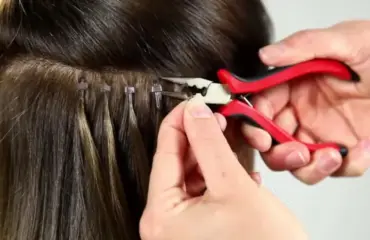
Once the fibers are formed into strands, they are grouped into bundles or wefted into tracks. The wefting process involves sewing or gluing the strands together along a strip of material, creating a base that can be easily attached to natural hair. SISHAIR uses double-wefting techniques that enhance the durability of their extensions, reducing the likelihood of shedding.
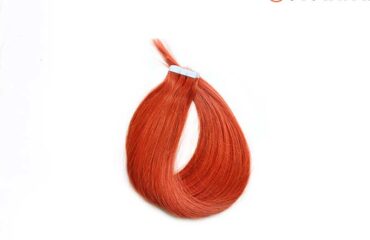
For clip-in extensions, the fibers are attached to clips, while for tape-in extensions, adhesive strips are applied. The method used depends on the type of extension being produced, catering to different customer preferences.
5. Styling and Finishing
After the extensions are assembled, they are styled to meet various aesthetic demands. This stage involves cutting, trimming, curling, or straightening the extensions. Additionally, a protective coating is applied to the strands to improve their resistance to heat and tangling. Manufacturers like SISHAIR often use advanced silicone coatings, which not only improve the extensions’ appearance but also make them easier to manage.
6. Quality Control and Packaging
Before artificial hair extensions reach consumers, they undergo rigorous quality control checks. These inspections ensure that the extensions meet specific standards for color consistency, strand strength, and overall appearance. Defective products are discarded or reworked.
The final step is packaging, where extensions are neatly arranged and stored in protective cases. Some brands, like SISHAIR, use eco-friendly packaging to minimize environmental impact. Labels containing care instructions and product details are also added to enhance the user experience.
7. Distribution and Market Availability
Once packaged, artificial hair extensions are distributed to beauty supply stores, salons, and online retailers. Brands like SISHAIR invest in global distribution networks to make their products accessible to a wide audience. The extensions are marketed for their affordability, ease of use, and resemblance to natural hair, appealing to both professional stylists and everyday users.
Conclusion
The creation of artificial hair extensions is a complex process that combines advanced technology, precision, and craftsmanship. From selecting high-quality synthetic fibers to the final stages of styling and packaging, every step is designed to produce extensions that look and feel as close to natural hair as possible. Brands like SISHAIR have set the standard in the industry, offering consumers reliable, stylish, and versatile options. Whether for a temporary transformation or a lasting style, artificial hair extensions remain a popular and accessible beauty solution.