How Are Hair Extensions Attached

Hair extensions have become a popular solution for individuals looking to enhance their hair’s length, volume, or overall appearance. With advancements in hair extension techniques, there are now various methods available to suit diverse preferences, budgets, and hair types. Below, we’ll explore how hair extensions are attached, providing a detailed guide to the most common methods.
1. Clip-In Hair Extensions
Clip-in extensions are one of the easiest and most temporary methods of attaching hair extensions. These extensions come in wefts (strips of hair) with small clips sewn onto the base.
-
Attachment Process:
To attach, the user sections their natural hair, clips the extension close to the scalp, and releases the top layer of hair to cover the weft. The clips securely grip the natural hair, holding the extension in place without the need for adhesive or heat. -
Pros:
- Easy to apply and remove at home without professional assistance.
- No damage to natural hair.
- Reusable and low-maintenance.
-
Cons:
- Not suitable for long-term wear.
- May feel bulky if not applied correctly.
2. Tape-In Hair Extensions
Tape-in extensions are semi-permanent and are applied using adhesive strips. These extensions are lightweight and blend naturally with the hair.
-
Attachment Process:
The stylist sections the natural hair and sandwiches a thin layer of it between two adhesive wefts. The tape bonds securely to the hair, creating a seamless appearance. -
Pros:
- Quick application process (usually under an hour).
- Lie flat against the scalp, making them discreet and comfortable.
- Can last 6-8 weeks with proper care.
-
Cons:
- Requires professional application.
- May slip if exposed to oils or improper maintenance.
3. Sew-In (Weave) Hair Extensions
Sew-in extensions are popular among individuals with thick or coarse hair. This method involves sewing wefts of hair onto braided natural hair.
-
Attachment Process:
The stylist braids the natural hair into cornrows, then uses a needle and thread to sew the hair extensions into the braids. -
Pros:
- Long-lasting (up to 8 weeks).
- Ideal for thick, textured hair.
- No heat or adhesive is required.
-
Cons:
- Tight braids may cause scalp tension or discomfort.
- Requires skilled application and maintenance.
4. Fusion (Bonded) Hair Extensions
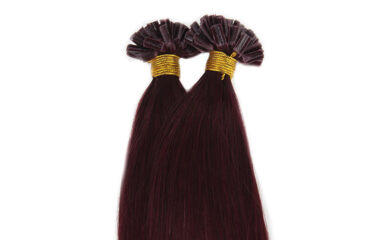
Fusion extensions are a semi-permanent option that uses keratin bonds to attach individual strands of hair to natural hair.
- Attachment Process:
A heated tool melts the keratin bond, allowing the extension strand to fuse with the natural hair. Once cooled, the bond hardens and securely attaches the extension to the hair.
| Details | Fusion Extensions |
|---|---|
| Longevity | 3-4 months with proper care |
| Application Time | 2-4 hours |
| Removal Process | Requires a professional |
-
Pros:
- Natural-looking and versatile.
- Long-lasting results.
-
Cons:
- Lengthy and costly application process.
- May cause damage with improper removal.
5. Micro-Link (Bead) Hair Extensions
Micro-link extensions involve attaching small sections of hair using tiny metal or silicone beads.
-
Attachment Process:
The stylist threads the natural hair through a bead, places the extension strand into the bead, and clamps it shut with special pliers to secure the extension. -
Pros:
- No heat or adhesive is required.
- Extensions can be adjusted or reused.
-
Cons:
- Beads may loosen over time.
- Not suitable for fine or thin hair.
6. Halo Hair Extensions
Halo hair extensions are a temporary, non-invasive option that requires no adhesives, heat, or beads.
-
Attachment Process:
The extension has an invisible wire that sits on the crown of the head like a halo. The natural hair is then pulled over the wire to conceal it. -
Pros:
- Quick and easy to wear.
- Zero damage to natural hair.
-
Cons:
- Limited styling options.
- Not secure for high-movement activities.
7. SISHAIR Hair Extensions
For those seeking premium quality, SISHAIR offers a range of hair extensions suitable for all the methods mentioned above. Known for their natural appearance and durable products, SISHAIR extensions ensure a seamless blend with most hair types, providing versatility and long-lasting results.
Conclusion
Selecting the right method to attach hair extensions depends on your hair type, lifestyle, and desired results. From temporary solutions like clip-ins and halos to more permanent options such as tape-ins and fusions, each method has its unique benefits and considerations. Whether you’re looking for a quick volume boost or a long-term lengthening solution, consulting a trusted brand like SISHAIR and a professional stylist will ensure optimal results tailored to your needs.