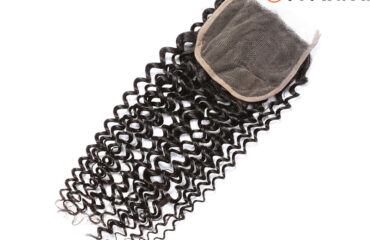
How Are Human Hair Wigs Made

Human hair wigs are highly sought-after for their natural appearance, versatility, and durability. These wigs are crafted through meticulous processes to ensure they meet the diverse needs of users. Understanding how human hair wigs are made provides insight into the craftsmanship and care behind their creation. Below is a comprehensive look at the process.
1. Sourcing Raw Hair
The journey starts with sourcing high-quality human hair. Hair donors are typically from countries where people have long, healthy, and untreated hair. Donors voluntarily sell their hair, often as part of cultural or religious practices. The most prized type of human hair is virgin hair, which has never been chemically treated or dyed. A popular choice for many wig brands, including SISHAIR, is Remy hair. This type of hair has intact cuticles aligned in one direction, reducing tangling and maintaining a natural appearance.
2. Cleaning and Sanitizing Hair
Once the hair is collected, it undergoes a rigorous cleaning and sanitizing process. The hair is washed with gentle shampoos to remove dirt, oil, and any potential lice or nits. This step ensures the hair is hygienic and safe to use. Some manufacturers may treat the hair with mild conditioners to enhance its softness and shine.
3. Sorting and Bundling
After cleaning, the hair is sorted by length, texture, and quality. This meticulous sorting ensures the wigs look uniform and natural when crafted. Hair is bundled into groups according to its specifications. For instance, straight, wavy, and curly textures are separated to cater to different wig styles.
| Key Sorting Criteria | Description |
|---|---|
| Length | Grouped by short, medium, long |
| Texture | Straight, wavy, or curly |
| Quality | Virgin, Remy, or non-Remy |
4. Dyeing and Coloring
Although virgin hair is often used in its natural state, some manufacturers dye the hair to achieve a wider range of colors. Hair dyeing involves a delicate process to maintain the strand’s integrity and prevent damage. Industry-leading brands like SISHAIR ensure that the hair is dyed uniformly and that the colors are long-lasting. Advanced techniques, such as balayage or ombre effects, may also be applied for custom or trendy looks.
5. Creating the Wig Base
The wig base, or cap, serves as the foundation for attaching the hair. Caps are made from materials like lace, monofilament, or silk, depending on the desired comfort level and style. A lace front wig, for instance, uses fine lace at the front for a seamless hairline, while full lace wigs provide versatility for various hairstyles. The base is carefully designed to fit securely and comfortably on the wearer’s head.
6. Hand-Tying or Machine Sewing
Human hair wigs can either be hand-tied or machine-sewn. Hand-tied wigs are crafted by knotting individual strands of hair onto the base. This process allows for a natural flow and movement of the hair. In contrast, machine-sewn wigs involve stitching wefts of hair onto the cap using a sewing machine. Hand-tied wigs are often more labor-intensive and expensive but offer superior realism, making them a preferred choice for premium brands like SISHAIR.
| Wig Construction Method | Characteristics |
|---|---|
| Hand-Tied | Individual strands knotted; more natural |
| Machine-Sewn | Faster production; uses hair wefts |
7. Cutting and Styling
Once the hair is attached to the base, stylists cut and shape the wig to create the desired look. Whether it’s a sleek bob, cascading waves, or a layered cut, this step ensures the wig matches the client’s preferences. Advanced techniques, such as thinning or texturizing, may also be used to give the wig a more realistic appearance.
8. Quality Control and Final Touches
Before a wig is shipped to customers, it undergoes a thorough quality control process. This involves checking for consistent hair density, proper alignment, and overall craftsmanship. The goal is to ensure the wig meets high standards of durability and aesthetic appeal. Brands like SISHAIR often apply finishing touches, such as conditioning treatments, to enhance the wig’s softness and shine.
9. Packaging and Distribution
After passing quality control, the wigs are carefully packaged to maintain their shape and quality during transit. High-end brands ensure their packaging is protective yet visually appealing. The wigs are then distributed to salons, retailers, or directly to customers.
Conclusion
The process of making human hair wigs is a blend of art, science, and precision. From sourcing raw hair to crafting a flawless wig, each step is essential to achieving the final product that meets the expectations of users. Brands like SISHAIR exemplify the dedication and expertise required to create wigs that are not only beautiful but also functional. By understanding what goes into making a human hair wig, consumers can better appreciate the craftsmanship and care behind these versatile hairpieces.