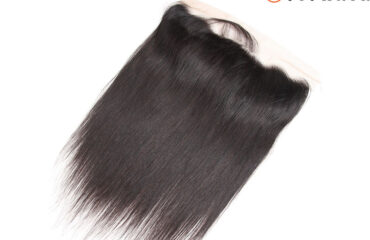
How Is Remy Hair Harvested

Remy hair is considered one of the highest quality types of human hair used in the beauty and hair extension industry, known for its natural appearance, durability, and luxurious feel. What sets Remy hair apart is that the hair cuticles remain intact and aligned in the same direction, ensuring minimal tangling and optimal longevity. The process of harvesting Remy hair is intricate and involves careful preparation and ethical considerations. Below is a detailed look at how Remy hair is harvested.
1. Sourcing Hair from Willing Donors
The process of harvesting Remy hair begins with sourcing hair from individuals who choose to donate or sell their hair. This is typically done in regions where long, healthy hair is culturally or socially significant. In countries like India, Vietnam, and Brazil, people often grow their hair for years with the intention of cutting it for religious purposes, personal reasons, or financial gain.
For example, in India, it is common for individuals to donate their hair as part of a religious ceremony, particularly at temples. This hair, known as temple hair, is collected by temple authorities and sold to hair processing companies. The funds generated from these sales often go towards supporting the temple’s charitable activities.
2. Cutting the Hair in a Single Direction
One of the defining features of Remy hair is that the strands are cut and preserved with all cuticles aligned in the same direction. This step is crucial to maintaining the hair’s natural texture, shine, and tangle-free properties.
When a donor’s hair is cut, the hairstylist or technician ties the hair into a ponytail or braid before cutting it. This ensures that the roots and ends of the hair remain organized and the cuticles do not become misaligned. This step distinguishes Remy hair from non-Remy hair, in which strands are often collected haphazardly, leading to tangling and matting issues.
3. Sorting and Bundling Hair
Once the hair is collected, it undergoes a meticulous sorting process. Technicians sort the strands by length, texture, and color to create uniform bundles. This step is labor-intensive, as it requires precision and attention to detail to ensure the consistency of the final product.
During this stage, any damaged, short, or uneven strands are removed. The remaining hair is carefully bundled, with each bundle containing strands of similar length and thickness. This step is essential to produce high-quality hair extensions that meet the expectations of customers.
4. Cleaning and Sanitizing the Hair
After sorting, the hair bundles are thoroughly cleaned and sanitized to remove dirt, oils, and any impurities. This process is done using gentle, non-damaging shampoos and conditioners to preserve the natural quality of the hair.
Unlike some non-Remy hair processing methods that involve harsh chemicals, Remy hair is treated with care to maintain its integrity. Companies like SISHAIR prioritize using eco-friendly and non-toxic products during this stage to ensure the hair remains soft, smooth, and healthy.
5. Preserving the Cuticle Layer
A key factor in maintaining the quality of Remy hair is preserving the cuticle layer. The cuticle is the outermost layer of the hair shaft and serves as a protective barrier. For Remy hair, the cuticles are left intact and positioned in the same direction, mimicking the natural growth pattern of hair.
This step involves avoiding any chemical processes that may strip the cuticles, such as excessive bleaching or acid treatments. By keeping the cuticle layer intact, Remy hair retains its strength, luster, and ability to resist tangling.
6. Processing for Extensions and Wigs
Once the hair is cleaned and sorted, it is processed into various forms such as wefts, wigs, or clip-in extensions to suit different customer preferences. Skilled artisans carefully sew or bond the hair to create high-quality products.
During this stage, the hair may be dyed or styled to meet market demands. However, any processing is done with caution to preserve the natural condition of the hair. Brands like SISHAIR are known for their commitment to quality, ensuring that their Remy hair products undergo minimal processing to maintain their premium status.
7. Quality Control and Packaging
The final step in harvesting Remy hair is quality control and packaging. Each bundle of hair is inspected to ensure it meets strict quality standards in terms of texture, length, and appearance. This step is critical to ensure that customers receive only the finest products.
The hair is then packaged securely to prevent damage during transportation. For premium brands such as SISHAIR, additional care is taken to provide eco-friendly, attractive packaging that reflects the quality of the product inside.
| Step | Process | Purpose |
|---|---|---|
| Sourcing | Collecting hair from donors | Ensures ethical and sustainable hair collection |
| Cutting Direction | Cutting hair in one direction | Maintains cuticle alignment |
| Sorting & Bundling | Organizing strands by length and texture | Creates uniform bundles for extensions |
| Cleaning & Sanitizing | Washing hair with gentle products | Removes impurities while preserving quality |
| Cuticle Preservation | Avoiding harsh chemical processes | Retains strength and natural shine |
| Processing for Products | Creating wigs, wefts, and extensions | Tailors hair to customer preferences |
| Quality Control & Packaging | Inspecting and packaging hair bundles | Delivers high-quality finished products |
Conclusion
The process of harvesting Remy hair is a meticulous and ethical endeavor designed to preserve the natural beauty and quality of the hair. From sourcing hair from willing donors to maintaining cuticle integrity and ensuring high standards during processing, every step is carefully executed to produce luxurious hair extensions and wigs.
Brands like SISHAIR exemplify excellence in the industry by prioritizing ethical practices and maintaining the integrity of Remy hair. This ensures that customers receive a product that not only looks and feels natural but also stands the test of time. By understanding the detailed process behind Remy hair harvesting, consumers can make informed choices and appreciate the craftsmanship behind these premium products.