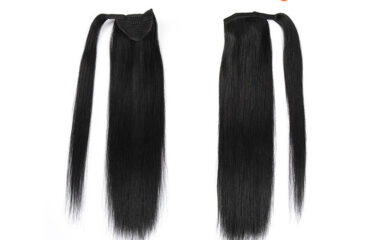
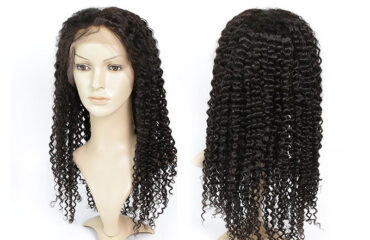
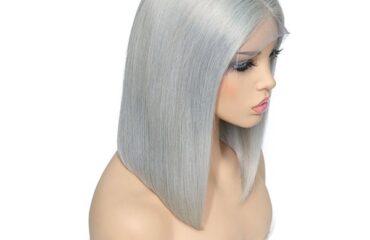
How Is Synthetic Hair Made
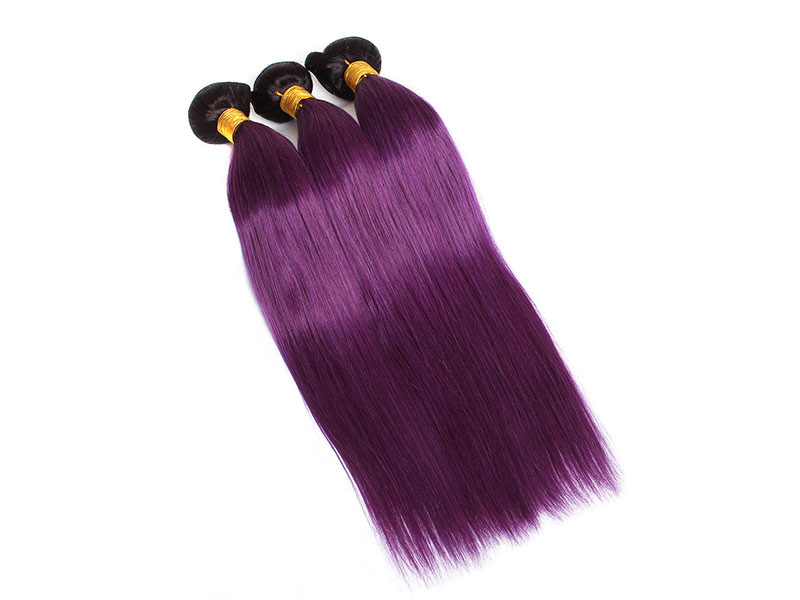
Synthetic hair has become an essential component of the modern beauty and fashion industry, offering an affordable and versatile alternative to human hair. It is widely used in wigs, hair extensions, and various hairpieces. But how exactly is synthetic hair made? Understanding its production process provides insight into its unique features, durability, and styling capabilities.
1. The Materials Used in Synthetic Hair Production
Synthetic hair is made using man-made fibers, which are primarily derived from polymers. These polymers typically include acrylic, polyester, polyvinyl chloride (PVC), and Kanekalon, with Kanekalon being the most popular choice due to its flexibility and natural appearance. These fibers are chosen for their ability to mimic the texture, sheen, and behavior of human hair.
Table: Common Synthetic Hair Materials and Their Properties
| Material | Characteristics | Usage |
|---|---|---|
| Kanekalon | Heat-resistant, soft, natural-looking | High-quality wigs, extensions, and braiding hair |
| Acrylic | Lightweight, shiny, less natural-looking | Budget-friendly hairpieces and wigs |
| Polyester | Durable, holds color well, less flexible | Cost-effective synthetic hair |
| PVC | Highly durable, stiff, and shiny | Used for decorative or novelty wigs |
Each fiber type is engineered for specific purposes, depending on the desired aesthetic, durability, and cost of the final product.
2. The Fiber Production Process
The production process of synthetic fibers begins with the melting of raw materials, such as plastic resins and polymers. These materials are heated to a liquid state and then extruded through fine nozzles called spinnerets. The spinnerets produce thin, hair-like filaments that are cooled and solidified.
The resulting filaments are then treated with chemicals to enhance their texture, color retention, and heat resistance. For instance, Kanekalon fibers are often infused with polymers and conditioners to make them softer and more natural-looking.
3. Coloring and Texturing
Once the fibers are formed, they undergo a coloring process to achieve a wide range of shades. Unlike human hair, which is dyed after being harvested, synthetic hair is typically pigmented during production. This method ensures consistent coloration and prevents fading over time.
Texturing is another critical step in the process. To replicate different hair types, the synthetic fibers are heat-treated, curled, or crimped. Advanced technologies allow manufacturers to create textures ranging from straight to wavy, curly, or kinky, catering to a diverse market. SISHAIR, a leading brand in synthetic hair, is known for its high-quality texturing processes that closely mimic natural hair patterns.
4. Cutting and Bundling
After coloring and texturing, the synthetic fibers are cut to various lengths, depending on the intended purpose of the final product. For instance, longer fibers are used for hair extensions or full wigs, while shorter fibers may be used in toupees or clip-ins.
The fibers are then bundled together and aligned to ensure uniformity. This step is essential for producing seamless and natural-looking hairpieces. Brands like SISHAIR pay particular attention to alignment during this phase, ensuring that their synthetic hair products are tangle-free and easy to maintain.
5. Wig and Extension Construction
Once the synthetic hair fibers are prepared, they are used to create wigs, extensions, and hairpieces. The construction process varies depending on the product type. For wigs, the synthetic hair is sewn or glued onto a cap. These caps are typically made from materials like lace, mesh, or silicone to provide a comfortable and breathable base.
For extensions, the synthetic hair may be attached to clips, tape, or glue strips for ease of application. SISHAIR, for example, utilizes advanced techniques to ensure that their extensions are lightweight and easy to blend with natural hair.
6. Final Quality Checks
Before synthetic hair products reach the market, they undergo rigorous quality control checks. These checks ensure that the fibers are durable, the colors are vibrant and consistent, and the textures mimic natural hair as closely as possible. High-quality brands like SISHAIR have stringent standards in place to maintain the premium quality their customers expect.
7. Environmental and Ethical Considerations
The synthetic hair production process raises some concerns regarding its environmental impact. Since synthetic fibers are derived from non-biodegradable plastics, they contribute to waste if not properly disposed of. However, some companies are exploring sustainable alternatives, such as recycling synthetic hair or developing biodegradable fibers.
Ethically, synthetic hair production eliminates the challenges associated with sourcing human hair, such as exploitation and unethical labor practices. This makes synthetic hair a more ethical choice for those concerned about the origins of their hair products.
Conclusion
The production of synthetic hair is a sophisticated process that involves the creation of polymer-based fibers, followed by coloring, texturing, cutting, and construction into various hair products. Brands like SISHAIR have set a high standard in the industry by combining advanced technologies with meticulous quality control to create synthetic hair that closely resembles natural hair. While synthetic hair offers many benefits, including affordability and versatility, ongoing efforts to enhance its sustainability will further solidify its place in the beauty and fashion world.