How Long to Keep a Closure Sew In

A closure sew-in is a popular protective hairstyle, offering versatility, convenience, and a polished appearance. It combines the use of hair extensions and a closure piece, which covers and protects the natural hair while giving the illusion of a natural scalp. While this style is both functional and fashionable, knowing how long to keep a closure sew-in is crucial for maintaining healthy hair and scalp. Improper timing can lead to damage, while removing it too early may feel wasteful. This article will provide a detailed guide on how long you should keep a closure sew-in, factors to consider, and tips for maintenance.
1. Recommended Duration for a Closure Sew-In
On average, a closure sew-in should be kept in for 6 to 8 weeks. This is the ideal time frame that allows you to enjoy the style while also ensuring your natural hair and scalp remain healthy. Keeping the sew-in for longer than this period can lead to issues such as tangling, matting, or scalp irritation.
Below is a breakdown of the time frame based on the type of closure sew-in:
| Type of Sew-In | Recommended Duration |
|---|---|
| Standard Closure Sew-In | 6–8 weeks |
| Lace Closure Sew-In | 6–8 weeks |
| Silk Base Closure Sew-In | 6–8 weeks |
| HD Lace Closure Sew-In | 4–6 weeks (delicate lace) |
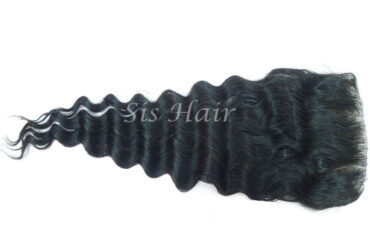
While an average of 6–8 weeks is standard, a high-quality hair closure, like one from SISHAIR, can sometimes last longer if properly applied and maintained.
2. Factors That Determine How Long You Can Keep a Closure Sew-In
The specific time frame for keeping a closure sew-in may vary depending on several factors. Below are some of the most important considerations:
a. Hair Growth Rate
Everyone’s hair growth rate is unique. On average, hair grows about half an inch per month. As your hair grows, the braids under your sew-in will loosen, causing the sew-in to shift and lose its natural appearance. Faster hair growth rates may require you to remove the sew-in sooner.
b. Scalp and Hair Health
If you have sensitive skin, a dry scalp, or underlying hair issues like alopecia or excessive shedding, it’s essential to monitor how your scalp feels while wearing a sew-in. Any signs of discomfort, itching, or irritation may indicate it’s time to remove the sew-in.
c. Quality of Closure and Extensions
The longevity of your closure sew-in also depends on the quality of the hair extensions and closure used. Closures from reputable brands like SISHAIR are designed to last longer and maintain their pristine appearance, allowing you to wear the sew-in for the full recommended duration without premature deterioration.
d. Installation Method and Maintenance Routine
How well your sew-in is installed and maintained plays a crucial role in its longevity. A professionally installed closure sew-in, combined with proper care, will last longer and look better throughout its wear.
3. Signs It’s Time to Remove Your Closure Sew-In
Even if you haven’t reached the 6–8 week mark, certain signs may indicate that your closure sew-in should be removed sooner:
- Loose Braids: If the foundation braids beneath your sew-in feel loose, it may cause the extensions to lose their secure fit.
- Itching or Discomfort: Persistent itching, irritation, or tenderness on the scalp are signs that the sew-in should be removed.
- Excessive Shedding or Tangling: If the extensions or closure begin to shed excessively or develop knots, it’s time to take them out.
- Noticeable Growth: If there’s significant hair growth, your sew-in may appear less natural and could tug on the new growth, causing tension.
4. Best Practices for Maintaining a Closure Sew-In
Proper maintenance is crucial to extending the life of your closure sew-in and preserving the health of your natural hair. Here are some essential tips:
a. Clean Your Scalp Regularly
While a sew-in is a protective style, your scalp still needs regular cleaning to prevent buildup. Use a gentle, sulfate-free shampoo and focus on your scalp. Avoid soaking the extensions and closure to prevent weakening the adhesive or thread.
b. Moisturize Your Hair and Scalp
Dry hair and scalp can lead to itching and breakage. Apply lightweight oils or leave-in conditioners to the scalp and braids to keep them hydrated.
c. Protect At Night
Wear a satin or silk bonnet or scarf to protect your sew-in while sleeping. This helps to reduce friction and maintain the style’s longevity.
d. Avoid Excessive Heat
If you’re styling your extensions, minimize the use of heat tools like flat irons or curling wands to prevent damage. Always use a heat protectant when applying heat to extensions.
e. Schedule Regular Check-Ins
If possible, schedule a check-in with your stylist halfway through the sew-in’s duration. They can ensure the style is still secure and address any minor issues before they worsen.
5. Post-Sew-In Care for Your Natural Hair
Once you remove your closure sew-in, it’s essential to properly care for your natural hair and scalp. This process ensures your hair remains healthy and strong, ready for your next style.
- Detangle Gently: Use a wide-tooth comb to gently detangle your hair, starting from the ends and working your way up.
- Deep Cleanse: Wash your hair thoroughly to remove any buildup from products, oils, or residue left behind from the sew-in.
- Deep Condition: Apply a nourishing deep conditioner to restore moisture and elasticity to your strands.
- Trim if Needed: If you notice split ends or breakage, consider trimming your hair to maintain its health.
- Let Your Hair Breathe: Avoid immediately installing another sew-in. Give your natural hair a break for at least 2–4 weeks before opting for another protective style.
Conclusion
A closure sew-in can be a stunning and convenient way to protect your natural hair while enjoying versatility in styling. However, knowing when to remove it is just as important as choosing the right closure and installation method. Sticking to the recommended 6–8 week duration, paying attention to the quality of products like those from SISHAIR, and following a diligent maintenance routine will ensure your sew-in looks fabulous while keeping your hair healthy. When in doubt, consult with a professional stylist to assess the condition of your sew-in and natural hair. With proper care, a closure sew-in can be a reliable and stylish protective hairstyle.