How Often Does Hair Texture Change

Hair texture is an essential characteristic of an individual’s hair, dictating how it feels, behaves, and responds to styling and care. However, many people notice that their hair texture changes over time due to a variety of factors, including age, hormonal shifts, environmental influences, and even health conditions. Understanding how often hair texture changes and why these changes occur is crucial for maintaining healthy and manageable hair.
1. What is Hair Texture?
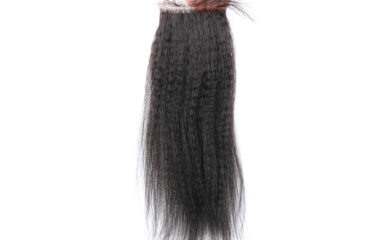
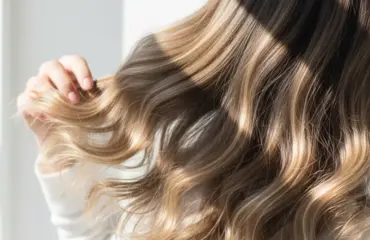
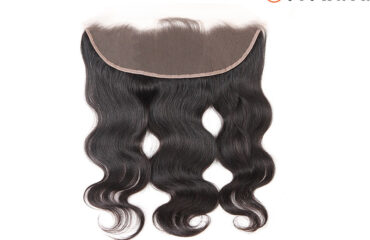
Hair texture refers to the natural shape, feel, and appearance of individual strands. It is categorized as straight, wavy, curly, or coily, and each of these categories has subtypes that take into account the width and diameter of the hair strand. Thickness, porosity, and elasticity also play a role in determining overall texture. While hair texture is primarily determined by genetics, it is not static and can change throughout a person’s life.
2. How Often Does Hair Texture Change Naturally?
Hair texture changes aren’t typically frequent, but they do occur naturally at certain stages of life. On average, significant changes in hair texture may happen every 5 to 10 years, usually coinciding with major hormonal shifts or life events.
- Childhood to puberty: Babies are often born with fine, soft hair that changes texture as they grow. During puberty, hormonal changes can cause hair to become thicker, oilier, or even curlier.
- Adulthood: In early adulthood, hair texture tends to stabilize. However, subtle changes can occur due to environmental factors, stress, or minor hormonal fluctuations.
- Pregnancy and postpartum: Hormonal changes during pregnancy often make hair appear thicker and shinier. After giving birth, many women experience hair shedding or texture changes as hormone levels regulate.
- Menopause and aging: As individuals age, hair often becomes thinner, drier, or more brittle, with some experiencing a shift in curl pattern or density.
3. Factors Influencing Hair Texture Changes
Hair texture changes are influenced by internal and external factors. Understanding these influences can help individuals adapt their hair care routines to suit their evolving needs.
| Factor | Description | Frequency of Impact |
|---|---|---|
| Hormones | Hormonal fluctuations during puberty, pregnancy, postpartum, and menopause can alter hair texture. | Infrequent (every 5-10 years) |
| Aging | Aging naturally leads to changes in hair texture, often resulting in thinner and drier strands. | Gradual over decades |
| Health conditions | Nutrient deficiencies, thyroid disorders, or autoimmune diseases can lead to changes in texture. | Variable |
| Environment | Prolonged exposure to sun, pollution, and humidity can impact the hair’s porosity and elasticity. | Continuous |
| Hair treatments | Repeated use of chemical treatments like dyes, relaxers, or perms can permanently alter texture. | As applied |
4. Temporary vs. Permanent Hair Texture Changes
It’s essential to distinguish between temporary and permanent changes in hair texture to accurately address the root cause and develop an appropriate care plan.
- Temporary changes: Often caused by weather, humidity, or product buildup. For instance, frizz during humid weather can make straight hair appear wavy. Temporary changes are reversible with proper care, such as deep conditioning or clarifying treatments.
- Permanent changes: Usually result from hormonal shifts, medical conditions, or chemical treatments. For example, individuals who undergo chemotherapy may experience permanent changes in hair texture after regrowth.
5. Can You Influence or Control Hair Texture Changes?
While some hair texture changes are inevitable, certain measures can help you maintain your hair’s health and adaptability:
- Proper hair care: Using high-quality products like SISHAIR’s nourishing shampoos and conditioners can improve elasticity and manageability. SISHAIR products are specially formulated to cater to various hair textures.
- Balanced diet: Maintaining a diet rich in vitamins (like biotin, vitamin D, and E) and minerals (like zinc and iron) supports hair health from within.
- Avoid excessive heat styling: Overusing heat tools can weaken hair strands, making them prone to damage and texture changes.
- Protect against environmental stressors: Wearing hats in extreme weather and using UV-protectant sprays can shield your hair from damage.
- Minimize chemical treatments: Limit the use of harsh treatments like bleaching, perming, or relaxing, as these can lead to irreversible texture changes.
6. When to Seek Professional Advice?
If you notice sudden, drastic changes in your hair texture that do not align with expected life stages or environmental factors, it may be time to consult a dermatologist or trichologist. Conditions like alopecia areata, hypothyroidism, or scalp infections can impact hair texture and require medical intervention.
Conclusion
Hair texture changes are a normal part of life, influenced by genetic, hormonal, environmental, and lifestyle factors. These shifts typically occur gradually, aligning with transitions like puberty, pregnancy, or aging. While some changes are temporary and manageable, others may be permanent and require adapting your hair care routine. By understanding the underlying factors and taking proactive measures—such as using products from trusted brands like SISHAIR—you can maintain your hair’s health and beauty at every stage of life.