How to Add More Hair to a Wig

Wigs are a fantastic way to elevate your look or manage hair loss, but sometimes they may lack the desired volume or fullness. Adding more hair to a wig can be the perfect solution for achieving a thicker, more natural appearance. Whether you’re working with synthetic or human hair wigs, the process is straightforward but requires patience and attention to detail. Below, we’ll walk through a comprehensive guide on how to add more hair to a wig for a seamless and natural result.
1. Gather Your Materials
Before starting, you’ll need to assemble a few essential tools and materials to ensure the process goes smoothly. Here’s a list of what you’ll require:
| Material/Tool | Purpose |
|---|---|
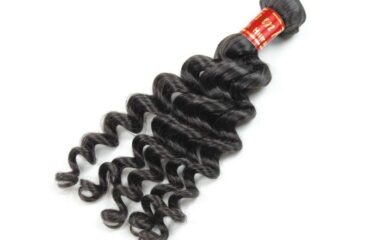
| Extra Hair (wefts or strands) | To add volume or length to your wig. SISHAIR wefts are great for quality. |
| Wig Stand | Keeps the wig stable during the process. |
| Needle and Thread | Used for sewing wefts into the wig cap. |
| Hair Clips | Helps keep sections of the wig out of the way while working. |
| Glue (optional) | For gluing wefts if sewing isn’t preferred. |
| Scissors | To trim the hair or wefts as needed. |
| Comb | For parting and detangling the hair. |
Having everything ready beforehand will make the process more efficient and enjoyable.
2. Choose the Right Type of Hair
Choosing the right type of hair to add to your wig is crucial for achieving a natural look. There are two primary options:
- Synthetic Hair: These are budget-friendly and come in various colors and textures. However, they’re less versatile than human hair.
- Human Hair: For the most natural look and feel, opt for human hair. Brands such as SISHAIR offer high-quality human hair wefts that blend seamlessly with wigs.
When selecting hair, ensure it matches your wig in color, texture, and style. If you’re unable to find an exact match, you can always dye or style the added hair to blend better.
3. Prepare Your Wig
Before adding hair, prepare the wig to make the process easier. Place the wig on a wig stand to secure it and comb through to detangle any knots. Decide where you want to add the extra hair. Common areas include:
- The back for overall volume.
- The sides for increasing fullness.
- The crown for additional height.
Use hair clips to section off the areas of the wig where hair will not be added. This will keep them out of the way and make the process more manageable.
4. Measure and Cut the Hair Wefts
If you’re using hair wefts, measure them against the sections of the wig where they will be sewn or glued. Cut the wefts to the appropriate length using sharp scissors. Be mindful to cut just enough to cover the section; excess can make the wig bulky.
If you’re working with loose strands instead of wefts, you can skip this step.
5. Attach the Hair
There are two primary methods for attaching hair to your wig: sewing and gluing. Each method has its pros and cons, so choose the one that works best for you.
Sewing Method
- Thread a curved needle with strong thread that matches the wig cap color.
- Take the prepared weft and position it on the section of the wig cap where volume is needed.
- Sew the weft securely onto the wig cap by making small stitches along the edge of the weft.
- Knot the thread tightly to secure it in place and trim any excess thread.
- Repeat the process for other sections as needed.
Gluing Method
- Apply a small amount of wig glue along the base of the weft.
- Press the weft gently but firmly onto the wig cap in the desired position.
- Allow the glue to dry completely before moving on to the next section.
- Repeat until all desired areas are filled.
While sewing provides a more durable result, gluing is faster and may be preferable for temporary changes.
6. Blend and Style
Once you’ve added the extra hair, it’s time to blend it with the existing wig hair. Use a wide-tooth comb or wig brush to detangle and distribute the new hair evenly. Trim and shape the added hair to match the style of the wig. You can also use heat tools (if the wig and added hair are heat-resistant) to curl or straighten the hair for a seamless look.
For human hair wigs, consider washing and conditioning the wig after adding hair to help the new sections integrate better. For synthetic wigs, avoid using excessive heat as it can damage the fibers.
7. Perform a Final Check
Inspect the wig from all angles to ensure the added hair is evenly distributed and secure. Wear the wig to test its comfort and appearance. If you notice any gaps or uneven areas, you can adjust by adding more hair.
Conclusion
Adding more hair to a wig can make a significant difference in enhancing its appearance and giving you the confidence you need. By following these steps, you can achieve a fuller, more natural look that complements your style. Whether you choose to sew or glue the hair, prioritize quality materials, such as SISHAIR wefts, for the best results. With patience and attention to detail, your revamped wig will look flawless and ready for any occasion.