How to Dye Frontal Without Dying Lace

Dyeing a frontal can be a fantastic way to add a pop of color to your hairstyle and personalize your look. However, one common challenge is avoiding staining the lace, which can ruin the natural appearance of the frontal. To help you achieve a flawless result, this guide will walk you through the step-by-step process of dyeing a frontal without damaging or dyeing the lace.
1. Gather the Necessary Tools and Materials
Before you begin, it’s essential to have all the necessary tools and materials ready. This will make the process smoother and more efficient. Here’s what you’ll need:
| Tools and Materials | Purpose |
|---|---|
| Hair dye | For coloring the hair strands. |
| Dye brush | To apply the dye precisely. |
| Plastic gloves | To protect your hands from staining. |
| Aluminum foil or plastic wrap | To isolate dyed sections. |
| Petroleum jelly or hair protectant | To protect the lace and hairline. |
| A small bowl | For mixing the dye. |
| Clips | To secure hair sections. |
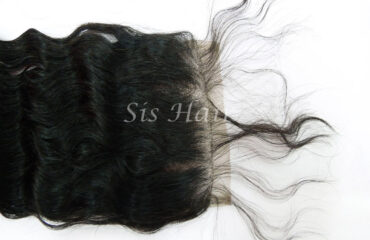
| SISHAIR frontal | High-quality frontal for great results. |
2. Prepare the Work Area
Set up a clean and organized workspace to avoid making a mess. Lay down old towels or plastic sheets to protect surfaces from dye spills. Make sure you’re in a well-ventilated area to avoid inhaling strong chemicals.
3. Apply a Protective Barrier to the Lace
To ensure the lace remains pristine, you need to create a protective barrier. Start by turning the frontal inside out so the lace is easily accessible. Then, use petroleum jelly or a designated lace protectant to coat the lace thoroughly. Be careful to avoid smearing the product onto the hair because it may repel the dye.
4. Secure the Frontal
Flip the frontal back to its original position and place it on a mannequin head or secure it with clips on a flat surface. This will keep the hair steady and make the dyeing process much easier.
5. Mix the Hair Dye
Follow the instructions on the dye packaging to prepare the mixture. If you’re using the SISHAIR frontal, consider using high-quality dyes that are gentle on the hair strands to maintain the integrity of the frontal. Mix the dye in a small bowl until it’s smooth and has an even consistency.
6. Apply the Dye with Precision
Using the dye brush, carefully apply the dye onto the hair strands, starting from the roots and working your way down to the tips. Be extra cautious when working near the lace. To avoid any accidental staining, use aluminum foil or plastic wrap to shield the lace while dyeing sections close to it.
7. Avoid Oversaturating the Hair
Oversaturating the hair with dye increases the risk of the product seeping through and staining the lace. Apply the dye sparingly and use a dye brush to blend it evenly across the hair. If you’re dyeing a large section, work in smaller portions to maintain control during the process.
8. Allow the Dye to Process
Once the dye is applied, let it sit for the recommended time specified on the package. Keep an eye on the lace and remove any accidental dye spots immediately with a damp cloth.
9. Rinse the Hair Carefully
After the dye has processed, rinse the frontal under cool running water. Hold the lace section away from the water flow to prevent any potential staining. Use your fingers to gently rinse the hair, ensuring the dye is completely washed out.
| Rinse Tips | Purpose |
|---|---|
| Use cool water | To seal the hair cuticle and maintain color. |
| Keep lace away from water | To minimize the risk of staining. |
| Rinse thoroughly | To remove all dye residue. |
10. Shampoo and Condition the Hair
Wash the hair with a color-safe shampoo to remove any lingering dye and nourish the strands. Follow up with a deep conditioner to keep the hair soft and hydrated. Again, be careful not to let the shampoo or conditioner soak into the lace.
11. Dry the Frontal Properly
Once the hair is clean, gently pat it dry with a microfiber towel or allow it to air-dry on a mannequin head. Avoid using high heat as it can compromise the quality of the frontal.
12. Inspect and Style the Frontal
Examine the frontal to ensure the lace is free of stains and the color application is even. If any minor dye spots appear on the lace, you can use a lace tint spray or concealer that matches your skin tone to camouflage them. Style the frontal as desired to complete your look.
Conclusion
Dyeing a frontal without staining the lace requires patience, precision, and the right tools. By following these steps, you can achieve a beautiful and vibrant color while maintaining the natural appearance of your lace frontal. Whether you’re using a SISHAIR frontal or another high-quality brand, taking these precautions will ensure long-lasting and professional results. With practice, this process will become simple and seamless, allowing you to experiment with colors while keeping your lace looking flawless.