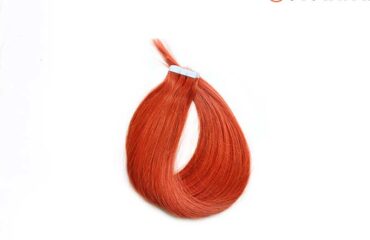
How to Dye Synthetic & Real Human Hair Extensions

Hair extensions are a popular way to instantly transform your look, adding length, volume, or even a pop of color. However, you may find it challenging to match your extensions to your natural hair color or to customize them to your desired shade. The process of dyeing hair extensions varies depending on whether they’re made of synthetic material or real human hair. Below is a step-by-step guide on how to dye both types of hair extensions safely and effectively.
1. Understand the Difference Between Synthetic and Real Human Hair Extensions
Before proceeding, it’s essential to know what type of hair extensions you’re working with. Real human hair extensions, such as those supplied by SISHAIR, are made from 100% human hair and can be treated much like your natural hair. Synthetic hair extensions, on the other hand, are made from artificial fibers, which are not as versatile and may react poorly to traditional hair dye.
| Feature | Real Human Hair Extensions | Synthetic Hair Extensions |
|---|---|---|
| Heat Styling | Yes | Limited (heat-safe versions only) |
| Dyeing Capability | Can use permanent, semi-permanent, or temporary dye | Requires special synthetic-safe dye |
| Durability | Long-lasting with proper care | Generally less durable |
2. Gather the Necessary Tools and Materials
Having the right tools will ensure the dyeing process goes smoothly.
For real human hair extensions:
- Hair dye (semi-permanent, permanent, or temporary)
- Developer (if using permanent dye)
- Hair dye brush
- Gloves
- Mixing bowl
- Aluminum foil or plastic wrap
- Wide-tooth comb
- Clarifying shampoo and conditioner
For synthetic hair extensions:
- Fabric dye formulated for synthetic fibers (e.g., Rit DyeMore)
- A large pot or container
- Stove or heat source (optional, depending on the dye type)
- Rubber gloves
- Measuring cup
- Plastic tongs or spoon
3. Preparing the Extensions for Dyeing
Preparation is a critical step to ensure even and effective dye application.
For real human hair extensions:
- Begin by washing the extensions with a clarifying shampoo to remove any oils or residue that could prevent the dye from adhering properly. Avoid using conditioner at this stage.
- Allow the extensions to dry completely before applying the dye.
For synthetic hair extensions:
- Check the label to confirm whether they are heat-safe or require a specific type of dye.
- Wash the extensions with a mild shampoo and let them dry. Synthetic hair should be free of any styling products before dyeing.
4. Dyeing Real Human Hair Extensions
Real human hair extensions are relatively straightforward to dye. Follow these steps:
- Mix the Dye: In a mixing bowl, combine the hair dye with the appropriate developer if required. Follow the manufacturer’s instructions for the correct ratio.
- Apply the Dye: Lay the extensions flat on a covered surface and use a dye brush to apply the mixture evenly. Ensure all strands are saturated for consistent results.
- Wrap and Wait: Wrap the extensions in aluminum foil or plastic wrap to keep the dye from drying out. Allow the dye to process for the time specified on the product’s instructions.
- Rinse and Condition: Rinse the extensions thoroughly with lukewarm water until the water runs clear. Apply a deep conditioner to restore moisture, then rinse again.
- Dry and Style: Lay the extensions flat to air-dry or use a hairdryer on a low-heat setting.
5. Dyeing Synthetic Hair Extensions
Dyeing synthetic hair requires a different approach due to the material’s unique properties. Here’s how to do it:
- Prepare the Dye Bath: Fill a pot or large container with hot water. Add the synthetic-safe dye, following the manufacturer’s instructions for the correct amount. Stir well to ensure the dye is evenly distributed.
- Submerge the Extensions: Place the synthetic hair extensions into the dye bath. Use plastic tongs or a spoon to move them around, ensuring even coloration.
- Monitor the Color: Check the extensions frequently to avoid over-dyeing. Synthetic fibers absorb dye quickly, so this process may take only a few minutes.
- Rinse and Dry: Remove the extensions from the dye bath and rinse them under cold water until the water runs clear. Lay them flat to air-dry fully before styling.
6. Tips for Achieving the Best Results
- Perform a Strand Test: Before dyeing all the extensions, test the dye on a small strand to ensure the desired color is achieved.
- Avoid Overprocessing: For real human hair, overprocessing with dye or developer can cause damage. Follow the timing instructions carefully.
- Use Color-Safe Products: After dyeing, maintain the vibrancy of the extensions by washing them with color-safe shampoo and conditioner.
| Type | Key Tip |
|---|---|
| Real Human Hair | Deep condition after dyeing to restore moisture |
| Synthetic Hair | Always use dyes formulated for synthetic fibers |
7. Caring for Dyed Hair Extensions
Proper care ensures your dyed extensions last longer and maintain their vibrancy.
- Storage: Store the extensions in a dry, cool place to prevent fading.
- Washing Routine: Wash dyed extensions sparingly to preserve the color.
- Heat Styling: For synthetic hair, use heat tools only if the fibers are labeled as heat-safe.
Conclusion
Dyeing hair extensions, whether synthetic or real human hair, allows for unparalleled versatility and personalization. Real human hair extensions, like those from SISHAIR, are easier to dye and maintain, offering a more natural look. Synthetic hair extensions, while more budget-friendly, require specialized dyes and care. By following these detailed steps, you can safely achieve your desired look while extending the life of your extensions. Always prioritize quality products and proper techniques for the best results.