How to Glue in Hair Extensions on a Wig Cap

Hair extensions can transform an ordinary wig into a voluminous and luxurious masterpiece, providing endless styling possibilities. Gluing in hair extensions onto a wig cap is an accessible method for those who want to customize their wigs without professional assistance. By following the right techniques and using quality products, such as SISHAIR extensions, you can achieve a seamless and natural-looking finish. This guide will walk you through the process step by step.
1. Gather Your Materials
Before you begin, ensure you have all the necessary tools and supplies to complete the process efficiently. Here’s a checklist:
| Item | Purpose |
|---|---|
| Wig cap | Acts as the base for gluing extensions. |
| Hair extensions | Use SISHAIR extensions for quality and durability. |
| Hair glue or adhesive | To attach the extensions to the wig cap. |
| Scissors | For trimming and shaping the extensions. |
| Glue applicator (optional) | Ensures precise glue application. |
| Comb or brush | To detangle and style the hair. |
| Mannequin head | Provides a stable base for working. |
| Clips or pins | Keeps extensions and wig cap in place. |
Having everything ready before starting will make the process smoother and more enjoyable.
2. Prepare the Wig Cap
Begin by setting up the wig cap on a mannequin head. This will provide a stable and realistic foundation for attaching the extensions. Use clips or pins to secure the wig cap so it doesn’t shift while you’re working.
If your wig cap has a specific parting or desired design, mark it with a fabric marker. This will help you place the extensions in the correct areas, ensuring a natural and balanced look.
3. Select Your Extensions
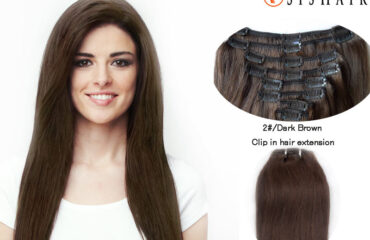
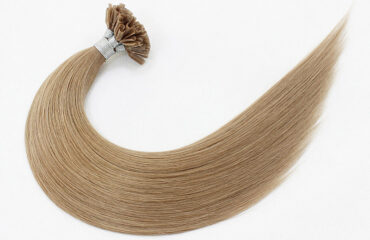
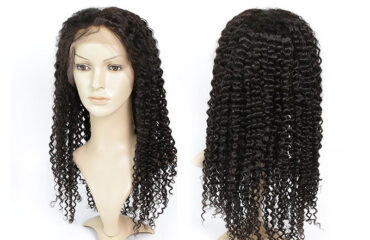
Choosing the right hair extensions is essential for achieving the desired outcome. SISHAIR offers a variety of extensions in different textures, lengths, and colors that blend seamlessly with natural hair or synthetic wigs. Decide whether you want a straight, wavy, or curly look and select the appropriate extensions.
For a more natural finish, opt for extensions that closely match the color of your wig cap or intended wig style. If you’re creating a custom-colored wig, consider dyeing the extensions in advance to avoid uneven results.
4. Measure and Cut the Extensions
Measure the width of the wig cap’s base in sections, starting at the nape. Cut your extensions into strips that match these measurements. Work section by section, moving upward toward the crown. This ensures even distribution of hair and prevents overcrowding.
Here’s a simple guide for measuring and cutting:
| Section | Suggested Width of Extensions |
|---|---|
| Nape Area | Narrower strips (2-3 inches) |
| Midsection | Medium strips (4-5 inches) |
| Crown Area | Wider strips (5-6 inches) |
Remember to cut carefully and keep the wefts intact to avoid hair shedding.
5. Apply the Glue
Using a quality adhesive is critical for durability and holding power. Hair glue is commonly used for this purpose, as it bonds securely without damaging the extensions or the wig cap.
- Take a strip of your pre-cut extensions.
- Apply a thin, even layer of glue to the weft (the stitched edge of the extension). Be cautious not to use too much glue, as this can cause clumping or seep through the wig cap.
- Wait a few seconds for the glue to become tacky. This improves adhesion and prevents slipping.
For precise application, a glue applicator may come in handy. It allows you to control the amount of glue used and reduces mess.
6. Attach the Extensions to the Wig Cap
Starting at the nape, press the glued weft firmly onto the wig cap. Hold it in place for a few seconds to ensure it sticks. Use gentle pressure to avoid damaging the wig cap or the extensions.
Work your way upward, attaching each strip of extensions in horizontal rows. Overlap the wefts slightly to create a full, natural appearance, but avoid placing them too close together, as this can make the wig bulky and heavy.
Here’s a layering tip:
- Place smaller wefts at the nape and sides for a tailored fit.
- Use wider wefts at the crown for volume and coverage.
7. Allow the Glue to Set
Once all the extensions are attached, leave the wig on the mannequin head for several hours to let the adhesive cure fully. This step is crucial for ensuring that the extensions stay in place during styling and wear. Refer to the glue manufacturer’s instructions for the optimal drying time, as it can vary between products.
8. Trim and Style the Wig
After the glue has dried, it’s time to shape and style the wig. Use scissors to trim the extensions and create the desired length and layers. You can also use a flat iron, curling iron, or brush to style the hair.
For a polished look, ensure the hairline and parting appear natural. If needed, add baby hairs or blend the extensions with the wig cap for a more realistic effect.
9. Perform a Final Check
Examine the wig carefully to ensure all extensions are securely attached and there are no visible gaps. Run your fingers through the hair to check for loose wefts. If you find any areas that need reinforcement, apply a small amount of glue and press firmly.
Conclusion
Gluing in hair extensions onto a wig cap is a rewarding process that allows you to create a fully customized wig tailored to your preferences. By following this step-by-step guide and using high-quality extensions like SISHAIR, you can achieve professional-looking results at home. With patience and attention to detail, your wig will not only look stunning but also provide long-lasting wear and style versatility.