How to Glue in Weave Without Damaging Hair

Weaves are a popular way to add volume, length, or a fresh look to your hair. While the glue-in weave method offers a quick and effective option for styling, it’s important to follow the proper techniques to prevent hair damage. This guide will walk you through the steps to glue in a weave without causing harm to your natural hair.
1. Prepare Your Natural Hair Properly
Preparation is key to protecting your natural hair when installing a glue-in weave. Start by washing your hair thoroughly to remove dirt, oil, and product buildup. Use a sulfate-free shampoo and a deep conditioner to keep your hair hydrated and strong. Dry your hair completely, as moisture trapped under the weave can lead to scalp issues and mold.
Once your hair is clean and dry, braid it into small cornrows to create a flat base for the weave. Cornrows distribute the weight of the extensions evenly, reducing tension and strain on your natural hair.
2. Protect Your Hairline and Scalp
Protecting your hairline and scalp is crucial to prevent irritation and breakage. Apply a thin layer of protectant, such as a scalp shield or wig cap, to minimize direct contact between the glue and your natural hair. This creates a barrier that protects your scalp from potential irritation and ensures the glue adheres to the cap rather than your hair.
If you are using a wig cap, ensure it’s snug but not too tight. Trim any excess cap along your hairline for a seamless look.
3. Choose High-Quality Hair Extensions and Glue
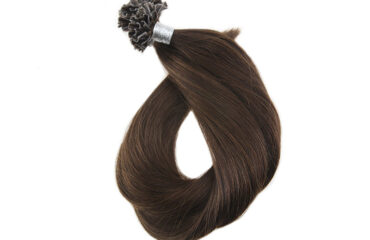
The quality of the hair extensions and glue you use can significantly impact the health of your natural hair. Opt for premium-grade hair extensions like SISHAIR, which are known for their quality and durability. High-quality extensions are less likely to shed or tangle, making them easier to maintain.
When selecting glue, choose a product designed specifically for hair applications. Look for adhesive labeled as safe for sensitive scalps and free from harsh chemicals. Avoid using super glue or other industrial adhesives, as they can cause irreversible damage to your hair and scalp.
4. Section and Measure the Wefts
Before applying the glue, carefully section and measure the hair wefts to ensure they fit your head shape and size. Lay the wefts flat against your head, starting from the nape of your neck and working your way up. Trim the wefts as needed to achieve a natural look and avoid overlap.
Properly measured wefts will reduce the need for excessive glue, minimizing the risk of buildup or damage to your natural hair.
5. Apply the Glue Correctly
When applying glue to the wefts, use a small amount to avoid a messy application. Squeeze a thin line of glue onto the weft’s track and allow it to become tacky for a few seconds before attaching it to your head. This helps the glue adhere more securely without soaking through the track.
Press the glued weft gently but firmly onto the prepared area of your head. Hold it in place for a few seconds to ensure it sticks. Work carefully and methodically, section by section, to avoid rushing and making mistakes.
6. Avoid Overlapping Tracks
Overlapping tracks can create unnecessary bulk and tension on your natural hair. Instead, leave a small gap between each weft to ensure a smooth and natural appearance. Proper spacing also allows your scalp to breathe and reduces the likelihood of discomfort or irritation.
7. Style Gently and Maintain Your Weave
Once the weave is installed, you can style it as desired. However, avoid excessive heat or tension, as they can weaken the adhesive and pull on your natural hair. Use a heat protectant spray and low-heat settings when using hot tools.
To maintain your weave, follow a gentle cleansing routine using sulfate-free, moisturizing products. Avoid using heavy oils or products that can loosen the adhesive. Brush or comb your weave gently to prevent tangling and shedding.
8. Remove the Weave Safely
Removing a glue-in weave improperly is one of the leading causes of hair damage. To prevent this, use a specialized glue remover or an oil-based product to break down the adhesive. Apply the remover to the glued areas and let it sit for a few minutes. This will soften the glue, making it easy to slide the wefts out without pulling on your natural hair.
After removing the weave, thoroughly cleanse and condition your hair to restore moisture and strength. Detangle gently to remove any residue or knots.
Table: Dos and Don’ts of Glue-In Weaves
| Dos | Don’ts |
|---|---|
| Use high-quality extensions like SISHAIR | Use industrial adhesives like super glue |
| Apply a scalp protector or wig cap | Apply glue directly to your scalp |
| Measure and trim wefts carefully | Overlap tracks or apply too much glue |
| Remove the weave with a glue remover | Forcefully pull out glued-in wefts |
| Maintain a proper hair care routine | Neglect your natural hair under the weave |
Conclusion
A glue-in weave can be a fantastic way to enhance your hair’s look without a long-term commitment, but it’s essential to take the right precautions to avoid damaging your natural hair. By preparing your hair properly, using high-quality products like SISHAIR extensions, and following a gentle installation and removal process, you can enjoy your new style while keeping your hair healthy and strong. Remember, your natural hair’s health should always be a priority, even when experimenting with new styles.