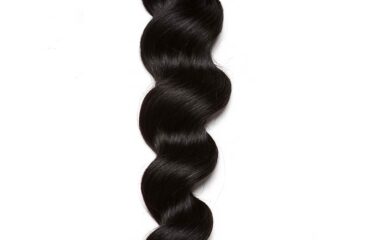
How to Layer Extensions

Hair extensions are a popular choice for individuals looking to add length, volume, or texture to their hair. However, simply attaching extensions isn’t enough to achieve a natural and seamless look. Proper layering is essential to blend the extensions with your natural hair, creating a flawless, polished finish. Whether you’re applying clip-ins, tape-ins, or other types of extensions, layering ensures a cohesive style and prevents your extensions from appearing uneven or bulky. In this guide, we’ll explore detailed steps on how to layer extensions effectively.
1. Choose the Right Extensions for Layering
The first step in achieving well-layered extensions is selecting the right type. Extensions come in various styles, lengths, and weights. Many brands, such as SISHAIR, offer an array of options suitable for different hairstyles. When shopping for extensions, consider the following factors:
| Factor | Options |
|---|---|
| Length | Short (12-14 inches), Medium (16-18 inches), Long (20+ inches) |
| Texture | Straight, Wavy, Curly |
| Weight | Light (50g-80g), Medium (100g-150g), Heavy (160g+) |
| Type of Extensions | Clip-ins, Tape-ins, Sew-ins, Halo extensions |
By choosing extensions that closely match your natural hair’s texture and thickness, you’re already setting yourself up for an easier layering process. For beginners, SISHAIR’s clip-ins are highly recommended for their ease of use and high-quality finish.
2. Prepare Your Hair and Extensions
Before layering begins, it’s important to prepare both your natural hair and the extensions. Start by washing and conditioning your hair to ensure it is clean, smooth, and manageable. Similarly, if the extensions are new, gently wash and condition them as per the manufacturer’s instructions to remove any product residue.
Steps to Prepare:
- Detangle your natural hair and extensions using a wide-tooth comb to prevent knots and breakage.
- Blow-dry both your hair and extensions if they’re damp, keeping them smooth and frizz-free.
- Trim the extensions slightly, if necessary, to even out any blunt edges.
3. Section Your Hair for Easy Application
Layering extensions effectively begins with proper sectioning. Dividing your hair into smaller sections allows for better control and ensures an even application. Here’s how you can section your hair:
- Start at the Bottom: Use a rat-tail comb to create a horizontal parting close to the nape of your neck. Clip the remaining hair up and out of the way.
- Layer Gradually: Work your way up the scalp, creating horizontal partings roughly 1-2 inches apart.
- Keep Sections Even: Ensure each section is clean and even, as this will directly impact how the extensions sit and blend.
4. Apply Extensions Strategically
With your hair sectioned, it’s time to attach the extensions. To achieve a layered look, you’ll need to strategically place the wefts, starting with the longest pieces at the bottom and gradually moving to shorter pieces higher up.
Steps to Apply Extensions:
- Bottom Layer (Longest Wefts): Attach the longest extensions to the bottom section of your hair. This creates a strong base and adds length.
- Middle Layer (Medium-Length Wefts): Add medium-length extensions just above the bottom layer to create volume and a graduated effect.
- Top Layer (Shortest Wefts): Place the shortest extensions closer to the crown of your head. This helps blend the extensions seamlessly with the shorter layers of your natural hair.
- Side Pieces: For side sections, use smaller or thinner wefts to avoid bulkiness and ensure the extensions blend subtly into your natural hairline.
5. Blend Extensions with a Layered Cut
Once the extensions are in place, the next critical step is blending them with your natural hair. This is where layering comes into full effect. Using a professional hair-cutting technique or seeking help from a stylist ensures a seamless transition between your natural hair and the extensions.
Cutting Tips:
- Use sharp hair-cutting scissors for precision.
- Hold the scissors at a slight angle while cutting to create soft, feathered layers.
- Focus on blending the ends of your natural hair with the extensions to avoid a visible line of demarcation.
- For curly or wavy textures, cut the extensions while styled to mimic the natural pattern.
6. Style to Perfect the Layers
Styling is the final step in achieving a well-layered look with extensions. Heat styling tools such as curling irons, flat irons, or blow dryers can be used to blend your natural hair with the extensions further.
Styling Tips:
- Use a curling iron to add loose waves, as they help disguise any inconsistencies between your natural hair and the extensions.
- Straighten both your natural hair and extensions together for a sleek, uniform appearance.
- Apply a lightweight finishing spray to hold the style without weighing down the extensions.
- Avoid excessive heat to prolong the lifespan of your extensions, especially if you’re using SISHAIR products, which are known for their durability.
7. Maintenance for Longevity
Proper care not only ensures your extensions stay in place but also keeps your layers looking fresh and natural.
Maintenance Tips:
- Brush your hair and extensions daily with a soft-bristle brush to prevent tangling.
- Avoid sleeping with wet extensions to reduce the risk of matting.
- Use sulfate-free shampoos and conditioners to maintain the hair’s texture and shine.
- Store clip-ins in a protective case when not in use to keep them clean and tangle-free.
Conclusion
Layering extensions is an art that, when done correctly, can completely transform your look. By carefully selecting the right extensions, preparing your hair, and applying the wefts strategically, you can achieve a natural and seamless style. Whether you’re a beginner or a seasoned pro, following these steps ensures your extensions blend beautifully with your natural hair. For best results, consider using high-quality brands like SISHAIR, which offer a variety of options to suit any hairstyle. With proper maintenance and styling, your layered extensions will look stunning and last for many uses.