How to Make a Weave Look Natural

Achieving a natural-looking weave is the ultimate goal for those who want to enhance their hair without it being obvious. A flawless weave seamlessly blends with your natural hair, giving you a boost of confidence while maintaining a realistic appearance. By paying attention to the techniques, hair type, and overall care, you can ensure that your weave looks undetectable. Here’s how to make a weave look natural.
1. Choose the Right Hair Texture
The first step in making your weave look natural is selecting a hair texture that matches your own hair. Whether you have straight, wavy, or curly hair, it’s essential to pick a weave that mimics your natural texture. For example, if your hair is naturally thick and coily, opting for a silky straight weave may create a noticeable contrast. SISHAIR offers a wide range of textures designed to blend effortlessly with various hair types, ensuring a flawless appearance.
2. Match the Color Perfectly
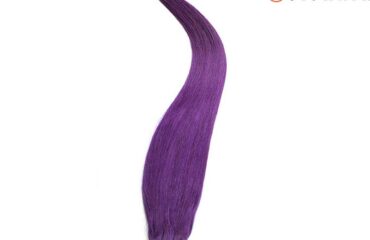
Color matching is crucial for a natural look. When purchasing a weave, compare its color to your own hair in natural light to ensure they match. If your natural hair falls between two shades, you can dye the weave to achieve a perfect match. Many brands, including SISHAIR, offer customizable hair bundles that can be dyed or toned to match your unique color.
3. Use High-Quality Human Hair
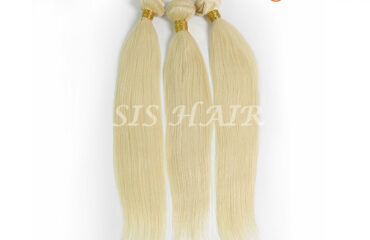
Synthetic hair often lacks the luster and movement of natural hair, making it easier to detect. Investing in high-quality human hair, such as that offered by SISHAIR, is a game-changer. Human hair weaves mimic the look and feel of natural hair, and they can be curled, straightened, or styled just like your own hair. This versatility makes it easier to blend with your natural strands.
4. Opt for a Lace Closure or Frontal
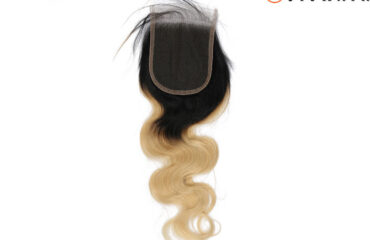
A lace closure or frontal can help create a seamless finish by mimicking the appearance of a natural scalp. These pieces are particularly useful for covering tracks and ensuring a clean hairline. To make it look even more realistic, bleach the knots on your lace to match your scalp color, and pluck the hairline to create a more natural density.
5. Leave Out Some Natural Hair
Leaving out a small section of your natural hair, especially around the hairline and parting area, is another way to make your weave look natural. This method works best when the weave closely matches your natural hair texture and color. Blend the leave-out with the weave by using flat irons, curling wands, or setting techniques.
6. Install the Weave Properly
The way a weave is installed can make or break its natural appearance. A poorly installed weave can look bulky or lumpy, which draws attention to it. Opt for a professional stylist with experience in weave installations, as they can ensure the tracks lie flat against your scalp. For a smoother finish, request a sew-in weave rather than glue-based methods.
7. Customize the Cut and Style
A natural-looking weave isn’t just about the hair texture and color—it’s also about the cut and style. After the weave is installed, have it trimmed and layered by a professional stylist to match your facial features and desired look. This customization helps the weave move and fall naturally, blending effortlessly with your hair.
| Key Styling Tips for Customization | Why It’s Important |
|---|---|
| Trim the ends | Prevents a blunt or unnatural look |
| Add layers | Creates movement and a flowing appearance |
| Shape around the face | Frames your face for a tailored fit |
8. Blend the Hairline
If you’re not using a lace closure or frontal, blending the edges of your hair with the weave is vital. Use edge control or styling gel to lay down your natural hairline, and consider using a soft-bristle toothbrush for precision. This technique ensures that the transition between your natural hair and the weave is smooth.
9. Care for Your Weave and Natural Hair
A neglected weave can lose its natural appearance quickly. Regular maintenance, such as washing, conditioning, and detangling, keeps it looking fresh and healthy. Additionally, don’t forget to care for your natural hair underneath. A dry or damaged scalp can lead to itching and discomfort, which may make the weave appear uneven or disheveled.
| Weave Care Routine | Frequency |
|---|---|
| Shampoo and condition | Every 1-2 weeks |
| Detangle gently | Daily or every other day |
| Moisturize natural hair underneath | Weekly |
| Protect at night | Use a silk scarf or bonnet |
10. Avoid Overstyling
While it’s tempting to heat-style your weave daily, excessive heat can damage the hair and reduce its lifespan. Use heat tools sparingly and always apply a heat protectant. Consider heat-free styling options, such as braiding or roller-setting, to achieve different looks without compromising the weave’s quality.
11. Choose the Right Density
The density of your weave is another factor to consider. If the weave is too thick or too thin compared to your natural hair, it may be obvious. Aim for a density that matches your hair type for a harmonious blend. SISHAIR offers bundles in various densities, allowing you to achieve your desired look without overwhelming your natural hair.
Conclusion
Making a weave look natural requires attention to detail at every step, from selecting the right hair type to proper installation and maintenance. By choosing high-quality human hair like SISHAIR, matching the texture and color, and customizing the cut and style, you can create a flawless, undetectable look. With the right care routine and styling techniques, a natural-looking weave can become a seamless part of your hair journey, boosting your confidence and enhancing your beauty.