How to Manufacture Hair Extensions

Hair extensions have become a popular way for individuals to add length, volume, and versatility to their hairstyle. Manufacturing hair extensions is a meticulous process that involves sourcing materials, applying specialized techniques, and adhering to quality standards. Below is a detailed guide on how to manufacture hair extensions effectively.
1. Sourcing Raw Hair Materials
The first and most crucial step in manufacturing hair extensions is sourcing high-quality raw hair materials. The primary types of hair used include human hair, synthetic fibers, or a blend of the two. Human hair, particularly virgin or Remy hair, is highly sought after for its natural look and durability.
Suppliers typically collect human hair from donors in countries like India, China, and Brazil. For premium results, brands like SISHAIR prioritize ethically sourced virgin or Remy hair, ensuring all cuticles are aligned in the same direction to prevent tangling. Synthetic fibers, on the other hand, are produced from materials like polyester or acrylic and are engineered to mimic human hair.
| Hair Type | Characteristics | Cost |
|---|---|---|
| Virgin Hair | Unprocessed, all cuticles intact | High |
| Remy Hair | Processed, cuticles aligned | Medium-High |
| Synthetic Hair | Made of artificial fibers | Low |
2. Cleaning and Sorting the Hair
Once the hair is collected, it undergoes a thorough cleaning process. This involves washing the hair with mild detergents to remove dirt, oils, and residues. After cleaning, the hair is sorted based on length, texture, and quality.
Sorting ensures consistency in the final product. For example, high-end manufacturers like SISHAIR separate hair into categories such as wavy, straight, or curly. The sorting process also eliminates damaged strands or split ends.
3. Coloring or Dyeing the Hair
To meet the diverse needs of customers, the next step is coloring or dyeing the hair. This step requires attention to detail to ensure uniformity and vibrancy. Hair is bleached to remove natural pigments before being dyed to the desired shade.
Professional-grade dyes are used to prevent damage to the hair structure. For example, SISHAIR employs a multi-step dyeing method that preserves the softness and integrity of the hair while achieving long-lasting colors. This step is especially critical for creating ombre or highlighted extensions.
4. Texturizing the Hair
Hair extensions are available in various textures, from silky straight to deep curls. To create these textures, the hair is subjected to specialized treatments. For wavy or curly textures, manufacturers use perming rods and chemical solutions to set the desired pattern.
Non-chemical texturizing techniques, such as steaming, are also popular for maintaining the hair’s natural appearance. High-quality brands ensure that texturizing methods do not compromise the durability of the hair.
5. Preparing the Hair Wefts or Strands
The next step involves transforming raw hair into wefts, strands, or other formats suitable for extensions. There are several manufacturing techniques:
- Machine Wefting: Hair is sewn into a continuous weft using industrial sewing machines.
- Hand Tying: Hair is manually tied into small bundles, which is labor-intensive but results in lightweight extensions.
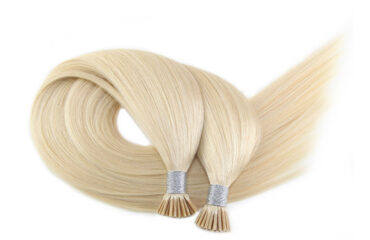
- Keratin Bonding: Individual hair strands are coated with keratin glue for easy application.
SISHAIR emphasizes precision during this stage to ensure that each weft or strand is securely constructed and free of loose hairs.
6. Quality Inspection and Testing
Before the extensions are packaged, they undergo a strict quality inspection process. This includes:
- Strength Testing: Pull tests are conducted to ensure the hair does not shed easily.
- Color Consistency: The dye job is checked for uniformity and vibrancy.
- Texture Verification: The texture is inspected to confirm that it meets customer specifications.
Manufacturers like SISHAIR implement multi-tier quality control systems to maintain their reputation for excellence.
7. Packaging and Branding
Packaging plays a significant role in the marketability of hair extensions. Once the extensions pass quality inspection, they are neatly packaged to preserve their shape and texture. Packaging often includes protective measures such as hair nets or plastic sleeves.
SISHAIR, for instance, uses branded packaging that highlights product details, care instructions, and authenticity seals. This ensures that customers receive their hair extensions in pristine condition.
8. Storage and Distribution
Proper storage conditions are crucial to prevent tangling, dryness, or damage to the hair extensions. Manufacturers store the packaged extensions in climate-controlled facilities to maintain their quality.
Once packaged, the extensions are distributed to retailers, salons, or directly to consumers. Efficient logistics systems are essential for timely delivery and customer satisfaction.
Conclusion
Manufacturing hair extensions is a complex process that requires careful attention to detail, high-quality materials, and industry expertise. From sourcing raw hair to packaging the final product, each step contributes to the durability and beauty of the extensions. Premium brands like SISHAIR set themselves apart by prioritizing ethical sourcing, meticulous craftsmanship, and rigorous quality control. By following these proven practices, manufacturers can create hair extensions that meet the demands of a diverse and ever-growing market.