How to Remove Oil From Weave

Hair weaves are an excellent way to experiment with different styles, lengths, and textures, but like natural hair, weaves can accumulate oil over time. Whether it’s caused by natural scalp oils, styling products, or external factors, excessive oil can weigh down your weave and leave it looking greasy or dull. Fortunately, with the right techniques and products, you can effectively remove oil from your weave without damaging it. Here’s a step-by-step guide to help you maintain a clean and fresh-looking weave.
1. Identify the Source of Oil Accumulation
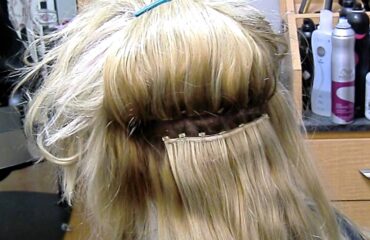
Before cleaning your weave, it’s essential to identify the cause of the oil buildup. Natural scalp oils, heavy styling products, or environmental factors could all be contributing factors. If your weave is sewn in, oil may seep through from your natural hair and scalp. If it’s a wig or clip-in weave, the oil is more likely to come from the products you use. Understanding the source will help you prevent future buildup.
2. Gather the Necessary Supplies
To effectively clean oil from your weave, you’ll need:
- A gentle, sulfate-free shampoo (e.g., SISHAIR Gentle Cleansing Shampoo).
- Lukewarm water.
- A wide-tooth comb or paddle brush.
- A clean, microfiber towel.
- Optional: Apple cider vinegar, dry shampoo, or a clarifying product if the buildup is excessive.
3. Pre-Treat the Weave
If your weave is heavily oiled, pre-treating it can loosen the grease and make cleaning easier. Dilute a small amount of apple cider vinegar in lukewarm water (1 part vinegar to 3 parts water) and apply it to the oiliest sections of the weave. Let it sit for 5–10 minutes before rinsing. This step will help break down the oil and prepare the weave for shampooing.
4. Wash the Weave Properly
Whether your weave is attached or removable, washing it carefully is crucial to avoid tangling or damage. Follow these steps:
-
For Sew-In Weaves:
- Section your hair to expose the weave and your scalp.
- Apply a small amount of SISHAIR Gentle Cleansing Shampoo directly onto the weave and your scalp.
- Gently massage the shampoo into the weave using your fingertips. Avoid vigorous scrubbing, as this can cause tangling.
- Rinse thoroughly with lukewarm water, ensuring all shampoo is removed.
-
For Removable Weaves:
- Detangle the weave using a wide-tooth comb or paddle brush.
- Fill a basin or sink with lukewarm water and add a small amount of SISHAIR Gentle Cleansing Shampoo.
- Submerge the weave in the soapy water and gently swish it around to remove oil.
- Rinse the weave under running water until all shampoo is gone.
5. Use a Dry Shampoo for Quick Fixes
If you’re short on time or the oil buildup isn’t too severe, a dry shampoo can be an excellent alternative. Spray or sprinkle the dry shampoo evenly over the oily areas of your weave, focusing on the roots. Allow the product to sit for a few minutes to absorb the oil, then gently brush or shake out the excess. This method is especially useful for clip-in weaves or wigs.
6. Condition the Weave
After removing the oil and cleaning the weave, it’s essential to restore moisture to keep it looking soft and shiny. Use a lightweight, oil-free conditioner to avoid adding more grease. Apply the conditioner evenly to the weave, focusing on the mid-lengths and ends. Leave it on for 5–10 minutes, then rinse thoroughly with lukewarm water.
7. Dry the Weave Gently
Proper drying is key to maintaining the texture and integrity of your weave. For sewn-in weaves, use a microfiber towel to blot excess water and allow the weave to air-dry. Avoid using a high-heat blow dryer, as this can weaken the fibers. For clip-ins or wigs, lay the weave flat on a clean towel and let it air-dry completely before styling.
8. Prevent Future Oil Buildup
To keep your weave oil-free for longer, adopt preventative measures:
| Tip | Details |
|---|---|
| Limit product use | Avoid heavy oils, serums, or greasy styling products. Opt for lightweight alternatives. |
| Regular maintenance | Clean your weave every 1–2 weeks to prevent oil buildup. |
| Protect while sleeping | Use a satin or silk scarf to reduce oil transfer and preserve the weave’s texture. |
| Scalp care | Keep your natural scalp clean and balanced to minimize oil transfer. |
9. When to Seek Professional Help
If your weave is still greasy after using these methods, or if it starts to look damaged, it may be time to consult a professional stylist. They can assess the condition of your weave and recommend specialized treatments to restore its appearance.
Conclusion
Removing oil from your weave doesn’t have to be a daunting task. By identifying the source of the buildup, using gentle cleaning techniques, and adopting preventative measures, you can keep your weave looking fresh and flawless. SISHAIR products, specifically formulated for hair extensions and weaves, are invaluable tools in maintaining the quality and longevity of your hair. With proper care, your weave will continue to elevate your style and provide the confidence you deserve.