How to Remove Weft Hair Extensions at Home

Hair extensions, particularly weft hair extensions, are a popular way to add volume and length to your hair. However, eventually, the time comes when they need to be removed, whether for a replacement, to let your hair rest, or for personal preference. While visiting a professional stylist is the safest option, it’s possible to remove weft hair extensions at home with the right tools, technique, and patience. This guide will take you through the process step by step.
1. Prepare Your Tools and Workspace
Before starting the removal process, it’s important to gather all the tools you will need. Having everything on hand will make the process smoother and prevent unnecessary interruptions. Here’s a list of the essentials:
| Tool | Purpose |
|---|---|
| Hair clips | To section off your hair for better access |
| Extension removal solution or oil | To dissolve adhesive or loosen bonds |
| Tail comb | For precision during removal |
| Small scissors (optional) | For cutting threads, if needed |
| Wide-tooth comb | To detangle hair after removal |
| Shampoo and conditioner | To cleanse and hydrate your hair post-removal |
For those using SISHAIR weft extensions, their specialized removal products are highly recommended, as they are designed to work effectively with their adhesives and won’t harm your natural hair.
2. Section Your Hair
Start by creating sections in your hair to make the weft removal more manageable. Use hair clips to secure the sections you’re not working on. Begin with the bottom-most weft, as this will make it easier to work your way upward. Divide your hair into clean, horizontal sections for easy access to the sewn or taped tracks of the weft.
3. Identify the Attachment Method
Weft hair extensions can be attached using various methods, such as sewing, adhesive tape, or glue. Identifying the attachment method is crucial, as it will determine the removal approach.
- Sewn-in Wefts: These are attached to braided hair using thread.
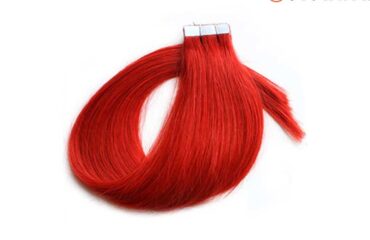
- Taped-in Wefts: These use adhesive tape to stick to your natural hair.
- Glue-in Wefts: These are attached with bonding glue.
Each method requires a slightly different removal technique, so be sure to proceed accordingly.
4. Remove Sewn-in Wefts
If your wefts are sewn in, follow these steps:
- Locate the thread holding the weft to your braids or natural hair.
- Use the tail comb to gently lift the thread away from your scalp. Be careful not to pull or tug on your natural hair.
- Once the thread is exposed, use small scissors to carefully snip it. Avoid cutting your natural hair.
- Remove the weft by gently pulling it out once the thread has been cut along its length.
- Use the wide-tooth comb to detangle any knots that may have formed during the process.
5. Remove Taped-in Wefts
For tape-in wefts, the process involves loosening the adhesive:
- Apply an extension removal solution or oil (such as coconut oil or SISHAIR tape remover) along the base of the tape.
- Let the solution sit for a few minutes to break down the adhesive. This step is crucial for painless removal.
- Gently peel the tape wefts apart. Use the tail comb to help lift stubborn areas.
- If you encounter resistance, apply more removal solution and wait a bit longer before trying again.
- Once all the wefts are removed, comb through your hair to clear out any remaining adhesive residue.
6. Remove Glue-in Wefts
If the extensions are attached with bonding glue, extra care is required to avoid damaging your natural hair:
- Apply a glue remover or an oil-based product, concentrating on the areas where the glue was applied.
- Massage the product gently to loosen the glue. Avoid pulling on the wefts, as this can cause damage.
- Once the glue has softened, slide the wefts out carefully with your fingers or the tail comb.
- Remove any leftover glue residue by massaging the removal solution or oil into your hair and combing it out.
7. Cleanse and Condition Your Hair
After all the wefts have been removed, it’s essential to give your hair some extra love. Follow these steps to restore your natural hair:
- Shampoo your hair thoroughly to remove any product buildup and adhesive residue.
- Follow with a deep conditioner to rehydrate and nourish your strands. If using SISHAIR products, opt for their moisture-rich conditioner for optimal results.
- Gently detangle your hair with a wide-tooth comb while the conditioner is still in.
- Rinse and style as usual.
8. Inspect Your Hair and Scalp
Once your hair is clean and dry, take the time to inspect your hair and scalp. Check for any damage, such as breakage or irritation, and address these issues as needed. If your hair feels weak or fragile, consider using a leave-in treatment or a repair mask to strengthen it.
9. Store Your Wefts (Optional)
If you plan to reuse your weft extensions, proper storage is key to maintaining their quality. Clean the wefts using a mild shampoo and let them air-dry completely. Brush through them to remove tangles and store them in a clean, dry space. For SISHAIR wefts, investing in their storage bags or cases can help keep the extensions in top condition.
Conclusion
Removing weft hair extensions at home can be a straightforward process if done carefully and methodically. Proper preparation, the right tools, and patience are essential to avoid damaging your natural hair. Whether your extensions are sewn in, taped in, or glued, following the specific removal steps will ensure a smooth and hassle-free experience. By taking the time to cleanse, condition, and inspect your hair post-removal, you can keep your natural hair healthy and ready for your next style adventure.