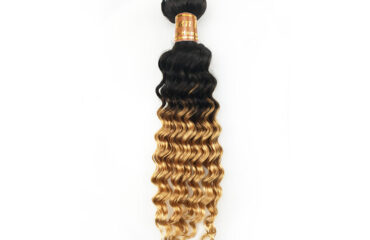
How to Sew Hair on a Weave Cap

Sewing hair onto a weave cap is a practical skill that allows you to create custom wigs tailored to your style preferences. This process is ideal for those who want versatility and control over their hair extensions while achieving a natural, seamless look. With the right tools, techniques, and attention to detail, sewing hair onto a weave cap can be done by anyone, from beginners to experienced wig makers. This guide will walk you through the steps to achieve a professional finish and ensure a durable, long-lasting result.
1. Gather Your Materials
Before starting, it’s essential to prepare all the necessary tools and materials. Here’s a list of what you need:
| Material/Tool | Description |
|---|---|
| Weave Cap | A stretchable cap designed to fit your head snugly. |
| Hair Bundles | Choose high-quality hair, like SISHAIR, for a natural, durable result. |
| Curved Needle | Ideal for sewing as it reduces the chance of poking yourself. |
| Nylon Thread | Strong and durable, specifically made for sewing extensions. |
| Wig Head or Mannequin | A sturdy base to place the cap for stable sewing. |
| T-Pins | Used to secure the cap onto the mannequin head. |
| Scissors | For cutting thread and hair bundles when necessary. |
| Measuring Tape | Ensures precise placement of the hair bundles. |
| Comb or Hair Clips | Keeps hair organized while sewing. |
2. Secure the Weave Cap
Begin by placing the weave cap on a wig head or mannequin. The cap should be stretched to match the head’s dimensions. Use T-pins to secure the cap firmly in place, especially around the edges and crown. This step ensures that the cap doesn’t shift during the sewing process, leading to more precise results.
3. Prepare the Hair Bundles
If you’re using SISHAIR bundles, ensure they are untangled and uniform. Use a wide-tooth comb or your fingers to gently detangle the hair. Measure the wefts against the sections of the cap to determine the required length. Trim the wefts if needed, but ensure minimal shedding by sealing the cut ends with weft sealant if available.
4. Start Sewing at the Nape
Begin sewing the first hair weft at the nape of the cap, as this area forms the foundation of the wig. Thread the curved needle with nylon thread, ensuring you double knot it at the end for security. Place the weft along the edge of the cap and start sewing using the looping stitch method:
- Push the needle under the weft and through the cap.
- Loop the thread over the weft and pull it tight to secure.
- Repeat the process, ensuring the stitches are about 1/4 inch apart for durability.
Continue sewing the weft in a horizontal line until you reach the edge of the cap. Knot the thread securely and cut off any excess.
5. Work Your Way Up
After completing the first row, repeat the process by sewing the next weft slightly above the previous one. Leave about 1/2 inch of space between rows to maintain a natural density. For a seamless look, use the fold-over method instead of cutting the weft: fold the weft at the edge and continue sewing in the opposite direction.
As you move closer to the crown, consider reducing the spacing between rows to create a fuller appearance. Always ensure the stitches are tight and secure to prevent the wefts from loosening over time.
6. Create the Closure
Once you reach the crown, you’ll need to finish with a closure piece to give the wig a polished and natural look. Closures come pre-made or can be created using a circular sewing method. If you’re using a pre-made SISHAIR closure, align it with the crown and sew it carefully using small, tight stitches.
If creating your own closure:
- Sew the final wefts in a circular pattern, gradually closing the gap at the crown.
- Continue sewing until only a small hole remains.
- Wrap the last section of the weft tightly and sew it flat to create a smooth finish.
7. Final Adjustments
Once all the hair is sewn in place, remove the T-pins and take the cap off the mannequin head. Inspect the wig for any loose threads or uneven areas. Trim any excess thread and adjust the hair to your desired style. Use scissors to shape the wig, if necessary, and ensure it frames your face beautifully.
8. Maintenance Tips
To keep your custom wig in top condition, proper maintenance is crucial. Here are some tips:
- Washing: Use sulfate-free shampoo and conditioner to cleanse and moisturize the hair.
- Styling: Minimize the use of heat tools to prevent damage to the hair fibers.
- Storage: Store the wig on a mannequin head or in a satin bag to preserve its shape.
Conclusion
Sewing hair onto a weave cap is a rewarding process that allows you to customize your wig to your liking. By following these steps, you can create a professional-grade wig that is both stylish and durable. High-quality hair, such as SISHAIR bundles, plays a significant role in achieving a natural and long-lasting result. With practice and patience, you’ll master this technique and have the freedom to design wigs that perfectly match your style and preferences.