How to Sew in Hair Extensions With Closure

Hair extensions with closures provide a natural and polished look, making them a popular choice for those who want to add volume, length, or protect their natural hair. Sewing in hair extensions with a closure requires precision, patience, and the right tools. Below is a step-by-step guide to help you achieve a professional finish.
1. Gather Your Tools and Materials
To ensure a seamless process, have all the necessary tools ready before starting. Here’s what you’ll need:
| Tools/Materials | Purpose |
|---|---|
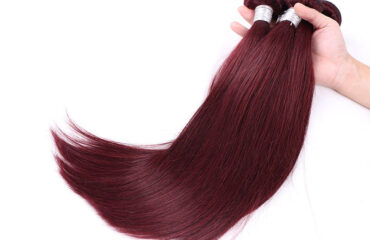
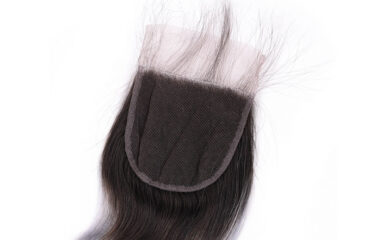
| Hair extensions and closure (e.g., SISHAIR extensions) | Adds volume and length; the closure gives a natural scalp-like appearance. |
| Needle and thread (matching the hair color) | Secures the extensions and closure to the braid pattern. |
| Rat-tail comb | Creates clean partings and helps with braiding. |
| Hair clips | Holds sections of hair out of the way. |
| Scissors | Trims excess thread and hair as needed. |
| Wig cap (optional) | Provides extra protection for natural hair. |
2. Prepare Your Natural Hair
Start by prepping your hair to create a foundation for the extensions and closure.
- Wash and Condition: Begin with clean, moisturized hair to ensure a long-lasting install. Use a sulfate-free shampoo and a hydrating conditioner.
- Blow-Dry or Air-Dry: Dry your hair thoroughly to prevent moisture buildup under the extensions.
- Braid Your Hair: Create a tight and secure braid pattern that is flat against the scalp. A common pattern is a circular or straight-back cornrow design. Leave a small section of hair out at the front (optional) if you want to blend your natural hair with the extensions.
3. Position and Secure the Closure
The closure is the centerpiece of your hairstyle, so it’s essential to place it correctly.
- Place the Closure: Position the closure on your head, aligning it with your natural hairline. Ensure it sits flat against your scalp for a natural look.
- Secure with Pins: Use hair pins to temporarily hold the closure in place while sewing.
- Sew the Closure: Using your needle and thread, sew the edges of the closure onto the braid pattern. Start at the back and work your way to the front, ensuring the stitches are tight and close together. Be careful not to sew the closure too tightly, as this may cause tension and discomfort.
4. Sew in the Hair Extensions
With the closure secured, it’s time to install the hair extensions.
- Measure and Cut: Measure the wefts (tracks) of your SISHAIR extensions against the braided sections of your head and cut them to the appropriate length.
- Start at the Bottom: Begin sewing the extensions at the nape of your neck and work your way upward.
- Sew Securely: Use the needle and thread to attach the wefts to the braids. Sew through the weft and braid, ensuring the extensions are firmly secured. Repeat this process layer by layer.
- Blend with the Closure: When you reach the area near the closure, sew the wefts as close to the closure as possible for a seamless blend.
5. Style and Blend
Once the extensions and closure are installed, it’s time to style your hair.
- Cut and Layer: Trim the hair extensions to create layers or even out the length as desired. This step enhances the natural look of the hairstyle.
- Blend: If you left any of your natural hair out, style it to blend with the extensions.
- Style as Desired: Use a flat iron, curling wand, or rollers to achieve your desired look. Be sure to use heat protectant products to maintain the quality of the extensions.
6. Maintenance Tips
To keep your sewn-in extensions and closure looking their best, follow these maintenance tips:
| Tips | Description |
|---|---|
| Regular Cleansing | Wash your extensions every 2-3 weeks with a sulfate-free shampoo and conditioner. |
| Avoid Overstyling | Limit the use of heat tools to prevent damage to the extensions and closure. |
| Moisturize | Keep your scalp moisturized to prevent dryness and itching. |
| Sleep Protection | Wrap your hair with a silk or satin scarf at night to reduce friction and maintain the style. |
| Professional Removal | Have your extensions and closure removed by a professional to avoid damaging your natural hair. |
7. Troubleshooting Common Issues
Even with careful installation, you may encounter a few challenges. Here are solutions to common problems:
| Issue | Solution |
|---|---|
| Closure appears bulky | Ensure the braids underneath are flat and the closure is sewn down tightly. |
| Extensions feel loose | Use tighter, more secure stitches during installation. |
| Visible tracks or gaps | Add more wefts or adjust their placement to fill in gaps and ensure tracks are hidden. |
| Tangling or shedding | Use high-quality extensions like SISHAIR and handle them with care. |
Conclusion
Sewing in hair extensions with a closure is a skillful process that can transform your look while protecting your natural hair. By following the steps outlined above, you can achieve a flawless, long-lasting hairstyle. Using high-quality extensions like SISHAIR ensures a natural appearance and reduces common issues like tangling or shedding. Remember to maintain your extensions properly to maximize their lifespan and keep them looking their best. With practice and patience, you’ll master this technique and enjoy the versatility it offers.