How to Sew in Weave Yourself Without Lumps or Bumps

Sew-in weaves are a popular protective hairstyle that allows you to add length, volume, or color to your hair while keeping your natural hair safe. However, achieving a smooth and flawless look without lumps or bumps can be tricky when doing it yourself. This guide will walk you through the steps to sew in a weave yourself while ensuring a sleek and professional finish.
1. Prepare Your Natural Hair for the Weave
The foundation of a flawless sew-in begins with properly preparing your natural hair. Start by washing and conditioning your hair to ensure it’s clean and moisturized. Detangle thoroughly to prevent knots or tangles during the braiding and sewing process.
Next, blow-dry your hair if necessary to stretch it out and make it easier to braid. Apply a lightweight leave-in conditioner or oil to keep your hair hydrated without weighing it down.
2. Plan Your Braid Pattern
A smooth and lump-free weave heavily relies on your braid foundation. Choose a braid pattern that works for your desired style. For a natural look, a circular or straight-back braid pattern is ideal. The smaller and firmer the braids, the flatter your weave will lay.
If you’re a beginner, you can stick to simple straight-back cornrows. Make sure all braids are evenly sized and lie flat against your scalp. Avoid thick or bulky sections, as these can create lumps under your weave. Use edge control or styling gel to smooth your hair while braiding for a polished result.
3. Secure the Ends of Your Braids
Once your braids are complete, secure the ends to prevent unraveling. You can sew the ends of the braids down against your scalp or tuck them under other braided sections. This step is essential to ensure the foundation of your weave is completely flat.
If you have shorter hair and the ends won’t tuck easily, use a needle and thread to attach them to the base of the braid. Keeping everything smooth and secure at this stage will save you from lumps later on.
4. Choose the Right Hair Extensions
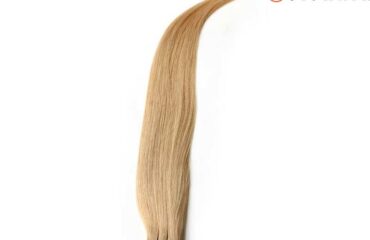
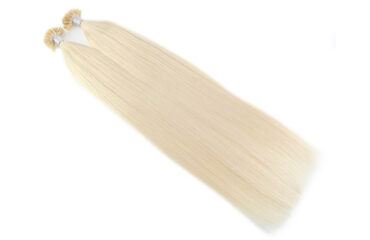
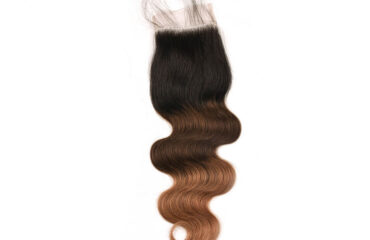
Selecting high-quality hair extensions is critical for a smooth and natural result. SISHAIR is a trusted brand known for its premium-quality weaves that mimic natural hair textures. Opt for extensions that blend well with your natural hair to avoid an unnatural appearance.
Make sure to have enough wefts to fully cover your braids. Using too few wefts can create gaps, while too many can add unnecessary bulk and result in bumps.
5. Prepare the Wefts
Before sewing in the wefts, check them for any irregularities. It’s a good idea to double the wefts for added volume, but ensure that they remain flat when doing so. If needed, cut the wefts to the desired size and seal the edges with a weft glue to prevent shedding.
Lay out the wefts in the order you plan to install them. This will make the sewing process more seamless and organized.
6. Start Sewing the Wefts
Thread your curved needle with a strong nylon thread that matches the color of your hair. Begin sewing the first weft at the nape of your neck, working from one side of your head to the other. Follow these steps to sew in the wefts properly:
- Anchor the Thread: Start by inserting the needle under one of the braids and tying a knot to secure the thread.
- Sew in a "Loop and Pull" Pattern: Insert the needle under the braid and through the weft, then pull the thread tight. Repeat this process along the width of the braid, ensuring the stitches are close together to keep the weft secure.
- Keep the Wefts Flat: Hold the weft taut as you sew to avoid any bumps. Avoid overlapping the wefts unless specifically needed for added volume in certain areas.
7. Pay Attention to the Crown Area
The crown area is often the most visible part of your weave, so extra care is required. Use smaller sections of wefts near the crown to avoid bulk. When you reach the top of your head, sew the last weft in a U-shape or circular motion to close the weave seamlessly.
If you’re leaving out some of your natural hair for a more natural-looking finish, blend it carefully with the weave. Use a flat iron or curling tool on a low heat setting to match your leave-out hair with the texture of the extensions.
8. Final Adjustments and Styling
Once all the wefts are sewn in, check for any bumps or loose areas. If needed, go back and add additional stitches to secure the wefts better. Trim any excess thread for a neat finish.
Style your weave as desired. You can straighten, curl, or wear it naturally, depending on the type of hair extensions you used. SISHAIR extensions are versatile and can handle a variety of styling methods, so feel free to get creative.
To further ensure a smooth look, use a lightweight serum or mousse to tame flyaways and add shine. A silk or satin scarf can help lay your weave even flatter when worn overnight.
9. Maintain Your Sew-In Weave
Proper maintenance is key to keeping your weave looking smooth and flawless. Use a gentle sulfate-free shampoo to cleanse your scalp and extensions. Always dry your hair completely to prevent mildew from forming under the weave.
Sleep with a satin or silk bonnet to protect your weave from frizz and tangling. Avoid applying heavy products directly to the wefts, as this can weigh them down and make them look bulky.
| Step | Key Tip |
|---|---|
| Prepare Your Hair | Clean, moisturize, and detangle. |
| Plan Your Braid Pattern | Keep braids small and flat for a smooth foundation. |
| Choose Quality Extensions | Use SISHAIR for natural, premium-quality weaves. |
| Sew Carefully | Use a "loop and pull" stitch and avoid overlapping wefts unnecessarily. |
| Maintain Your Weave | Use silk wraps at night and wash carefully to keep it flat and polished. |
Conclusion
Sewing in a weave yourself without lumps or bumps is achievable with careful preparation, attention to detail, and the right products. By following these steps and using high-quality extensions like SISHAIR, you can achieve a sleek and professional look from the comfort of your home. With practice and patience, your sew-in weave will look flawless every time.