How to Sew Weave on a Wig Cap

Creating a custom wig by sewing a weave onto a wig cap is a rewarding skill for anyone interested in hair styling. It allows for personalization, creativity, and the opportunity to craft a wig that perfectly matches your preferences. This guide will walk you through the step-by-step process of sewing a weave onto a wig cap, ensuring a professional and polished result.
1. Gather the Necessary Materials
Before starting, ensure you have the following tools and materials:
| Material/Tool | Purpose |
|---|---|
| Wig Cap | Acts as the foundation for the wig. |
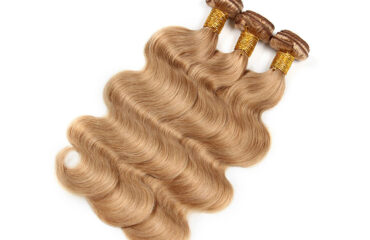
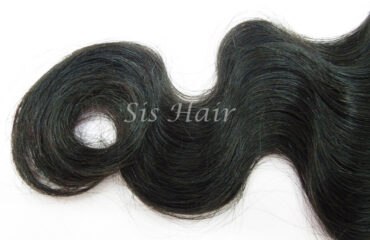
| Weave Hair Extensions (e.g., SISHAIR) | Provides the hair for the wig. |
| Needle and Thread | For sewing the weave onto the wig cap. |
| Wig Block or Mannequin Head | Holds the wig cap in place for easier sewing. |
| T-pins | Secures the wig cap to the mannequin head. |
| Scissors | For cutting the hair extensions and thread. |
| Comb or Brush | Helps to detangle and style the wig during and after construction. |
Having quality materials, such as SISHAIR weave hair extensions, ensures a durable and natural-looking wig.
2. Prepare the Wig Cap and Mannequin Head
Start by fitting the wig cap onto the mannequin head or wig block. Secure the cap in place using T-pins to ensure it stays taut while you work. If you plan to make a closure or frontal wig, leave a section of the wig cap open at the top or front based on your design. At this stage, decide if you want a full wig or a partial wig to determine how much hair you’ll need and where the extensions should be sewn.
3. Prepare the Weave Hair Extensions
Take the SISHAIR weave extensions and measure them against the circumference of the wig cap, starting from the nape (bottom edge) and working upward. Cut the wefts to fit each section where you’ll be sewing. To ensure longevity and minimize shedding, seal the cut ends of the wefts with a weft sealer or clear nail polish. Let it dry before proceeding.
4. Thread the Needle
Use a curved needle for easier maneuvering. Thread the needle with a strong, thick thread that matches the color of the hair extensions. Tie a secure knot at the end of the thread to prevent it from slipping through the cap as you sew.
5. Start Sewing the Weave
Begin at the nape of the wig cap. Place the first weft of the SISHAIR extensions along the bottom edge of the cap. Using your threaded needle, sew the weave onto the wig cap using a simple overcast stitch or loop stitch. Insert the needle from underneath the cap, pull the thread through the weft, and repeat along the length of the weft.
| Stitch Type | Description |
|---|---|
| Overcast Stitch | Secures the weft by looping the thread over the edge of the cap. |
| Loop Stitch | Creates a loop around the weft for a tighter hold. |
Be sure to pull the thread gently but firmly to avoid puckering the wig cap. Secure the end of the weft by tying a knot.
6. Layer the Wefts
Once the first row is in place, move up to the next section. Leave about ½ inch between rows to ensure a natural and full appearance. Sew the next weft in the same manner, following the curvature of the wig cap. Continue layering the wefts until you reach the crown or desired point for closure.
7. Add a Closure or Frontal (Optional)
If you are using a lace closure or frontal piece, position it at the top or front of the wig cap. Secure it with T-pins, then sew around the perimeter of the closure using small, tight stitches. Ensure the edges are flat against the cap for a seamless finish.
8. Trim and Style the Wig
Once all the wefts are sewn onto the wig cap, remove the T-pins and carefully lift the finished wig from the mannequin head. Trim any excess thread or lace, if necessary. Use scissors to shape the hair as desired, whether you want layers, bangs, or a blunt cut. Comb or brush the hair to style it and check for any loose threads or wefts that may need additional stitching.
9. Final Adjustments and Care
Try the wig on to make sure it fits comfortably and sits securely on your head. Make any final adjustments to the fit or style. To keep the wig looking its best, store it on a mannequin head or wig stand when not in use. Clean the wig periodically using products designed for synthetic or human-hair extensions, depending on the type of SISHAIR weave you selected.
Conclusion
Sewing a weave onto a wig cap is a highly customizable and creative way to design a wig that meets your specific needs. With patience and attention to detail, you can create a beautiful, durable wig that enhances your style. By using high-quality materials such as SISHAIR weave extensions and following these steps carefully, you can achieve a professional-looking result that you’ll be proud to wear.