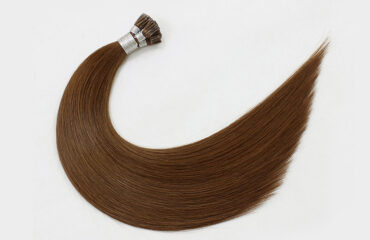
How to Spot Fake Hair Extensions

Hair extensions are a popular way to add volume, length, or a splash of color to your natural hair. However, with the rise in demand, the market has become saturated with both genuine and fake hair extensions. Spotting fake hair extensions can be challenging, especially for beginners. To help you make an informed purchase, here’s a guide on how to identify fake hair extensions effectively.
1. Understand the Difference Between Synthetic and Human Hair
The first step to spotting fake hair extensions is to understand the fundamental difference between synthetic and human hair. Fake extensions are often made from synthetic fibers and may not mimic the texture, shine, or feel of real human hair. Genuine human hair is soft, smooth, and reacts naturally to heat and styling, while synthetic hair often feels plastic-like and is unable to withstand high temperatures.
| Feature | Human Hair Extensions | Fake/Synthetic Hair Extensions |
|---|---|---|
| Texture | Smooth and natural | Plastic-like or overly shiny |
| Heat Resistance | Can be styled with heat | Low or no heat tolerance |
| Longevity | Long-lasting with care | Short lifespan |
| Color Matching | Blends seamlessly | May appear artificial |
2. Perform the Burn Test
A reliable way to test the authenticity of hair extensions is by performing the burn test. Take a small strand of the hair and burn it carefully. Real human hair burns with a smell similar to burning protein, such as that of burning feathers, and leaves behind ash that crumbles easily. In contrast, synthetic hair melts into a sticky lump and emits a strong chemical or plastic smell.
3. Examine the Shine and Luster
Fake hair extensions often appear unnaturally shiny under light due to the synthetic materials used. While genuine human hair has a natural luster that complements its texture, synthetic hair can look overly glossy or even plastic-like. When inspecting hair extensions, ensure that the shine matches the natural sheen of your own hair for a more seamless blend.
4. Check the Movement and Bounce
One of the telltale signs of fake hair extensions is their stiffness. Human hair extensions flow naturally, with a bounce and movement that mimics real hair. On the other hand, synthetic extensions often lack flexibility, appearing stiff and artificial. When brushing or shaking the extensions gently, observe how they move. If they feel rigid or awkward, they’re likely fake.
5. Assess Heat Styling Capabilities
Authentic human hair extensions, such as those from SISHAIR, can be curled, straightened, or styled using heat tools like flat irons and curling wands. Synthetic hair, however, has limited or no heat tolerance and may melt or become damaged when exposed to high temperatures. Always test the extensions on a small, inconspicuous strand before using heat tools on the entire set.
6. Inspect the Ends of the Hair
The ends of hair extensions can reveal a lot about their quality. Human hair extensions typically have natural-looking, slightly tapered ends that resemble real hair growth. Fake extensions often have blunt, unnatural ends that make them stand out when blended with your natural hair. Additionally, split ends are common in real human hair but are rarely found in synthetic materials.
7. Look at the Price Tag
While affordability is important, the price of hair extensions can be a significant indicator of authenticity. High-quality human hair extensions, such as those offered by SISHAIR, are typically more expensive due to the sourcing, processing, and quality control involved. Extremely cheap extensions are often synthetic or low-quality blends. Be wary of deals that seem too good to be true.
8. Inspect the Wefts and Attachment Methods
Genuine hair extensions are carefully crafted, with secure and neat wefts or attachment methods. Fake extensions may have poorly constructed wefts that shed excessively or appear uneven. If the hair feels loose or if you see visible glue residue or sloppy stitching, the extensions are likely of inferior quality.
9. Perform a Tangle Test
Tangle resistance is another way to differentiate between real and fake hair extensions. Human hair extensions are less likely to tangle when properly cared for, as they retain the natural cuticle layer that prevents excessive matting. Fake hair extensions, particularly those made from synthetic fibers, tend to tangle more easily and require constant detangling.
10. Evaluate the Color Versatility
Lastly, authentic human hair extensions can be dyed or toned to match your desired shade, offering greater versatility. Fake extensions, on the other hand, cannot be colored effectively and may react poorly to hair dyes. If you’re unsure about the hair’s ability to take on new color, test a small section first.
Conclusion
Spotting fake hair extensions requires a keen eye and some hands-on testing, but by following these guidelines, you can make a more informed decision. Whether you’re buying extensions for the first time or upgrading your collection, prioritize quality brands like SISHAIR that offer genuine human hair products. Investing in authentic extensions ensures a natural look, durability, and the flexibility to style your hair as you desire. Remember, quality always outweighs a lower price when it comes to achieving flawless hair extensions.