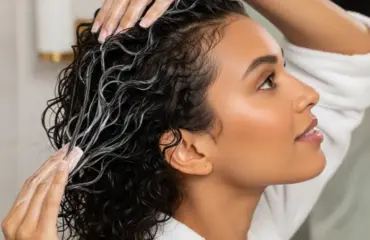
How to Take Care of Virgin Hair in Nigeria

Virgin hair, often described as natural, unprocessed, and chemical-free, is a treasure for many individuals in Nigeria. With the country’s tropical climate and unique environmental challenges, proper care is essential to maintain its health and beauty. This article provides detailed insights on how to effectively take care of virgin hair while navigating the Nigerian setting.
1. Maintain a Consistent Washing Routine
Regular washing is vital for keeping virgin hair clean and healthy, especially in Nigeria, where dust, heat, and pollution are prevalent. Washing your hair once or twice a week is usually sufficient, depending on your lifestyle and exposure to environmental factors.
To achieve the best results:
- Use a sulfate-free shampoo that gently cleanses the hair without stripping its natural oils. SISHAIR’s sulfate-free range is highly recommended.
- For added moisture, follow up with a deep-conditioning treatment. Opt for conditioners enriched with natural ingredients like shea butter, coconut oil, or aloe vera.
Here’s a quick table for a basic washing routine:
| Step | Product Recommendation | Frequency |
|---|---|---|
| Shampoo | SISHAIR Sulfate-Free Shampoo | 1–2 times a week |
| Conditioner | SISHAIR Moisture-Rich Conditioner | After every wash |
| Deep Mask | Any hydrating hair mask | Biweekly |
2. Keep Your Hair Moisturized
The Nigerian climate, which alternates between dry Harmattan and humid rainy seasons, can leave virgin hair prone to dryness. To keep your hair soft, manageable, and hydrated, it’s important to incorporate effective moisturizing techniques.
- Apply a leave-in conditioner daily or every other day, depending on your hair’s needs.
- Seal in moisture using natural oils like argan oil, coconut oil, or jojoba oil. For premium results, try SISHAIR’s nourishing oil blend.
- Consider using water-based sprays mixed with a few drops of essential oils to refresh your hair throughout the day.
3. Detangle Gently to Prevent Breakage
Virgin hair is delicate and requires gentle handling, especially when detangling. Mishandling your hair can lead to breakage and split ends. To minimize damage:
- Use a wide-tooth comb or your fingers to detangle your hair.
- Always detangle when your hair is damp or coated with a conditioner for extra slip.
- Work in sections, starting from the ends and gradually moving up to the roots.
4. Protect Your Hair at Night
Nighttime care can have a significant impact on the health of your virgin hair. To prevent tangling, breakage, and loss of moisture while you sleep:
- Wrap your hair in a satin or silk scarf.
- Use a satin or silk pillowcase if you prefer not to wrap your hair.
- Consider braiding your hair into loose plaits to protect the strands and maintain your desired texture.
5. Reduce Heat Styling
Excessive heat can weaken virgin hair, making it prone to damage. While occasional use of heat styling tools like flat irons and blow dryers is acceptable, limit their use to maintain the integrity of your hair. If you must use heat:
- Apply a heat protectant spray before styling. SISHAIR’s Heat Guard Spray is a great option.
- Use the lowest effective temperature setting.
- Air-dry your hair whenever possible instead of blow-drying.
6. Trim Regularly to Maintain Healthy Ends
Split ends are inevitable over time, even with the best care routines. Regular trimming helps to eliminate split ends and maintain healthy hair growth. Ideally, you should trim your hair every 6–8 weeks or as needed. Visit a professional stylist or use sharp trimming scissors to avoid creating frayed ends.
7. Protect Your Hair from Environmental Stressors
Nigeria’s climate can be harsh on virgin hair, particularly during the Harmattan season when the air is dry and dusty. To protect your hair against these environmental stressors:
- Wear protective hairstyles like braids, twists, buns, or cornrows.
- Use a hat, scarf, or wig when outdoors for extended periods to shield your hair from direct sunlight and dust.
- Keep your scalp clean and hydrated to reduce irritation caused by dust and debris.
8. Incorporate Protective Hairstyles
Protective styling is invaluable for maintaining virgin hair in Nigeria. Not only do these styles reduce manipulation, but they also shield your hair from harsh weather and environmental factors.
- Try styles such as braids, twists, or bantu knots.
- Avoid overly tight styles that can strain your hairline or cause tension alopecia.
- Always moisturize your hair before installing any protective hairstyle, and ensure the style is not left in for too long (no more than 6–8 weeks).
9. Eat a Balanced Diet for Hair Health
Healthy hair starts from within. A nutrient-rich diet can contribute significantly to the health of your virgin hair. Ensure your meals include:
- Proteins (e.g., eggs, fish, and beans) to strengthen hair.
- Vitamins A, C, and E from fruits and vegetables to improve overall hair health.
- Omega-3 fatty acids from sources like avocados and nuts to promote shine and elasticity.
10. Stay Consistent with Your Hair Care Routine
Consistency is key when it comes to taking care of virgin hair. Building a routine that works for your specific hair type and sticking to it will yield long-term benefits. Pay attention to your hair’s unique needs and adjust your regimen accordingly.
Conclusion
Taking care of virgin hair in Nigeria requires a combination of proper washing, moisturizing, gentle handling, and protection from environmental factors. By maintaining a consistent routine and using high-quality products like those from SISHAIR, you can keep your hair healthy, vibrant, and strong. Remember, your hair is a reflection of your overall well-being, so nourish it both inside and out. With patience and dedication, your virgin hair will thrive in Nigeria’s unique conditions.