How to Tell Human Hair From Synthetic

When it comes to distinguishing human hair from synthetic hair, there are several key factors to consider. Whether you’re purchasing a wig, extensions, or hairpieces, knowing the difference between the two can help you choose the right product for your needs. Let’s explore the various methods and characteristics that can help you tell the difference between human hair and synthetic hair.
1. The Burn Test
One of the most reliable ways to tell human hair apart from synthetic hair is through the burn test. While this method should be used with caution, it offers clear results.
- Human Hair: When burned, human hair will char and produce a distinct smell similar to burning feathers. It turns into ash and is easy to crumble between your fingers once cooled.
- Synthetic Hair: Synthetic hair, on the other hand, melts when exposed to a flame. It often forms hard beads or clumps and produces a plastic or chemical odor.
| Characteristics | Human Hair | Synthetic Hair |
|---|---|---|
| Reaction to Fire | Chars | Melts |
| Odor | Burning feathers | Plastic/Chemical |
| Residue | Ash, crumbles easily | Hard beads/clumps |
2. Texture and Feel
The texture of the hair is another telltale sign. Authentic human hair has a natural, soft, and smooth feel, while synthetic hair often feels very different.
- Human Hair: Feels natural to the touch, with a slight coarseness and a realistic weight. It mimics the texture of your own hair and often varies slightly depending on the origin (e.g., Brazilian, Indian, or European hair).
- Synthetic Hair: Feels more uniform and may have an overly shiny or plastic-like appearance. It is typically lighter than human hair and may feel slippery or artificial.
3. Heat Resistance
The ability to withstand heat is a notable difference between human and synthetic hair. This distinction is especially important for those who like to style their hair with heat tools.
- Human Hair: Can be styled using curling irons, straighteners, and blow dryers, just like your natural hair. It doesn’t melt or change drastically when exposed to heat.
- Synthetic Hair: Most synthetic hair cannot tolerate heat, and attempting to style it with heat tools can cause irreversible damage. However, some high-quality synthetic options, like those offered by SISHAIR, are heat-resistant and allow for limited styling.
4. Longevity and Maintenance
Understanding how long a hairpiece lasts and how to maintain it can help you determine whether it’s human or synthetic.
- Human Hair: With proper care, human hair wigs and extensions can last up to a year or more. They require regular washing, conditioning, and styling but retain their natural look over time.
- Synthetic Hair: Typically lasts only a few months with everyday use. It requires less maintenance but is less durable. Once it becomes frizzy or tangled, it can be difficult to restore.
| Factor | Human Hair | Synthetic Hair |
|---|---|---|
| Longevity | 1 year or more (with care) | A few months |
| Maintenance | Requires effort | Low maintenance |
5. Color and Customization
The ability to dye or customize hair is another major difference between human and synthetic hair.
- Human Hair: Can be dyed, bleached, or toned to achieve a wide range of colors. It’s highly customizable and reacts to color treatment the same way as natural growing hair.
- Synthetic Hair: Cannot be dyed or bleached effectively. Attempting to color synthetic hair can damage it due to its non-porous nature. However, synthetic hair often comes pre-styled and pre-colored, with a variety of vibrant options available.
6. Price Comparison
The cost of the hair can often indicate whether it’s human or synthetic.
- Human Hair: Tends to be significantly more expensive due to its quality, durability, and natural look. Brands like SISHAIR offer premium human hair that justifies the investment.
- Synthetic Hair: Is generally more affordable and is a good option for temporary use or those on a budget.
| Feature | Human Hair | Synthetic Hair |
|---|---|---|
| Price Range | Higher cost | Budget-friendly |
7. Reaction to Weather
Hair’s reaction to environmental factors can provide clues as to whether it’s human or synthetic.
- Human Hair: Reacts naturally to weather changes. It may frizz in high humidity or lose smoothness in dry air, just like your natural hair.
- Synthetic Hair: Tends to retain its style regardless of weather conditions. While this can be an advantage for some, the uniformity can make it look less natural.
8. Parting and Scalp Appearance
The way the hairpiece is constructed and how it mimics the natural scalp can also differentiate human hair from synthetic hair.
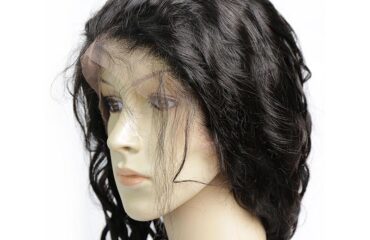
- Human Hair: Often features lace or silk bases that allow for realistic parting and a natural scalp appearance.
- Synthetic Hair: May have machine-made bases with less realistic parts, making it harder to mimic the appearance of a natural scalp.
Conclusion
Distinguishing human hair from synthetic hair requires a close examination of various factors, such as texture, heat resistance, longevity, and customization options. While human hair tends to be more natural-looking, durable, and versatile, synthetic hair is lightweight, affordable, and often pre-styled for convenience. By understanding these key differences, you can make a more informed decision when purchasing hair products. If you’re looking for high-quality human hair, brands like SISHAIR offer exceptional options that deliver authenticity and lasting beauty.