How to Use Your Own Hair to Make a Wig

Creating a wig using your own hair is an innovative and sentimental way to repurpose hair from a major haircut or capture your natural look. Not only does it ensure your wig matches your texture and color perfectly, but it also allows for a personal connection to the finished product. Whether you’re considering this for practical reasons or as a gift to yourself or a loved one, crafting a wig from your own hair requires patience, preparation, and attention to detail. Here’s a step-by-step guide to help you through the process.
1. Gather and Prepare Your Hair
The first step in creating a wig from your own hair is to plan and prepare your locks correctly to ensure the quality of the end product.
a. Determine the Required Hair Length and Volume
For most wigs, you’ll need at least 8–12 inches of hair to create adequate coverage and styling flexibility. If you’re making a thicker wig, you might need more strands.
| Wig Type | Minimum Hair Length | Recommended Volume |
|---|---|---|
| Short Wig | 8 inches | Moderate to high density |
| Medium-Length Wig | 10 inches | High density |
| Long Wig | 12 inches or more | Very high density |
b. Collect Hair Properly
When cutting your hair, ensure the strands are clean and dry. Tie your hair into small, tight ponytails or braids before cutting to reduce tangling. Secure each section firmly with elastic bands at both ends to keep the hairs aligned in their natural direction.
c. Store the Hair Safely
To avoid damage or contamination, store the cut hair in plastic or fabric bags in a cool, dry place until you’re ready to use it.
2. Choose a Wig-Making Base
Selecting the right base for your wig is critical. The base functions as the foundation for attaching your hair strands.
a. Wig Cap Options
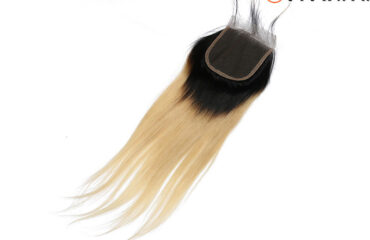
A wig cap is the most common choice for beginners. You can choose from lace caps, mesh caps, or stretchable dome caps based on your comfort level and the desired final look. Lace caps, for instance, create a natural-looking hairline.
b. Alternative Bases
If you’d prefer a more customizable approach, consider a U-part wig frame or a full lace system, which allows greater flexibility for styling.
3. Sort and Prepare Your Hair for Sewing
Before attaching your hair to the wig cap, you will need to properly sort and prepare it.
a. Separate Hair by Length
Sort your strands into groups based on length. This ensures a natural gradient as you work around the wig cap.
b. Wash and Condition the Hair
Even though you may have stored the hair clean, it’s still advisable to wash and condition it again. Use a gentle shampoo and deep conditioner to restore softness and luster. A high-quality product like SISHAIR shampoo is ideal for maintaining the strength and integrity of the strands.
c. Dry and Detangle the Hair
Allow the hair to air-dry completely to prevent frizz. Once dry, gently detangle using a wide-tooth comb or brush to prepare for installation.
4. Hand-Tying or Sewing the Hair
Attaching the hair to your wig base is the most labor-intensive part of the process, but patience here will yield the most natural results.
a. Hand-Tying Technique
For a highly natural look, you can tie individual strands of hair to the wig cap using a ventilating needle. This process can take several hours or even days but offers excellent precision and a realistic appearance.
b. Sewing Hair Wefts
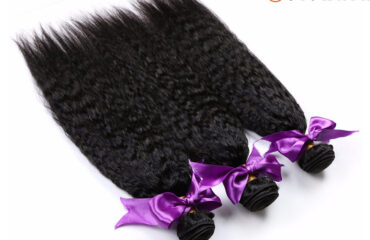
If you prefer a quicker method, sew pre-made hair wefts (created from your own hair) onto the wig cap. Attach the wefts in horizontal rows, starting from the nape and working upward until the cap is fully covered. Use strong, durable thread to secure the wefts in place.
5. Customize and Style Your Wig
Once all the hair has been attached, it’s time to shape and style your wig to achieve a polished look.
a. Trim Excess Hair
Use sharp scissors to trim and shape the wig to your preferred style. Ensure the ends are even and aligned for a professional finish.
b. Add Layers or Bangs
For added dimension, consider cutting layers or bangs. You can seek help from a professional stylist for more complex designs.
c. Styling the Wig
Using heat tools such as flat irons or curling wands, style the wig as you would with natural hair. Just be cautious and use a heat protectant to minimize potential damage. SISHAIR styling products are a great option to maintain the quality and longevity of your wig.
6. Maintain and Care for Your Wig
To keep your wig looking fresh and wearable for a long time, regular maintenance is essential.
a. Cleaning
Wash your wig every 8–12 wears using a sulfate-free shampoo and conditioner. Handle gently to avoid loosening any attached hairs.
b. Storage
Store your wig on a wig stand or mannequin head when not in use. This helps maintain its shape and prevents tangling.
c. Repairs
Over time, some strands might loosen or fall out. Keep extra hair from your original cut to make repairs as needed. Reattach using the same tying or sewing techniques.
Conclusion
Transforming your own hair into a wig is a rewarding and sustainable project that carries sentimental value. By carefully preparing your hair and following the steps above, you can create a wig that looks natural, feels personal, and lasts for years. Whether you choose a hand-tied or a sewn method, taking the time to customize and care for your wig will ensure a finished product you can wear proudly.