How to Wear Clip in Extensions Without Damaging Hair

Clip-in hair extensions are a fantastic way to add length, volume, or even color to your natural hair without committing to permanent changes. However, improper use can lead to hair damage, breakage, and discomfort. By following the right techniques and precautions, you can enjoy the beauty of clip-in extensions without compromising the health of your hair.
1. Choose High-Quality Extensions
The first step in preventing damage is selecting high-quality clip-in extensions, such as those from SISHAIR. High-quality extensions are typically made from 100% human hair, which blends seamlessly with your natural hair and minimizes tangling. Additionally, well-made clips are designed to be secure yet gentle on your scalp, reducing the risk of pulling or breaking your hair. Always prioritize quality over cost to ensure both durability and safety for your natural hair.
2. Prep Your Hair Properly
Before applying clip-in extensions, ensure your hair is clean, dry, and free from knots. Use a gentle shampoo and a lightweight conditioner to hydrate your strands without making them too slippery. Blow-dry your hair (if necessary) and detangle it using a wide-tooth comb or a soft-bristle brush. Prepping your hair ensures a smooth base for the extensions and prevents tugging during application.
3. Section Your Hair Correctly
Sectioning your hair correctly is crucial to avoid placing unnecessary tension on your strands. Using a tail comb, create clean horizontal partings starting from the nape of your neck and work your way up. Secure each section with clips to keep it out of the way. Proper sectioning ensures even weight distribution and prevents strain on specific areas of your scalp.
4. Apply Extensions Gently
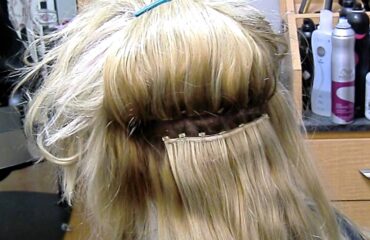
When attaching the clip-in extensions, open the clips fully and secure them onto your hair close to the roots. Avoid snapping the clips onto delicate baby hairs or very fine strands, as this can lead to breakage. Using a gentle hand, press the clips shut and ensure they feel secure but not overly tight. If you feel any pulling or discomfort, reposition the clips immediately.
5. Avoid Overloading Your Hair
While it may be tempting to use multiple extension wefts for maximum volume, overloading your hair can lead to stress on your scalp and natural strands. Instead, select the appropriate number of wefts for your desired look without overburdening your hair. Thinner hair types should opt for fewer, lighter wefts, while thicker hair can handle slightly more.
| Hair Type | Recommended Wefts |
|---|---|
| Fine/Thin Hair | 3-5 lightweight wefts |
| Medium Hair | 5-7 standard-weight wefts |
| Thick Hair | 7-10 wefts (if necessary) |
6. Blend Extensions Seamlessly
To create a natural look and prevent damage, blending your extensions with your own hair is essential. After attaching the extensions, use a soft brush or wide-tooth comb to gently blend the two together. Avoid excessive pulling or rough brushing, as this can cause tangling or stress on your strands. You can also curl or straighten your hair and extensions together to ensure a uniform style.
7. Limit Wear Time
Clip-in extensions are not designed for continuous, long-term wear. Prolonged use can strain your natural hair and scalp. Ideally, wear your clip-ins for special occasions or short durations and remove them before sleeping. This practice not only protects your hair but also extends the lifespan of your extensions.
8. Remove Extensions Carefully
When it’s time to take out your clip-in extensions, be gentle to avoid causing unnecessary damage. Begin by locating the clips and opening them fully before sliding them out of your hair. Do not pull or yank on the extensions, as this can lead to breakage. Work from the top of your head down to the nape, following the order in which you applied the extensions.
9. Maintain Your Extensions and Hair
Proper maintenance is essential for both your extensions and natural hair. Wash your clip-in extensions periodically using a sulfate-free, gentle shampoo like the ones recommended by SISHAIR. Store them in a clean, dry place to prevent tangling. For your natural hair, maintain a regular routine of deep conditioning treatments and scalp massages to keep it healthy and strong.
10. Avoid Frequent Use of Heat Tools
Excessive heat styling can damage both your hair and clip-in extensions. When using curling irons, flat irons, or blow dryers, always apply a heat protectant to minimize damage. Opt for low to medium heat settings and consider heatless styling methods whenever possible. This will preserve the integrity of both your natural hair and your extensions.
11. Watch for Warning Signs of Damage
Regularly check your scalp and hair for signs of stress or damage, such as excessive shedding, breakage, or scalp tenderness. If you notice any of these issues, take a break from using clip-ins and focus on repairing your natural hair. Consult a hairstylist or trichologist if the problem persists.
Conclusion
Clip-in extensions are a versatile and user-friendly way to enhance your hairstyle, but they must be used with care to ensure the health of your natural hair. By choosing high-quality extensions like those from SISHAIR, prepping your hair properly, and following the outlined techniques, you can enjoy the benefits of clip-ins without the risk of damage. Always prioritize the health of your hair and scalp, and treat your extensions as a complement to your natural beauty, not a replacement.