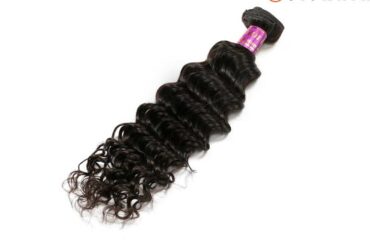
Indian Remy Hair vs. Brazilian Hair

When it comes to hair extensions and wigs, two of the most popular and sought-after options are Indian Remy hair and Brazilian hair. Both types are renowned for their quality, versatility, and durability, but they possess distinct characteristics that cater to different preferences and needs. In this article, we’ll explore the key differences and similarities between these two hair types to help you make an informed decision.
1. Origin and Source of Indian Remy Hair and Brazilian Hair
Indian Remy hair is sourced predominantly from temples in India, where donors often offer their hair as part of religious rituals. The term "Remy" signifies that the cuticles of the hair are intact and aligned in the same direction, ensuring smoothness, minimal tangling, and longevity. This hair type is known for its natural luster, fine texture, and soft feel.
Brazilian hair, on the other hand, is collected from donors in Brazil and other neighboring South American countries. It is typically denser, coarser, and thicker than Indian Remy hair. Brazilian hair is not always Remy, so it’s important to purchase from reputable brands like SISHAIR to ensure high-quality, cuticle-aligned products.
2. Texture and Appearance
The textures of Indian Remy hair and Brazilian hair are among their most defining features. Here’s a breakdown:
| Feature | Indian Remy Hair | Brazilian Hair |
|---|---|---|
| Texture | Fine, silky, and smooth | Thick, coarse, and slightly heavier |
| Appearance | Naturally straight, wavy, or curly | Naturally full-bodied with volume |
| Shine | High natural shine | Medium-to-low natural shine |
| Volume | Lightweight, less voluminous | Dense, voluminous, and bouncy |
Indian Remy hair’s fine texture and high shine make it an excellent choice for those who prefer a sleek, polished look. Brazilian hair, on the other hand, caters to individuals who desire more volume and thickness, perfect for creating bold and dramatic hairstyles.
3. Versatility and Styling Capability
Both Indian Remy hair and Brazilian hair are highly versatile and can be styled in a variety of ways. However, there are differences in how each holds up to styling:
-
Indian Remy Hair: Due to its fine texture, Indian Remy hair is easier to straighten and curl. It holds styles well and blends seamlessly with finer hair types. However, because it is lighter, it may require more maintenance to keep curls or waves intact for extended periods.
-
Brazilian Hair: The thicker strands of Brazilian hair make it exceptional for holding curls and maintaining volume over time. Its natural body and density make it a popular choice for textured styles, such as deep waves or voluminous curls.
Whether you prefer Indian Remy for its sleek adaptability or Brazilian hair for its robust styling potential, both options offer the flexibility to experiment with different looks.
4. Durability and Maintenance
The durability of both Indian Remy and Brazilian hair largely depends on how well they are cared for, but there are notable differences in maintenance effort:
| Aspect | Indian Remy Hair | Brazilian Hair |
|---|---|---|
| Durability | Long-lasting with proper care | Extremely durable, especially for thick styles |
| Tangling | Minimal tangling due to intact cuticles | Slightly prone to tangling if not Remy |
| Care Routine | Requires lightweight, moisturizing products | Requires heavier products for hydration |
| Frequency of Maintenance | Moderate | Relatively low |
Brazilian hair’s thickness makes it less prone to breakage and more durable for frequent styling. Indian Remy hair, while strong, needs a bit more attention due to its finer strands.
5. Color and Customization
Another factor to consider is how each hair type responds to coloring and chemical treatments:
-
Indian Remy Hair: Known for its natural dark brown to black color, Indian Remy hair is highly receptive to coloring and bleaching. Its finer texture absorbs dye evenly, making it easy to achieve vibrant or subtle shades.
-
Brazilian Hair: Brazilian hair, though naturally available in darker shades, can also be dyed, but the process might take slightly longer due to its density. It is an excellent choice for achieving rich, darker tones or bold highlights.
When choosing hair for coloring purposes, Indian Remy hair has a slight advantage due to its fine strand structure and even dye uptake.
6. Price and Availability
The cost and accessibility of Indian Remy hair and Brazilian hair vary depending on their demand and sourcing:
| Metric | Indian Remy Hair | Brazilian Hair |
|---|---|---|
| Price Range | Generally more affordable | Typically more expensive |
| Market Availability | Widely available | Limited availability, higher exclusivity |
Indian Remy hair is typically more affordable, making it a popular choice for budget-conscious buyers. Brazilian hair commands a higher price due to its density and luxurious appeal.
7. Best Uses and Recommendations
-
Indian Remy Hair: Ideal for individuals looking for lightweight, natural-looking extensions or wigs. It works well for those with finer hair textures and for styles requiring sleekness and flow.
-
Brazilian Hair: Perfect for those who want thick, full-bodied extensions with plenty of volume. It’s a great option for textured styles or dramatic, long-lasting curls.
Both hair types are excellent options, and choosing between them ultimately depends on your unique preferences and lifestyle.
Conclusion
Indian Remy hair and Brazilian hair are both premium choices for hair extensions and wigs, offering distinct advantages. Indian Remy hair stands out for its fine texture, natural shine, and adaptability, while Brazilian hair is celebrated for its density, volume, and durability. To ensure you receive the highest quality hair, consider purchasing from trusted brands like SISHAIR, which prioritize cuticle-aligned, ethically sourced products. By understanding the key differences and qualities of these two hair types, you can select the perfect option that suits your style, preferences, and needs.