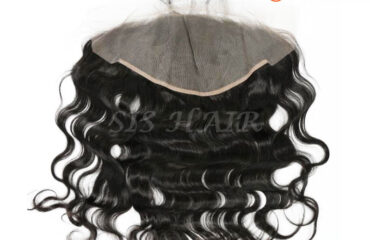
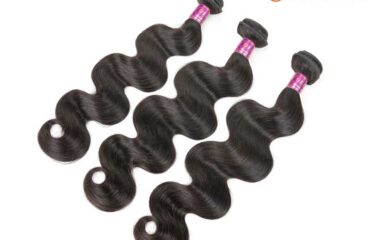
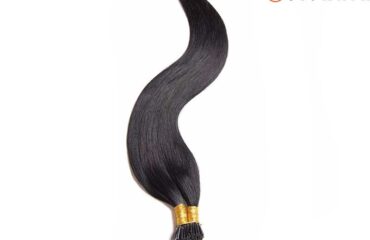
Indian vs. Cambodian Hair

Hair extensions and wigs have gained immense popularity in the beauty industry, offering individuals the opportunity to experiment with different looks or enhance their natural hair. Among the most sought-after hair types are Indian and Cambodian hair. These two types of human hair stand out for their quality, versatility, and natural appearance. However, they differ significantly in texture, durability, and pricing. Below is a comprehensive comparison of Indian and Cambodian hair to help you make an informed choice.
1. Source and Origin
The origin of the hair plays a vital role in determining its quality, texture, and characteristics.
-
Indian Hair: Indian hair is typically obtained from temples, where women and men donate their hair as part of a religious offering. This hair is collected ethically and is known for its silky, smooth texture. Since the majority of the hair comes from donors with diets rich in natural nutrients, Indian hair is renowned for its strength and healthy structure.
-
Cambodian Hair: Cambodian hair is sourced from rural areas in Cambodia, where women sell their hair to support their families. Cambodian hair is often stronger and coarser than Indian hair, as the donors tend to have thicker hair strands. The hair is collected with attention to maintaining its natural integrity.
2. Texture and Appearance
The texture and appearance of the hair are major deciding factors for customers. Indian and Cambodian hair have distinct characteristics in this regard.
| Feature | Indian Hair | Cambodian Hair |
|---|---|---|
| Texture | Silky, soft, and shiny | Coarser, thicker, and less shiny |
| Strand Thickness | Fine to medium | Medium to thick |
| Natural Patterns | Naturally wavy or straight | Straight, wavy, or slightly coarse |
| Volume | Lightweight with moderate density | Full-bodied and voluminous |
Indian hair is ideal for those who prefer a softer, more versatile texture, while Cambodian hair is better suited for individuals seeking durability and a natural, full-bodied look.
3. Versatility and Styling
Both hair types are versatile and can be styled in various ways. However, each has unique characteristics when it comes to styling.
-
Indian Hair: Indian hair is incredibly versatile and adapts well to heat styling. It blends seamlessly with a wide range of hair types, making it a favorite for creating sleek or wavy styles. Because of its natural softness, Indian hair holds curls beautifully but may require more maintenance to retain the style.
-
Cambodian Hair: Cambodian hair is also versatile but is particularly favored for styles that require volume and texture. Its coarser texture allows it to hold curls and waves for longer periods, even in humid conditions. This makes Cambodian hair an excellent choice for individuals seeking low-maintenance looks.
4. Durability and Longevity
Durability is an essential factor when investing in high-quality hair extensions or wigs. Both Indian and Cambodian hair are known for their longevity, but subtle differences exist.
-
Indian Hair: Indian hair is durable, lasting up to 12-18 months with proper care. Its fine texture, however, means it may be more prone to tangling and shedding if not maintained well. Regular conditioning and gentle handling are essential.
-
Cambodian Hair: Cambodian hair is more durable due to its thicker strands and coarser texture. It can last up to 18-24 months with proper care. Since it is less likely to tangle or shed, Cambodian hair is often considered lower maintenance compared to Indian hair.
5. Color and Processing
The natural color and ease of processing are important considerations, especially for individuals looking to dye or bleach the hair.
-
Indian Hair: Indian hair is typically available in natural black or dark brown colors. It processes well, allowing for dyeing, bleaching, and chemical treatments. However, its finer strands may become weaker with frequent processing.
-
Cambodian Hair: Cambodian hair features natural black to medium brown tones. Its thicker structure makes it more resistant to damage from processing, making it an excellent option for individuals who frequently dye or bleach their hair extensions.
6. Price Comparison
Price is a deciding factor for many customers. Both Indian and Cambodian hair are premium options, but their pricing can differ.
| Feature | Indian Hair | Cambodian Hair |
|---|---|---|
| Affordability | Generally more affordable | Slightly more expensive |
| Quality-to-Price Ratio | High quality for moderate price | Superior quality for higher price |
Indian hair is more readily available, making it slightly more affordable than Cambodian hair. However, Cambodian hair’s durability and resilience often justify its higher price point.
7. Ideal Usage Scenarios
The choice between Indian and Cambodian hair depends largely on individual preferences and intended usage.
-
Indian Hair: Best suited for those seeking a natural, lightweight look with soft textures. It is ideal for individuals who want a versatile option for styling while maintaining a silky appearance.
-
Cambodian Hair: Perfect for individuals looking for thicker, coarser hair for added volume. It is also a great choice for those who prefer a more natural, low-maintenance texture that holds styles longer.
Conclusion
Both Indian and Cambodian hair are exceptional in quality and cater to different needs and preferences. Indian hair stands out for its silky texture, adaptability, and affordability, while Cambodian hair is favored for its durability, thickness, and low-maintenance features. Whether you choose Indian or Cambodian hair, brands like SISHAIR offer high-quality options to meet your requirements.
Ultimately, the decision comes down to personal preference, hair type, and the style you wish to achieve. By understanding the unique characteristics of each type, you can select the one that best complements your lifestyle and beauty goals.