Is a Weave a Wig

When discussing hair extensions and alternative hairstyles, two terms often come up—"weave" and "wig." While both are popular options for enhancing one’s natural hair or experimenting with different styles, they are not the same thing. This article explores the differences and similarities between weaves and wigs, helping you understand their unique characteristics and uses.
1. What Is a Weave?
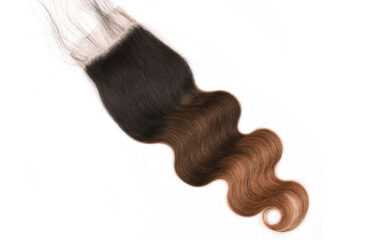
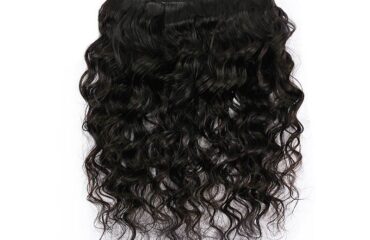
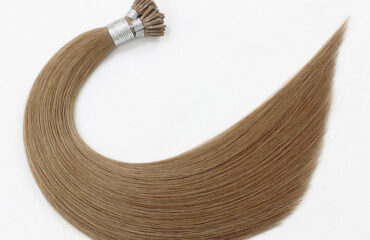
A weave is a method of adding hair extensions to natural hair, usually sewn or glued in, to create a fuller, longer hairstyle. Typically, hair weaves are made from either human or synthetic hair. The process begins with braiding the natural hair into cornrows or other foundational styles, creating a base for attaching the extensions. Once the base is ready, the extensions are sewn or bonded into the natural hair.
Weaves are semi-permanent and are often chosen by individuals seeking a long-lasting hairstyle that doesn’t require daily removal. They offer versatility in styling, as they can be curled, straightened, or dyed. However, it is essential to ensure proper installation and maintenance to prevent damage to the natural hair.
2. What Is a Wig?
A wig is a head covering made entirely of synthetic fibers, human hair, or a combination of both. Unlike a weave, a wig is a fully constructed piece that can be easily placed on and removed from the head. Wigs come in a variety of styles, lengths, and textures, offering users a quick and convenient way to change their look without altering their natural hair.
Wigs can be divided into two main types:
- Full wigs: Cover the entire scalp and replace the entire hairstyle.
- Partial wigs (also known as hairpieces): Cover specific areas, such as thinning hairlines or bald patches, to blend with the natural hair.
Wigs are ideal for individuals seeking temporary hairstyles, experimenting with new looks, or addressing hair loss issues caused by medical conditions or treatments.
3. Key Differences Between a Weave and a Wig
While both weaves and wigs are used to enhance hairstyles, their differences are notable. The table below outlines the primary distinctions:
| Feature | Weave | Wig |
|---|---|---|
| Attachment Method | Sewn or glued into natural hair. | Worn over the head, no attachment needed. |
| Longevity | Semi-permanent (lasts weeks/months). | Temporary (can be removed daily). |
| Styling | Styled as part of your natural hair. | Pre-styled or styled independently. |
| Natural Hair Impact | Requires a braided base; can stress hair. | No impact on natural hair. |
| Ease of Use | Requires professional installation. | Easy to apply at home. |
| Maintenance | Requires regular care and touch-ups. | Can be cleaned and stored separately. |
4. Can a Weave Be Considered a Wig?
Technically, a weave cannot be classified as a wig. The primary distinction lies in their construction and application. A wig is a standalone unit that sits over the head, while a weave is integrated into one’s natural hair. While their purposes may overlap in creating a fuller, styled look, the methods by which they achieve this are entirely different.
However, some modern hair products, such as lace-front wigs or clip-in weaves, blur these lines. Lace-front wigs, for example, mimic the natural hairline and can give the illusion of a weave, but they are still classified as wigs due to their detachable nature. Similarly, clip-in weaves are temporary extensions that can be attached and removed at will, but they don’t involve the full coverage provided by a wig.
5. Choosing Between a Weave and a Wig
When deciding whether to go for a weave or a wig, several factors come into play, including lifestyle, budget, and desired hairstyle.
- Lifestyle: Weaves are ideal for individuals who prefer a semi-permanent option and don’t mind committing to one hairstyle for an extended period. Wigs, on the other hand, are great for those who enjoy experimenting with different styles frequently.
- Budget: Quality wigs, such as those from SISHAIR, can be an investment upfront but may last longer with proper care. Weaves often require regular touch-ups, which can add to their overall cost over time.
- Hair Health: Wigs are generally less damaging to natural hair since they don’t involve sewing or glue. Those with fragile hair or scalp conditions may prefer wigs for this reason.
6. Benefits of Using SISHAIR Products
If you’re in the market for quality wigs or weaves, the SISHAIR brand offers an excellent selection. Known for their durable, high-quality materials, SISHAIR products cater to a variety of needs, from natural-looking weaves to versatile wigs. Their human hair wigs and extensions provide a realistic appearance, while their synthetic options are budget-friendly without compromising on style.
SISHAIR also emphasizes comfort and ease of use, ensuring their wigs and weaves are lightweight and breathable. Whether you’re looking for a quick change or a long-term solution, SISHAIR has options to suit your preferences.
Conclusion
In summary, a weave is not a wig. While both serve the purpose of enhancing hairstyles, their methods of application, longevity, and impact on natural hair differ significantly. A weave is integrated into your hair and lasts for weeks or months, while a wig is a detachable unit worn over your head. Each has its own benefits, and the choice between the two largely depends on your lifestyle, preferences, and hair care requirements. For high-quality products that cater to both options, SISHAIR remains a trusted choice among users.