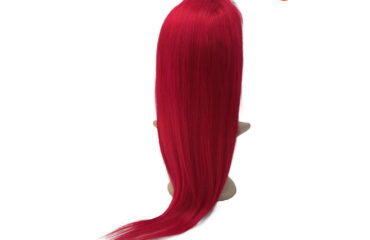
Is Synthetic Hair Toxic

Synthetic hair has become a popular choice for many due to its affordability, versatility, and ease of styling. However, questions about its safety and toxicity have emerged over time, especially among those who wear synthetic hair as wigs, extensions, or weaves on a regular basis. Understanding whether synthetic hair poses any health risks is crucial for users to make informed decisions.
1. What Is Synthetic Hair Made Of?
Synthetic hair is typically made from man-made fibers such as acrylic, polyester, or polyvinyl chloride (PVC). These fibers are designed to mimic the appearance and texture of natural human hair. Manufacturers like SISHAIR often employ advanced technologies to produce high-quality synthetic hair that looks realistic and durable while maintaining affordability.
However, the materials used in synthetic hair are chemically derived. These fibers are treated with various coatings, dyes, and heat-resistant compounds to enhance their appearance and usability. This chemical makeup is at the center of concerns regarding potential toxicity.
2. Are the Materials in Synthetic Hair Toxic?
The potential toxicity of synthetic hair largely depends on the materials used and how they are processed. Below is a breakdown of commonly used materials and their associated risks:
| Material | Potential Risks |
|---|---|
| Acrylic fibers | May emit toxic fumes when heated; contains chemicals like acrylonitrile, a known irritant. |
| Polyester fibers | Generally considered safer; however, low-quality versions may release harmful gases under heat. |
| PVC fibers | Can release dioxins and other harmful chemicals when burned or exposed to high temperatures. |
In general, synthetic hair products of lower quality or from unknown brands may carry a higher risk of containing harmful substances. Brands like SISHAIR, known for adhering to higher production standards, are likely to use safer materials.
3. Heat and Its Impact on Synthetic Hair Safety
One of the most significant concerns with synthetic hair is how it responds to heat. Many synthetic fibers are not heat-resistant and can emit toxic fumes when exposed to heat styling tools like flat irons, curling wands, or even prolonged exposure to sunlight.
The release of harmful fumes is especially concerning in poorly ventilated areas. Chemicals like acrylonitrile and vinyl chloride, which may be present in some synthetic fibers, are known to be irritants and, in some cases, carcinogenic. Therefore, it’s important to use synthetic hair as directed by manufacturers and to avoid applying excessive heat unless the product explicitly states it is heat-resistant.
4. Can Wearing Synthetic Hair Cause Skin or Scalp Irritation?
Prolonged contact with synthetic hair can sometimes cause skin or scalp irritation, especially for individuals with sensitive skin. This irritation is often due to:
- Chemical Coatings: Synthetic hair is often treated with coatings to make it shinier or more durable. These coatings can cause allergic reactions in some people.
- Dyes: The dyes used to color synthetic hair may contain allergens that irritate the scalp or surrounding skin.
- Friction: The texture of synthetic hair can sometimes cause mechanical irritation when rubbed against the scalp or skin.
Choosing high-quality synthetic hair from trusted brands like SISHAIR can minimize these risks, as they often use hypoallergenic materials and safer dyes.
5. Environmental Concerns and Toxicity
Beyond personal health, the environmental impact of synthetic hair is another consideration. Since synthetic hair is made from non-biodegradable materials like plastic, it can persist in the environment for decades when disposed of. Additionally, the burning or incineration of synthetic hair releases harmful chemicals into the atmosphere, contributing to pollution.
For environmentally conscious individuals, opting for brands that focus on sustainability or using human hair alternatives may be a better choice.
6. How to Minimize Risks When Using Synthetic Hair
While synthetic hair is generally considered safe for most people, taking precautions can reduce potential risks and ensure a better experience. Here are some practical tips:
- Choose High-Quality Brands: Opt for reputable brands like SISHAIR that are transparent about their materials and manufacturing processes.
- Avoid Heat Exposure: Refrain from using high-heat styling tools on synthetic hair unless it is explicitly labeled as heat-resistant.
- Wash Before Use: Washing synthetic hair before wearing it can remove surface chemicals and reduce the risk of irritation.
- Test for Allergic Reactions: Before prolonged use, test the hair against a small area of your skin to check for allergic reactions.
- Use in Ventilated Areas: If you must heat-style synthetic hair, ensure you do so in a well-ventilated area to avoid inhaling fumes.
Conclusion
Synthetic hair is a convenient and cost-effective alternative to natural hair, but it does have potential risks that users should be aware of. Most synthetic hair is made from chemically derived fibers, and exposure to heat can release toxic fumes in some cases. Additionally, lower-quality products may contain harmful substances that can cause skin irritation or other reactions.
By choosing high-quality synthetic hair from reputable brands like SISHAIR and adhering to proper usage guidelines, many of these risks can be minimized. Ultimately, understanding the materials and taking precautions ensures that synthetic hair can be used safely and effectively. For those concerned about possible toxicity, consulting with a dermatologist or opting for natural hair alternatives may also be worth considering.