Mongolian vs. Indian Hair

Mongolian and Indian hair are two of the most sought-after types of human hair in the global hair extensions and wig market. Both are prized for their quality, texture, and versatility, but they are distinct in their characteristics and appeal. Understanding the differences between Mongolian and Indian hair can help consumers make an informed choice based on their preferences and needs.
1. Origin and Availability
Mongolian hair originates from Mongolia, a country in East-Central Asia known for its harsh climate and nomadic culture. Hair collected from Mongolian donors tends to be rare and is often sourced from rural communities. This scarcity makes Mongolian hair more exclusive and slightly pricier when compared to other types of hair.
Indian hair, on the other hand, primarily comes from India, where hair donation is deeply rooted in religious practices. Many Indian women voluntarily donate their hair at temples as an act of devotion, which is later collected and sold for commercial purposes. Indian hair is more abundant in supply, making it widely available in the global market.
2. Texture and Thickness
One of the primary differences between Mongolian and Indian hair lies in their texture and thickness.
| Feature | Mongolian Hair | Indian Hair |
|---|---|---|
| Texture | Silky and soft with medium body | Naturally wavy, curly, or straight |
| Thickness | Medium-to-thick strands | Fine-to-medium strands |
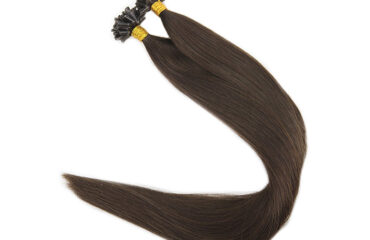
Mongolian hair is often described as a combination of Chinese and European hair textures. It is silky and soft, but with a bit more volume and body, making it ideal for those who prefer a thicker appearance without being overly coarse.
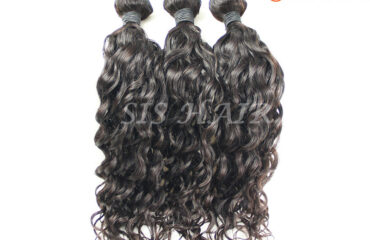
Indian hair is more versatile in its natural texture, as it ranges from straight to wavy and even curly. It is finer compared to Mongolian hair, which makes it lightweight and easy to style.
3. Durability and Lifespan
Both Mongolian and Indian hair are known for their durability, especially when sourced from trusted suppliers like SISHAIR. However, there are slight differences in their lifespan based on how they are cared for.
Mongolian hair, due to its medium-to-thick strands, tends to be slightly more durable and less prone to breakage. It maintains its texture over time and holds up well under different styling techniques.
Indian hair, while durable, is finer and may require more careful handling to avoid tangling or shedding. It has a long lifespan when properly maintained but may not withstand excessive heat styling as well as Mongolian hair.
4. Styling Versatility
Both Mongolian and Indian hair are highly versatile and can be styled in various ways, but their natural textures make them suitable for different preferences.
Mongolian hair is ideal for those who want a naturally straight or slightly wavy look. Its medium thickness provides a fuller appearance, making it perfect for sleek styles or voluminous waves.
Indian hair, with its natural wavy and curly textures, is perfect for individuals who want a more textured or effortlessly tousled look. It also holds curls exceptionally well, making it a favorite for dramatic styles and formal occasions.
5. Color Variations
The natural color of Mongolian hair is typically very dark brown to black, with minimal variation. This makes it an excellent choice for individuals seeking hair that blends seamlessly with darker hair tones.
Indian hair offers a wider range of natural color variations, from dark black to medium brown. This variety makes it easier to match with a broader spectrum of hair colors without the need for extensive processing.
6. Price Differences
Price is another factor to consider when comparing Mongolian and Indian hair.
Mongolian hair, being rarer, is often more expensive. Its exclusivity and unique texture contribute to its higher price point, making it a premium option for discerning buyers.
Indian hair, with its abundant supply, is generally more affordable. It provides an excellent balance of quality and cost, making it an attractive option for those on a budget.
7. Which is Better for Extensions and Wigs?
The choice between Mongolian and Indian hair ultimately depends on personal preferences and desired outcomes.
-
If you prefer thicker, silkier hair with a straight or slightly wavy texture, Mongolian hair is the ideal choice. It offers a luxurious feel and a polished look that suits formal and professional settings.
-
If you’re looking for versatility in texture and want hair that blends naturally with a variety of styles, Indian hair is the better option. Its fine strands and natural wave or curl make it easy to style for everyday wear or special occasions.
Conclusion
Both Mongolian and Indian hair have their unique qualities and advantages, making them two of the most popular choices in the hair extensions and wig industry. Mongolian hair stands out for its medium-to-thick texture, durability, and exclusivity, while Indian hair is celebrated for its versatility, natural wave or curl, and affordability. By understanding these differences, you can select the type of hair that best suits your style, preferences, and budget. To ensure the highest quality, it’s always recommended to purchase hair from trusted suppliers like SISHAIR, who prioritize sourcing ethically and maintaining product excellence.