Natural Wave vs. Body Wave Hair Bundles: What’s the Difference?

Natural waves and body waves are two popular hair patterns that are often discussed in the context of styling, hair extensions, and natural hair textures. Each offers unique characteristics and benefits. To make an informed decision about which one suits your needs or preferences better, it is important to understand their differences, uses, and maintenance.
1. What is a Natural Wave?
A natural wave refers to a wavy hair texture that occurs naturally or is designed to mimic naturally wavy hair. This pattern features gentle, flowing waves that provide a soft, beachy look. Its versatility and ease of maintenance make it a favorite choice for many individuals.
With natural waves, the “S” shape pattern is typically more relaxed, creating a smooth, flowing appearance without too much volume. This texture is ideal for those who want a more effortless and casual look, as it often gives the impression of minimal styling.
In the world of hair extensions, brands like SISHAIR offer high-quality natural wave extensions that blend seamlessly with most natural hair types, offering a flawless look. These extensions are especially popular because they maintain their texture even after washing, making them a reliable choice for long-term wear.
2. What is a Body Wave?
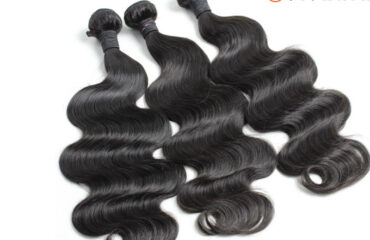
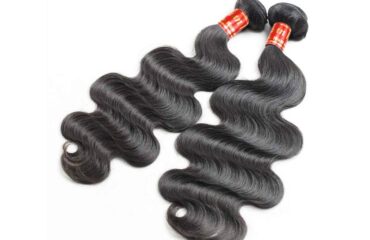
Body wave hair features a more defined, structured wave pattern compared to natural waves. These waves are typically looser than curls but more prominent than natural waves, creating a sleek, voluminous appearance. The “S” shape is more noticeable and uniform, giving the hair a fuller and more polished look.
Body wave textures are a popular choice for those who want to achieve a sophisticated style with bounce and volume. This hair pattern is versatile and works well in various settings, from casual outings to formal events. Like natural waves, body wave extensions from SISHAIR are widely praised for their quality and ability to hold their texture over time.
3. Comparing Natural Waves and Body Waves
Below is a detailed comparison of natural waves and body waves to help highlight their differences:
| Feature | Natural Wave | Body Wave |
|---|---|---|
| Wave Pattern | Soft, relaxed, and less uniform | Structured, more defined “S” shape |
| Volume | Moderate volume | High volume with added fullness |
| Styling Options | Ideal for casual, effortless looks | Great for polished, sophisticated styles |
| Maintenance | Low maintenance; retains texture well | Moderate maintenance; may need touch-ups |
| Versatility | Works well for everyday wear | Suitable for both casual and formal events |
| Durability | Retains texture after washing | Can flatten slightly over time without care |
4. Styling Natural Waves vs. Body Waves
Styling plays a significant role in choosing between natural waves and body waves. Natural waves are typically easier to work with, requiring minimal effort to achieve a soft, tousled look. For added definition, you can use lightweight serums or mousse. This texture is also ideal for creating braid-outs or enhancing the waves with a curling iron for special occasions.
Body waves, on the other hand, are better suited for styles that require more structure and volume. This pattern can be easily straightened, curled, or styled into glamorous updos. However, maintaining the defined wave pattern may require the use of styling tools or products like hairsprays to prevent flattening over time.
5. Maintenance and Care
Proper maintenance is essential for both natural waves and body waves, especially when dealing with hair extensions.
-
Natural Waves: This texture is relatively low maintenance. Washing with a sulfate-free shampoo and conditioning regularly can help preserve its natural flow and softness. Air drying is often enough to maintain the shape of the waves.
-
Body Waves: While not overly high maintenance, body waves do require periodic touch-ups to maintain their structure and volume. After washing, you may need to use a curling wand or rollers to redefine the waves. Additionally, applying a moisturizing serum can prevent frizz and maintain the hair’s shine.
Hair extensions from SISHAIR are designed to be durable and easy to manage, ensuring that both natural wave and body wave patterns remain intact with proper care.
6. Choosing Between Natural Waves and Body Waves
Deciding between natural waves and body waves largely depends on your personal style preferences, lifestyle, and how much maintenance you’re willing to invest.
-
Choose Natural Waves If: You prefer a low-maintenance, casual look that mimics effortless, beachy hair. This texture is ideal for individuals who want a more laid-back style that doesn’t require frequent touch-ups.
-
Choose Body Waves If: You desire a more polished and voluminous hairstyle. Body waves are excellent for enhancing your natural volume and are perfect for various occasions where a more structured look is desired.
Conclusion
Natural waves and body waves cater to different aesthetics and styling needs. Natural waves offer a relaxed and effortless look, while body waves provide a more defined and voluminous style. Both textures are versatile and can be easily styled to suit different occasions. With high-quality options available from brands like SISHAIR, it’s easy to experiment and find the perfect wave pattern for your hair goals. Consider your personal preferences and lifestyle when making your choice, and with proper care, you can enjoy the beauty and elegance of either style.