Sombre Hair vs. Balayage

When it comes to hair coloring techniques, many people find themselves torn between sombre hair and balayage. These two methods have risen in popularity due to their ability to create natural, low-maintenance, and beautifully blended results. While they might seem similar at first glance, they are distinct techniques that cater to different preferences and hair goals. To help you decide which one is right for you, let’s dive into a detailed comparison of sombre hair and balayage.
1. What is Sombre Hair?
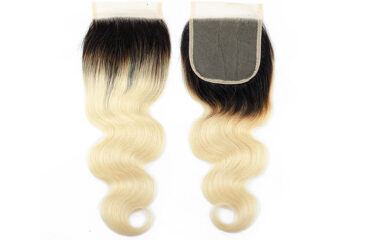
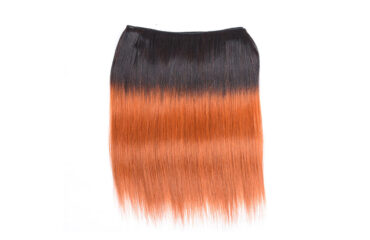
Sombre hair, short for "soft ombré," is a subtle variation of the classic ombré technique. Unlike traditional ombré, which features a stark contrast between the darker roots and lighter ends, sombre hair aims for a softer, more seamless transition. The gradient effect between colors is delicate, making it ideal for those who want a natural and understated look. Sombre hair typically incorporates shades that are closer to your natural hair color, blending darker and lighter tones in a way that feels effortless.
This technique works well on all hair textures and lengths. It’s particularly suitable for people who want a low-maintenance style, as the softer regrowth is less noticeable over time.
2. What is Balayage?
Balayage, on the other hand, is a freehand hair painting technique that originated in France. The term "balayage" means "to sweep" or "to paint," and the method involves applying color directly onto the hair in sweeping motions. This technique creates a sun-kissed, multidimensional effect that looks very natural, as if your hair was lightened by the sun.
Unlike sombre hair, balayage does not focus on a gradient from roots to ends. Instead, the highlights are distributed strategically throughout the hair to add depth and dimension. Balayage is highly customizable, making it a popular choice for those seeking a bespoke hair coloring experience.
3. Key Differences Between Sombre Hair and Balayage
To better understand how sombre hair and balayage differ, here’s a side-by-side comparison:
| Feature | Sombre Hair | Balayage |
|---|---|---|
| Technique | Gradual gradient from roots to ends | Freehand painting of highlights |
| Finish | Soft and subtle transition | Sun-kissed, multidimensional effect |
| Customization | Focus is on blending natural shades | Fully customizable placement of color |
| Maintenance | Very low-maintenance | Moderate; touch-ups may be needed |
| Best For | Subtle and natural look | Bold yet natural-looking highlights |
| Hair Length | Works well on all lengths | Best for medium to long hair |
4. Styling Versatility
Both sombre hair and balayage are incredibly versatile, but they suit different styling preferences. Sombre hair is perfect for those who prefer a more polished and uniform look. The gradual gradient creates a cohesive appearance, whether you wear your hair straight, wavy, or curled.
Balayage, on the other hand, shines when styled with waves or curls. The placement of highlights enhances texture and movement, making it ideal for a relaxed, beachy look. Straight hairstyles also work well with balayage, but they may require extra effort to showcase the full effect of the highlights.
5. Maintenance and Upkeep
One of the main reasons both sombre hair and balayage are popular is their relatively low maintenance compared to traditional hair coloring techniques. However, there are slight differences in how often you’ll need to touch up these styles.
Sombre hair is exceptionally low-maintenance because the transition between colors is so subtle. As your roots grow out, they blend naturally with the rest of your hair, minimizing the need for frequent salon visits.
Balayage, while still low-maintenance, may require more upkeep depending on the placement and contrast of the highlights. If you opt for a high-contrast balayage, you might need occasional touch-ups to maintain the look. Products like SISHAIR’s color-safe shampoos and conditioners can help prolong the vibrancy of your balayage or sombre hair.
6. Suitability for Different Hair Types and Colors
Both sombre hair and balayage are adaptable to various hair types and colors, but certain combinations work better for each technique.
-
Sombre Hair: Ideal for brunettes and darker hair tones, as the subtle transition complements the natural depth of darker shades. It can also work for blondes if the gradient is kept soft and close to the base color.
-
Balayage: Works beautifully on all hair colors, from platinum blondes to deep brunettes. It’s also a great option for textured or curly hair, as the freehand technique can be tailored to enhance specific areas of the hair.
7. Choosing the Right Technique for You
When deciding between sombre hair and balayage, consider your lifestyle, hair goals, and personal preferences. If you’re looking for a low-maintenance, natural look with minimal contrast, sombre hair is the way to go. On the other hand, if you want to add dimension and brightness to your hair with a more personalized approach, balayage is an excellent choice.
A consultation with a skilled stylist can also help you determine which technique will best suit your hair type, face shape, and overall style. Brands like SISHAIR offer high-quality extensions and color products that can complement either technique, allowing you to explore new looks without committing to permanent changes.
Conclusion
Sombre hair and balayage are two stunning hair coloring techniques that cater to different aesthetic preferences and lifestyles. Sombre hair offers a soft, blended gradient for a natural and understated look, while balayage provides sun-kissed highlights that add depth and dimension. Both styles are relatively low-maintenance and highly versatile, making them popular choices among hair enthusiasts.
Ultimately, the decision between sombre hair and balayage comes down to your personal style and the level of customization you desire. Whether you opt for the subtle elegance of sombre hair or the radiant charm of balayage, both techniques can elevate your look while keeping your hair looking effortlessly beautiful.