What Are Hair Extensions Made Of

Hair extensions have gained immense popularity as a versatile solution for those seeking to add length, volume, or even a touch of color to their hair. They can completely transform a person’s appearance in a matter of hours. But have you ever wondered what exactly hair extensions are made of? Understanding the materials used is essential to making informed decisions about the type of extensions that best suit your needs, preferences, and lifestyle.
1. Human Hair Extensions
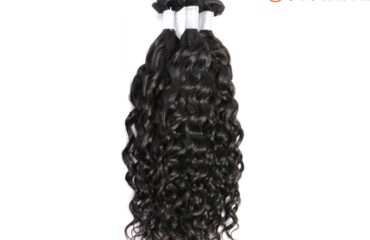
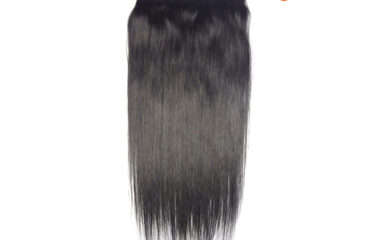
The most sought-after type of hair extensions is made from 100% human hair. These extensions are highly valued for their natural appearance, longevity, and versatility. Human hair extensions can be washed, styled, dyed, and heated just like natural hair, making them the premium choice for most users.
Types of Human Hair
Human hair used in extensions often comes from different regions, each offering unique characteristics:
| Type | Origin | Characteristics |
|---|---|---|
| Remy Hair | Primarily India and Southeast Asia | Cuticles intact and aligned in the same direction, preventing tangling and ensuring smoothness. |
| Virgin Hair | Various regions | Unprocessed and chemical-free, offering the most natural and durable quality. |
| Non-Remy Hair | Mixed sources | Cuticles are not aligned, often resulting in tangling but can be cheaper and widely available. |
Brands like SISHAIR offer high-quality human hair extensions, ensuring the cuticle alignment and hair integrity are maintained for a natural look and superior performance.
2. Synthetic Hair Extensions
Synthetic hair extensions are made from man-made fibers, such as acrylic, polyester, or nylon. These fibers are designed to mimic the appearance of human hair, though they generally lack the natural shine and movement that human hair extensions offer.
Features of Synthetic Hair
- Affordability: Synthetic extensions are typically more budget-friendly than human hair options.
- Low Maintenance: These extensions hold their style well, even in adverse weather conditions.
- Styling Limitations: Synthetic hair cannot be heat-styled, dyed, or washed as frequently as human hair. Using heat styling tools can cause the fibers to melt or become damaged.
While synthetic hair may not offer the same versatility as human hair, it can be a practical choice for individuals looking for a temporary and cost-effective solution.
3. Animal Hair Extensions
Another, less common type of hair extension is made from animal hair. Goat, yak, or horse hairs are sometimes used in extensions, especially for theatrical or costume purposes. These types of extensions are not widely used in everyday fashion and are often employed in specialized applications.
Why Choose Animal Hair?
Animal hair extensions are typically used when a coarser texture or unique aesthetic is required. However, they are rarely seen in mainstream use as they do not provide the same natural appearance or feel as human or synthetic hair.
4. Blended Hair Extensions
Blended hair extensions combine human hair with synthetic fibers to offer a middle ground between quality and affordability. These extensions are designed to give the natural look of human hair while incorporating the durability and cost-effectiveness of synthetic materials.
Advantages of Blended Extensions
- Cost-Effective: Blended hair extensions are generally more affordable than 100% human hair extensions.
- Durability: The inclusion of synthetic fibers can increase the lifespan of the extensions.
- Appearance: When done well, blended extensions can resemble human hair closely, though they may not offer the same level of versatility.
SISHAIR’s blended extensions are an example of how premium brands can create high-quality products that balance cost and natural appearance.
5. Keratin-Based Bonds and Adhesives
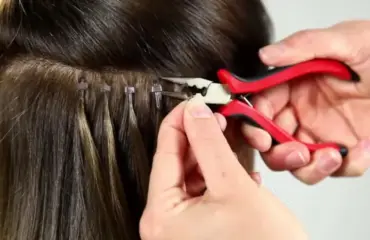
While not technically the "hair" itself, the material used to bond or attach hair extensions to natural hair is also a crucial part of their composition. The most common bonding material is keratin, a protein that naturally occurs in human hair.
Benefits of Keratin Bonds
- Safe and Gentle: Keratin bonds are safe for use on natural hair and do not cause significant damage when applied or removed properly.
- Strong Hold: Extensions bonded with keratin offer a secure attachment that can last several months with proper care.
Alternatively, some extensions use adhesives or tapes made from medical-grade materials that are gentle on the scalp and hair.
6. Eco-Friendly and Natural Alternatives
As sustainability becomes increasingly important, eco-conscious consumers are looking for hair extensions made from natural and biodegradable materials. Some companies are experimenting with plant-based fibers to create extensions that are environmentally friendly and cruelty-free.
Emerging Trends
Plant-based hair extensions are not yet mainstream but may become a viable alternative in the coming years. These products aim to reduce the reliance on synthetic materials and animal-derived products, appealing to ethically minded consumers.
Conclusion
Hair extensions are made from a variety of materials, each offering unique benefits and drawbacks. From luxurious human hair to budget-friendly synthetic options, and even specialized animal hair or eco-friendly alternatives, there is a wide array of choices to suit individual preferences and needs. For those prioritizing quality and natural appearance, brands like SISHAIR provide premium human hair extensions that cater to diverse styling requirements. Whether you’re looking for a dramatic transformation or a subtle enhancement, understanding what hair extensions are made of will help you select the perfect product for your desired look.