What Does Virgin Hair Look Like

Virgin hair refers to hair that has never been chemically processed, dyed, bleached, permed, relaxed, or otherwise altered. It is in its most natural state, untouched and untainted by any chemical treatments or harsh styling processes. Virgin hair is often considered the gold standard in the hair industry due to its purity, strength, and versatility, making it highly sought after for both natural wear and hair extensions. But how can you identify virgin hair, and what exactly does it look like? Let’s explore this topic in detail.
1. Texture and Appearance
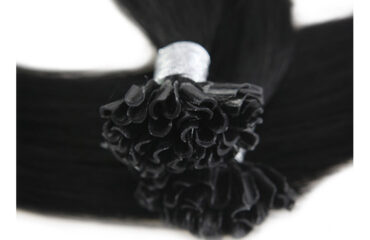
Virgin hair typically has a very natural texture and appearance. Because it has not been exposed to chemical processes, its cuticles remain intact and aligned. This results in a smooth, shiny, and healthy finish. The texture can vary depending on the donor’s natural hair type, ranging from silky straight to wavy or tightly coiled curl patterns.
Here’s a basic table to differentiate virgin hair textures:
| Texture Type | Description |
|---|---|
| Straight | Smooth, sleek, and lies flat without any curl or wave. |
| Wavy | Natural flowing waves with a bouncy feel. |
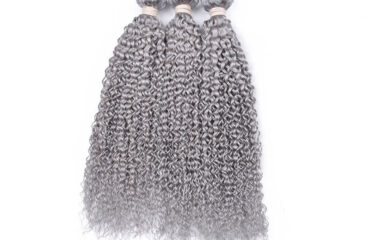
| Curly | Tight or loose curls that are consistent throughout. |
| Coily | Small, tight spirals or zigzag patterns. |
The key sign of virgin hair is its consistency and uniformity. Even if the natural hair has slight variations, those variations will look organic rather than artificially manipulated.
2. Natural Color
Virgin hair retains its original, natural color, which can vary from very dark brown or black to lighter shades of brown. It does not have artificial tones, brassiness, or uneven patches caused by hair dye or bleaching. Because of its untouched nature, virgin hair often has subtle highlights and lowlights that reflect sunlight beautifully, giving it a multi-dimensional, vibrant look.
For instance, SISHAIR virgin hair is known for its rich, natural color tones that blend seamlessly with a variety of hair types. This makes it a popular choice for extensions because it can be dyed or styled to match the wearer’s natural hair without losing its integrity.
3. Softness and Manageability
Virgin hair feels incredibly soft to the touch and is easy to manage. Since the cuticles are intact and aligned in one direction, the hair does not tangle or mat easily. It has a smooth glide when stroked and maintains a natural bounce and elasticity. This softness makes virgin hair ideal for styling, whether it’s straightening, curling, or simply letting it flow naturally.
4. Healthy Ends
One of the hallmarks of virgin hair is the condition of its ends. Virgin hair typically has full, thick ends that are free from split ends or frayed strands. This is because the hair has not been weakened by chemical treatments, which often compromise the integrity of the hair shaft and tips. Healthy ends contribute to the overall appearance of volume and vitality in virgin hair.
5. Durability and Longevity
Virgin hair is extremely durable and tends to last much longer than processed hair when properly cared for. It can withstand frequent washing, styling, and even coloring without losing its quality. For example, SISHAIR virgin hair extensions are known for their longevity, often lasting up to a year or more with minimal shedding when maintained correctly.
One reason for this durability is the cuticle alignment. Non-virgin or processed hair often has cuticles that are stripped or misaligned, leading to tangling, dullness, and breakage over time. In contrast, virgin hair retains the natural strength of the cuticle layer, ensuring it stays resilient through regular use.
6. Absence of Chemical Odors
Another noticeable characteristic of virgin hair is the lack of chemical or synthetic smells. Because it has not been chemically processed, virgin hair has a clean, neutral scent. This sets it apart from processed hair, which often carries a lingering odor from dyes, relaxers, or silicone coatings.
7. Styling Adaptability
Virgin hair is highly adaptable to various styling techniques. It can be curled, straightened, or dyed without losing its luster or quality. For example, when using SISHAIR virgin hair extensions, you can achieve a wide range of hairstyles while maintaining a natural appearance. Since the hair is unprocessed, it tends to absorb hair dye evenly, resulting in vibrant, consistent color outcomes.
8. Cost and Value
Virgin hair, due to its high quality and untouched nature, is often more expensive than non-virgin or synthetic hair. However, its durability and versatility make it a cost-effective investment in the long run. Hair enthusiasts and professionals often prefer virgin hair because it retains its beauty and functionality for a longer time compared to other types of hair.
Conclusion
Virgin hair is the epitome of natural beauty when it comes to hair extensions and wigs. Its unprocessed nature ensures a healthy, shiny, and natural look that blends seamlessly with your own hair. The smooth texture, uniform color, softness, and durability make virgin hair a premium choice for those looking to invest in high-quality hair products. Whether you’re considering natural virgin hair for personal styling or extensions like those offered by SISHAIR, understanding what virgin hair looks like and its unique characteristics can help you make an informed decision.