What Hair Extensions Can You Dye

Hair extensions are a popular way to instantly transform your look by adding length, volume, or a pop of color to your natural hair. However, many people wonder whether they can dye their hair extensions to match their desired shade or achieve a unique color. The answer largely depends on the type of hair extensions you own. In this article, we’ll explore what types of hair extensions can be dyed, their limitations, and tips on achieving the best results.
1. Can You Dye All Hair Extensions?
The ability to dye hair extensions depends on whether they are made from natural human hair or synthetic fibers. Let’s break this down:
| Type of Hair Extensions | Can Be Dyed? | Notes |
|---|---|---|
| Human Hair Extensions | Yes | Can be dyed, bleached, and toned, but should be done carefully. |
| Synthetic Hair Extensions | No | Not suitable for dyeing as they are made from plastic fibers. |
Human hair extensions are the best option if you plan to customize your hair with dye. On the other hand, synthetic hair extensions, which are made of materials like nylon or acrylic, cannot withstand hair dyes or bleach and may be permanently damaged if you attempt to color them.
2. What Types of Human Hair Extensions Can Be Dyed?
Not all human hair extensions are created equal when it comes to dyeing. The quality, type, and treatment of the hair determine whether it can be successfully dyed. Below are the major categories:
| Type of Human Hair Extensions | Dye Compatibility | Notes |
|---|---|---|
| Virgin Hair | Excellent | Untreated, natural hair is the easiest to dye and has the best results. |
| Remy Hair | Good | Cuticle-aligned and minimally processed hair can be dyed with care. |
| Non-Remy Hair | Poor | Lower-quality hair may not take dye evenly due to prior treatments. |
| Colored or Pre-treated Hair | Limited | Already dyed or chemically treated hair may not react well to dye. |
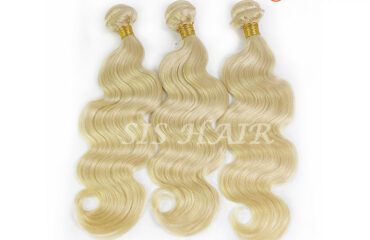
Virgin hair, such as SISHAIR Virgin Hair Extensions, is the ideal choice for dyeing because it has not undergone any chemical treatments, allowing for more vibrant and consistent coloring. Remy hair, which maintains the natural alignment of the cuticle, is also a good option, but results may vary depending on the quality of the hair.
3. Why Can’t You Dye Synthetic Hair Extensions?
Synthetic hair extensions are made from man-made fibers that do not have the same properties as real human hair. These fibers, such as polyester or acrylic, do not absorb hair dye. Attempting to dye synthetic hair can result in melting, tangling, or other forms of damage.
If you want to change the color of synthetic extensions, you can use specialized products like fabric dyes designed for synthetic materials, but even this approach has limitations and may not yield vibrant or long-lasting results. For this reason, it’s recommended to purchase synthetic extensions in the desired color rather than trying to dye them.
4. What to Consider Before Dyeing Hair Extensions
Before you dye your hair extensions, there are important factors to take into account to ensure success and protect the integrity of the hair. Here are some key considerations:
| Factor | Importance |
|---|---|
| Hair Quality | Use high-quality human hair extensions like SISHAIR Virgin Hair for the best dye results. |
| Color Choice | Opt for darker or similar shades; lightening extensions with bleach can be risky. |
| Products Used | Use professional-grade dye and avoid harsh chemicals that can damage the hair. |
| Test Strand | Perform a strand test on a small section to check how the hair reacts to the dye. |
| Care After Dyeing | Deep condition the extensions to restore moisture and prevent dryness or breakage. |
By preparing properly and choosing the right products, you can achieve a gorgeous, customized look that blends seamlessly with your natural hair.
5. How to Dye Human Hair Extensions
Dyeing human hair extensions requires careful handling to ensure the color applies evenly without damaging the hair. Below is a step-by-step guide:
- Gather Supplies: You’ll need hair dye, a mixing bowl, gloves, a hairbrush, aluminum foil, and a wide-tooth comb.
- Wash Extensions: Clean the extensions with a sulfate-free shampoo to remove any residue.
- Prepare Dye: Mix the hair dye as instructed on the packaging.
- Apply Dye Evenly: Use a brush to apply the dye evenly across the extensions, ensuring full coverage.
- Process Time: Allow the dye to process for the recommended time, keeping a close eye on the color development.
- Rinse Thoroughly: Rinse the extensions with cool water until the water runs clear.
- Condition: Apply a deep conditioner to restore moisture and softness.
- Air Dry: Lay the extensions flat to air dry, avoiding heat tools.
For best results, consider seeking the help of a professional stylist, especially if you’re trying to achieve a complex color or lighten the extensions.
6. Alternatives to Dyeing Hair Extensions
If dyeing isn’t an option for your extensions, there are alternative ways to achieve your desired look:
| Alternative | Description |
|---|---|
| Purchase Pre-Colored Hair | Choose extensions in the color you want, such as those offered by SISHAIR. |
| Use Temporary Hair Color | Apply temporary or washable color sprays that won’t permanently alter the extensions. |
| Clip-In Color Streaks | Add colored clip-in extensions for highlights or bold effects without dyeing. |
These methods are especially suited for synthetic hair extensions or when you’re looking for a temporary change.
Conclusion
In summary, human hair extensions like SISHAIR Virgin Hair can be dyed, providing versatility and personalization for your hairstyle. Virgin and high-quality Remy hair deliver the best results, while synthetic hair cannot be dyed using traditional methods. Remember to consider the type and condition of your extensions, perform a strand test, and use professional products for optimal outcomes. By following these guidelines, you can enjoy beautifully colored hair extensions that enhance your overall look.