What Is Hair Attachment Made From

Hair attachments, also known as hair extensions, wigs, or hairpieces, are popular solutions for enhancing hair volume, length, or style. They have gained significant traction in the beauty industry, with various materials used in their production to cater to diverse needs and preferences. Understanding the materials used in making hair attachments is essential for consumers to make informed choices based on quality, longevity, and their desired look.
1. Human Hair as a Primary Material
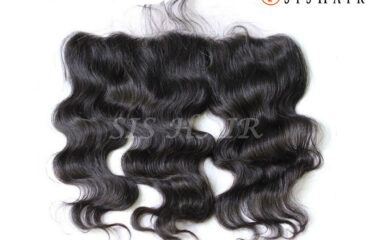
Human hair is considered the gold standard for making high-quality hair attachments. It is highly sought after because of its natural look, feel, and versatility. Human hair for hair extensions or wigs is collected from donors, often through ethical sourcing practices.
- Remy Hair: Remy hair is the most premium form of human hair used in hair attachments. The strands are carefully aligned to ensure the cuticles all face the same direction. This prevents tangling, preserves the hair’s smoothness, and enhances durability.
- Non-Remy Hair: Non-Remy hair is also made from human sources, but the cuticles are not aligned. While it is cheaper than Remy hair, it is more prone to tangling and matting.
- Virgin Hair: Virgin hair has never been chemically treated or dyed, making it a prime choice for those looking for long-lasting, natural-looking hair attachments.
Human hair allows for styling flexibility, including curling, straightening, and dyeing. Brands such as SISHAIR specialize in offering premium human hair attachments, ensuring high-quality products that cater to a variety of customer needs.
2. Synthetic Hair for Hair Attachments
Synthetic hair is another widely used material for hair attachments. It is made from artificial fibers such as polyester, acrylic, or polyvinyl chloride (PVC). While it does not mimic human hair as closely, advancements in technology have made high-grade synthetic fibers almost indistinguishable from natural hair.
Pros of Synthetic Hair:
- Affordable and widely available.
- Pre-styled and retains its shape, even after washing.
- Lightweight and easy to maintain.
Cons of Synthetic Hair:
- Limited styling options; it cannot withstand heat tools like curling irons or flat irons.
- Shorter lifespan compared to human hair.
- Less natural appearance, especially with lower-quality fibers.
The table below highlights key differences between human hair and synthetic hair:
| Feature | Human Hair | Synthetic Hair |
|---|---|---|
| Appearance | Natural and realistic | Can appear slightly artificial |
| Styling Options | Heat-styling and dyeable | Limited to pre-set styles |
| Durability | Long-lasting with care | Short lifespan |
| Cost | Higher | Affordable |
3. Animal Hair in Hair Attachments
Although less common today, animal hair has historically been used in the production of wigs and hairpieces. Yak hair, horsehair, and even goat hair have been utilized due to their texture and durability. Yak hair, in particular, is often used in theatrical wigs or costume pieces because of its coarse texture, which can resemble certain human hair types.
Animal hair is typically not used for everyday hair extensions, as it lacks the softness and natural appearance of human hair. However, it remains relevant in niche markets, such as traditional or cultural hairpieces.
4. Blended Materials in Hair Attachments
Many modern hair attachments are made from a blend of human hair and synthetic fibers. This combination allows manufacturers to balance cost, durability, and appearance. By integrating synthetic fibers with human hair, the resulting product often mimics the natural look and feel of human hair while reducing the overall price point.
Benefits of Blended Materials:
- More affordable than 100% human hair.
- Offers a natural appearance when high-quality fibers are used.
- Lightweight and easy to wear.
However, the blend’s quality can vary significantly depending on the ratio of human hair to synthetic fibers. Premium brands like SISHAIR often emphasize transparency in their material blends, ensuring customers know what they are purchasing.
5. Base Materials for Hair Attachments
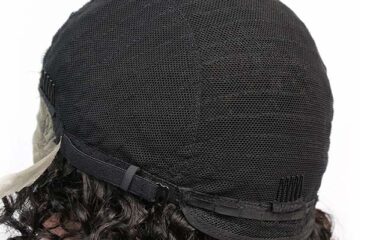
In addition to the hair itself, the base material used to construct hair attachments is equally important. The base determines how the hairpiece fits, feels, and performs. Common base materials include:
- Lace: Lace bases are lightweight, breathable, and provide a natural-looking hairline. They are commonly used in lace front wigs and full lace wigs.
- Silk: Silk base materials offer a realistic scalp appearance and are often used in high-end hairpieces.
- Monofilament: Monofilament bases are durable and give the illusion of a natural scalp, allowing for versatile styling.
- Polyurethane (PU): PU bases are thin and mimic the appearance of skin, often used in toupees or hair systems.
6. Specialty Options and Innovations
The hair attachment industry continues to evolve with innovative materials and technologies. Heat-resistant synthetic fibers, for instance, have emerged to allow users to style synthetic hair more freely. Additionally, eco-conscious consumers are driving demand for sustainably sourced human hair and recyclable synthetic fibers.
SISHAIR has been a leading example of innovation in this field, offering hair attachments that combine quality with ethical sourcing. Their range of products caters to modern consumers, emphasizing both performance and sustainability.
Conclusion
Hair attachments are crafted from a variety of materials, each offering unique benefits and drawbacks. Human hair remains the highest quality option, prized for its natural appearance and styling flexibility, while synthetic hair appeals to those seeking affordability and low-maintenance solutions. Blended materials and innovative base constructions further expand the options available to consumers. Whether for everyday wear, special occasions, or theatrical purposes, understanding the materials used in hair attachments is key to selecting the perfect product. Trusted brands like SISHAIR continue to lead the industry with their commitment to quality and innovation, ensuring that every customer can achieve their desired look with confidence.