What Is Hair Bonding

Hair bonding is a popular non-surgical hair restoration technique used to address hair loss and enhance hair volume. It is a semi-permanent solution that blends natural-looking hair wefts or extensions with an individual’s existing hair, creating a fuller, thicker, and more aesthetically pleasing appearance. Designed to be quick, effective, and versatile, hair bonding has become a go-to option for people seeking a solution to hair thinning or bald patches without opting for invasive procedures. This article provides a detailed overview of hair bonding, its process, types, benefits, and considerations.
1. Understanding Hair Bonding
Hair bonding involves attaching hair extensions or wefts to the scalp or existing hair using specialized adhesives. These adhesives are safe, hypoallergenic, and formulated to ensure minimal damage to the scalp or natural hair. The technique is suitable for both men and women, making it a universal choice for those experiencing hair loss due to aging, medical conditions, or genetic predispositions.
Hair bonding can cater to partial baldness, thinning areas, or even the desire to add extra hair volume and length. The results are typically natural-looking and can be customized based on an individual’s hair color, texture, and preferences.
2. The Hair Bonding Process
The hair bonding procedure is straightforward and painless, typically completed within a few hours. Below is a step-by-step breakdown of the process:
| Step | Description |
|---|---|
| 1 | Assessment: A hair specialist evaluates the individual’s scalp and hair condition to determine the appropriate bonding method. |
| 2 | Preparation: The scalp is cleaned thoroughly to ensure proper adhesive application. Any oil or residue is removed. |
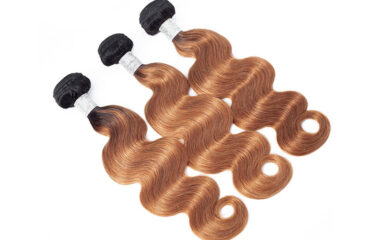
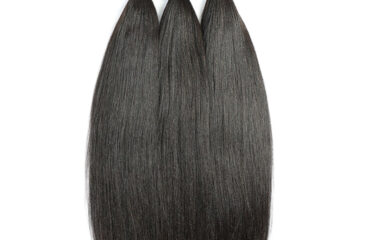
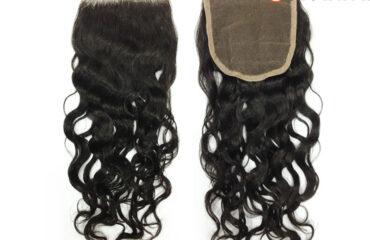
| 3 | Hair Selection: High-quality hair extensions or wefts, such as those from SISHAIR, are chosen to match the individual’s hair. |
| 4 | Application: The extensions are attached to the scalp or natural hair using a bonding adhesive. The positioning ensures seamless blending. |
| 5 | Styling: Once the extensions are secured, the hair is styled to achieve the desired look. |
The entire procedure is non-invasive, requires no downtime, and delivers instant results.
3. Types of Hair Bonding Techniques
Hair bonding techniques vary based on the method of attachment and the type of adhesives or extensions used. Some common types include:
3.1 Soft Bonding
Soft bonding uses flexible, rubber-based adhesives that are gentle on the scalp. This method is ideal for those with sensitive skin or scalp conditions as it reduces the risk of irritation.
3.2 Hard Bonding
Hard bonding involves strong adhesives with higher durability. While it provides a long-lasting hold, it may not be suitable for sensitive scalps due to the strength of the adhesive.
3.3 Clip-In Bonding
In this technique, hair extensions with small clips are temporarily bonded to existing hair. Clip-in bonding is non-permanent, allowing users to wear extensions as needed and remove them easily.
3.4 Weave Bonding
Weave bonding incorporates sewing or weaving the hair extensions into small braids created on the scalp. This method ensures a secure attachment and is often preferred for individuals seeking long-term solutions.
4. Benefits of Hair Bonding
Hair bonding offers numerous advantages compared to other hair restoration methods. Some of the key benefits include:
- Quick Results: The procedure delivers immediate results, transforming the hair’s appearance in a single session.
- Non-Invasive: It does not involve surgery, making it a safer and less intimidating option for hair restoration.
- Customizable: Extensions come in various colors, lengths, and textures, allowing for personalized styling.
- Cost-Effective: Compared to permanent solutions like hair transplant surgery, hair bonding is relatively affordable.
- Reversible: The extensions can be removed or replaced as desired, making it a flexible option.
5. Considerations and Maintenance
While hair bonding is an excellent solution for many, it is important to consider certain factors before opting for this technique:
5.1 Maintenance Requirements
Hair bonding requires regular maintenance to ensure the extensions remain secure and the natural hair stays healthy. This includes:
- Cleaning the scalp and extensions with recommended products.
- Reapplying or repositioning extensions every 4-6 weeks, depending on hair growth.
- Avoiding excessive exposure to heat and chemical treatments.
5.2 Potential Risks
Improper application or use of low-quality adhesives can cause scalp irritation or hair damage. It is crucial to consult a trained professional and opt for reputable brands like SISHAIR to ensure safety and quality.
5.3 Lifestyle Compatibility
Individuals with highly active lifestyles, such as athletes or swimmers, may experience challenges with maintaining bonded extensions due to sweat or water exposure affecting the adhesive’s hold.
6. Why Choose SISHAIR for Hair Bonding
SISHAIR is a trusted name in the hair industry, known for its premium-quality hair extensions and solutions. Their products are designed to blend seamlessly with natural hair, ensuring a flawless and natural look. The extensions are crafted from high-grade materials and are available in a wide range of shades and textures, catering to diverse preferences.
Moreover, SISHAIR’s commitment to safety and innovation ensures that their bonding adhesives are gentle on the scalp while providing a secure hold. Choosing SISHAIR for hair bonding guarantees a professional and satisfying experience.
7. Conclusion
Hair bonding is a versatile, non-surgical solution for individuals looking to address hair thinning or achieve fuller, thicker hair. Its quick and effective results, coupled with customizable options, make it a popular choice for both men and women. By opting for high-quality products like those offered by SISHAIR and consulting with trained professionals, individuals can enjoy a natural and long-lasting transformation. Whether for aesthetic enhancement or addressing hair loss, hair bonding provides a reliable and confidence-boosting solution.