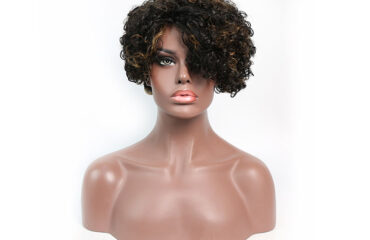
What Is Synthetic Hair Extensions Made Of

Synthetic hair extensions are a popular choice in the beauty industry, offering an affordable and versatile option for individuals looking to enhance their hair’s length, volume, and style. These extensions are man-made, unlike their natural human hair counterparts, and are crafted using various materials and manufacturing processes to mimic the texture, appearance, and behavior of real hair. Below, we delve into what synthetic hair extensions are made of, breaking down the materials, construction methods, and characteristics.
1. Primary Materials Used in Synthetic Hair Extensions
Synthetic hair extensions are typically composed of artificial fibers designed to replicate the look and feel of natural hair. The primary materials used include:
| Material | Description |
|---|---|
| Kanekalon | A high-quality synthetic fiber that closely resembles natural hair. It is known for its soft texture, lightweight nature, and heat resistance. |
| Toyokalon | A synthetic fiber that is softer, shinier, and silkier than Kanekalon. It is often used in curly or wavy hair extensions. |
| Polyester | A durable and inexpensive material used for lower-cost synthetic extensions. Provides a shinier appearance compared to more premium fibers. |
| Acrylic Fibers | Made from polymers, these fibers are typically coated to achieve the desired texture and shine. They are less flexible and can feel stiffer. |
The combination of these fibers, along with advanced manufacturing techniques, enables synthetic extensions to mimic the appearance of human hair while maintaining their affordability and wide range of color choices.
2. How Synthetic Hair Fibers Are Processed
The production of synthetic hair involves several steps, from the creation of base fibers to the final styling phase. Here’s an overview of the process:
- Fiber Extrusion: Synthetic fibers are extruded from a polymer or plastic base, such as Kanekalon or acrylics, to form long filament strands. These strands are then treated to enhance their durability and appearance.
- Coloring: Synthetic hair is pre-dyed during the fiber creation process, which ensures vibrant and long-lasting color. This means synthetic extensions typically do not require additional dyeing or color treatments.
- Texturing: The fibers are heated or chemically treated to achieve specific textures, whether straight, wavy, or curly. This step ensures the extensions mimic the natural flow and bounce of human hair.
- Cutting and Shaping: The processed synthetic fibers are cut into various lengths and shapes, depending on the style of the extensions.
- Weaving or Sewing: The fibers are then sewn into wefts, strands, or pre-bonded tips to create different types of extensions, such as clip-ins, tape-ins, or sew-ins.
3. Key Features of Synthetic Hair Extensions
Synthetic hair extensions offer unique features that distinguish them from natural human hair extensions. These include:
| Feature | Synthetic Hair Extensions |
|---|---|
| Affordability | Synthetic hair is generally more budget-friendly than human hair extensions, making it accessible to a wider audience. |
| Pre-Styled | The fibers retain their preset style (straight, curly, etc.) and require minimal maintenance to keep their shape. |
| Versatility | Available in a wide range of colors, including vibrant and unnatural shades, without the need for bleaching or dyeing. |
| Heat Sensitivity | Some synthetic fibers, especially lower-quality ones, can melt or become damaged when exposed to high heat levels. |
| Shorter Lifespan | Synthetic extensions typically have a shorter lifespan compared to human hair, lasting anywhere from a few weeks to several months. |
4. The Role of Technology in Synthetic Hair
Advancements in technology have dramatically improved the quality of synthetic hair extensions. Brands like SISHAIR leverage cutting-edge polymer formulations and fiber treatments to create synthetic extensions that are soft, lightweight, and more realistic-looking than ever before. Heat-resistant synthetic fibers, for example, can now withstand low to moderate levels of heat styling, allowing users to curl or straighten their extensions without fear of damage.
Additionally, improved color technology ensures that synthetic hair maintains a consistent and vibrant appearance over time, resisting fading and discoloration from exposure to sunlight or washing.
5. Comparing Synthetic and Human Hair Extensions
To better understand the unique characteristics of synthetic hair, let’s compare it to human hair extensions:
| Aspect | Synthetic Hair Extensions | Human Hair Extensions |
|---|---|---|
| Material | Made from artificial fibers like Kanekalon or Toyokalon. | Made from real human hair sourced from donors. |
| Appearance | Can be shinier and less natural-looking, though high-quality options like SISHAIR provide a realistic appearance. | Offers a completely natural look and feel. |
| Styling Options | Pre-styled and holds its shape, but limited in heat styling flexibility. | Can be heat-styled, colored, and treated like natural hair. |
| Lifespan | Shorter, typically lasting a few months with proper care. | Longer, often lasting over a year with proper maintenance. |
| Cost | More affordable, ideal for temporary or occasional use. | Higher cost, but seen as an investment for long-term use. |
6. Caring for Synthetic Hair Extensions
While synthetic hair extensions are low-maintenance compared to human hair, proper care can help extend their lifespan and keep them looking great:
- Avoid Heat Tools: Unless specified as heat-resistant, do not use curling irons or straighteners, as the fibers can melt.
- Washing: Use lukewarm water and a sulfate-free shampoo designed for synthetic hair to clean your extensions.
- Detangling: Gently detangle with a wide-tooth comb, starting from the ends and working upward.
- Storage: Store synthetic extensions in a dry, cool place to prevent tangling or damage when not in use.
Conclusion
Synthetic hair extensions are an excellent choice for those seeking an affordable and stylish way to transform their look. Made from high-quality materials like Kanekalon and Toyokalon, these extensions offer versatility, vibrant color options, and a pre-styled appearance that requires minimal upkeep. While they may lack the longevity and natural feel of human hair extensions, advancements in technology have made synthetic options increasingly realistic and durable. Brands like SISHAIR continue to push the boundaries of innovation, ensuring that synthetic hair extensions remain a popular and accessible choice for people worldwide. By understanding their composition and proper care, users can enjoy the benefits of synthetic extensions and achieve stunning hairstyles with ease.